
20 Wildflower Garden Ideas That Feel Effortlessly Natural
There’s something magical about a wildflower garden. It doesn’t follow rigid rules or demand perfection—it grows soft and beautiful, like nature intended. Whether you’ve got a sprawling backyard or a sunny patch by the porch, adding wildflowers can turn any space into a peaceful, pollinator-friendly retreat. These easy, inspiring ideas will help you start a garden that feels natural and totally you.
Table of Contents
1. Meadow-Style Planting
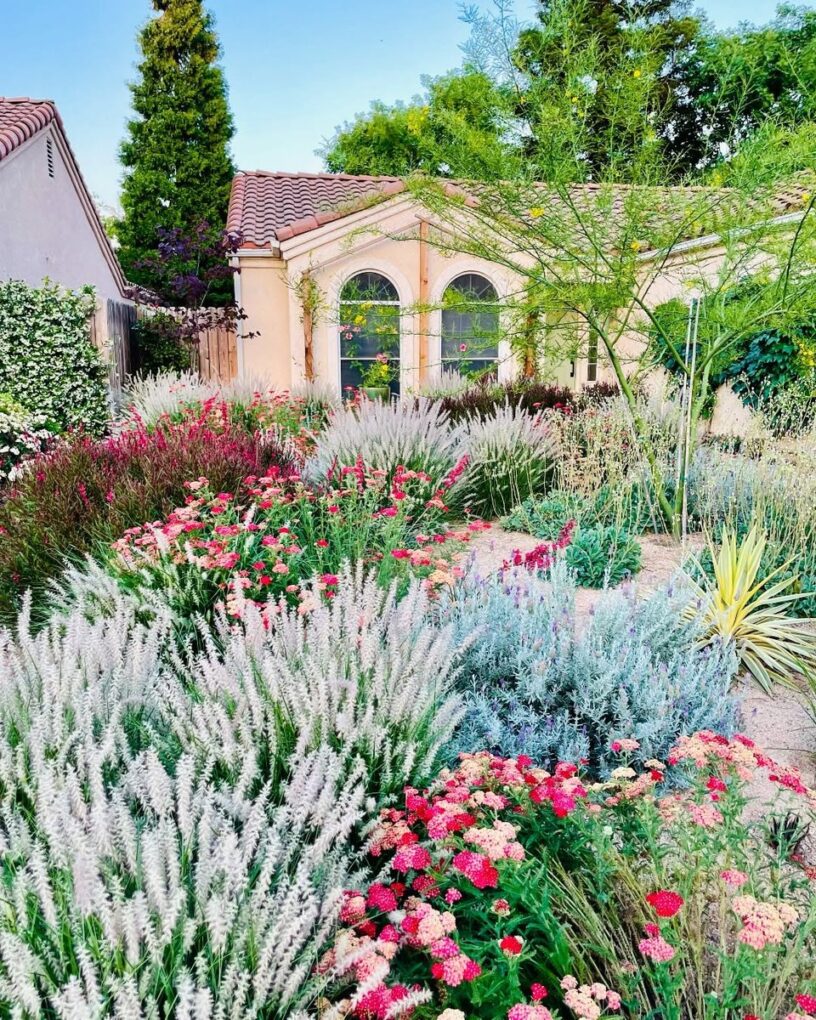
Meadow-style planting is all about embracing nature’s free-flowing rhythm. It layers grasses and wildflowers effortlessly and organically—like a slice of open countryside in your yard. This approach favors biodiversity, supports pollinators, and offers ever-changing beauty with the seasons. It’s less about control and more about letting your garden grow wild with intention.
2. Pollinator Pathway
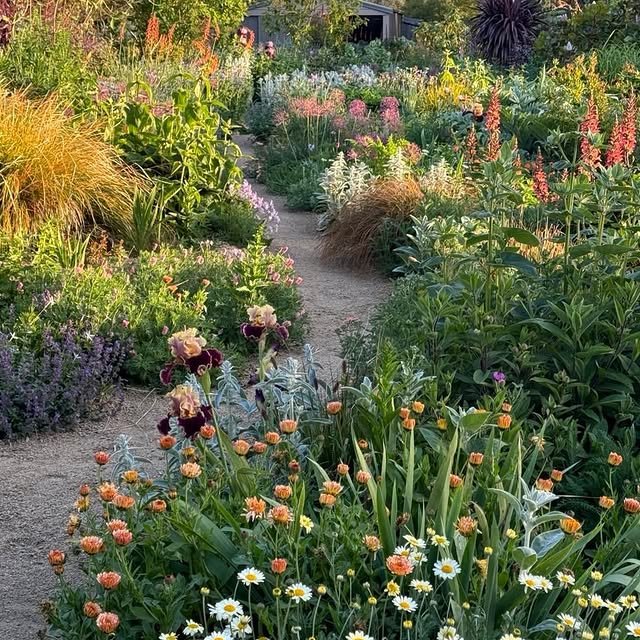
A pollinator pathway is a garden design that creates a continuous, flower-rich route for bees, butterflies, and other pollinators to travel and feed. Planting nectar-heavy wildflowers along paths or borders connects vital habitat spaces in even small yards. The goal is practical and beautiful—supporting local ecosystems while surrounding your walkways with color and movement. It’s a win for nature and for your garden’s curb appeal.
3. Cottage Garden Blend
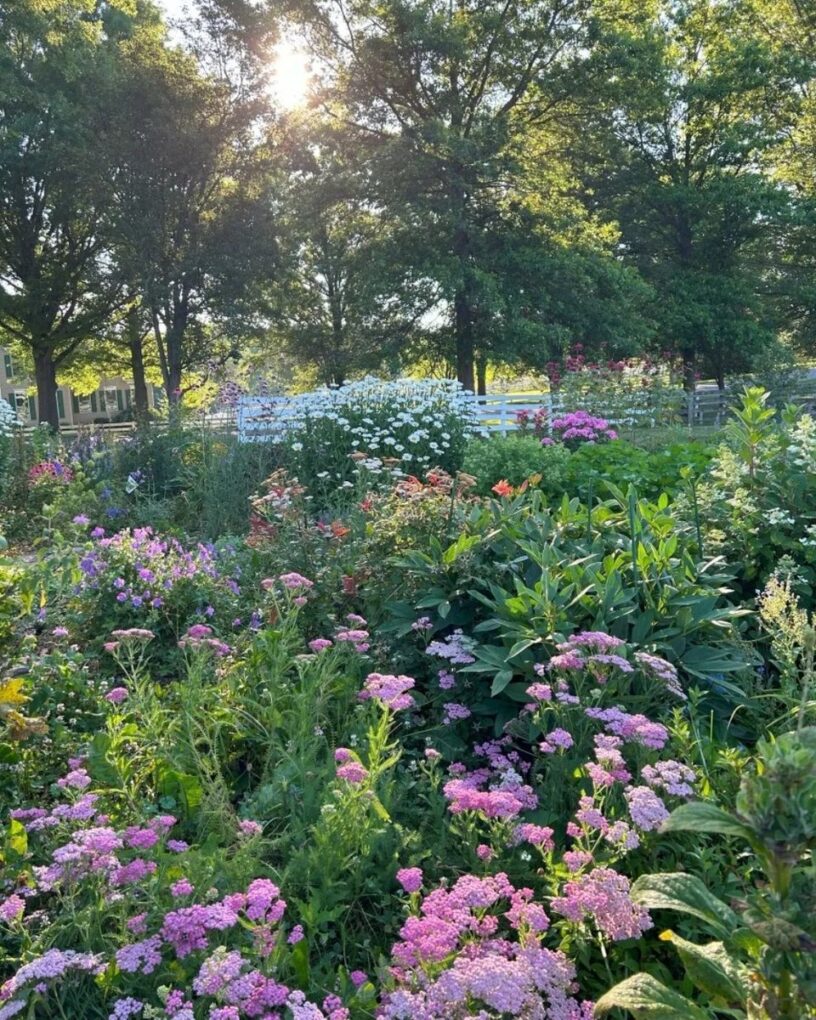
Cottage garden blend combines wildflowers, herbs, and traditional blooms in a loose, romantic mix that feels charming and nostalgic. It’s an intentionally unstructured style, where color, scent, and texture collide in joyful abundance. Think daisies mingling with lavender and roses spilling into the paths—it’s beautiful chaos in the best way. This look thrives on variety and welcomes a little whimsy.
4. Native Plant Focus
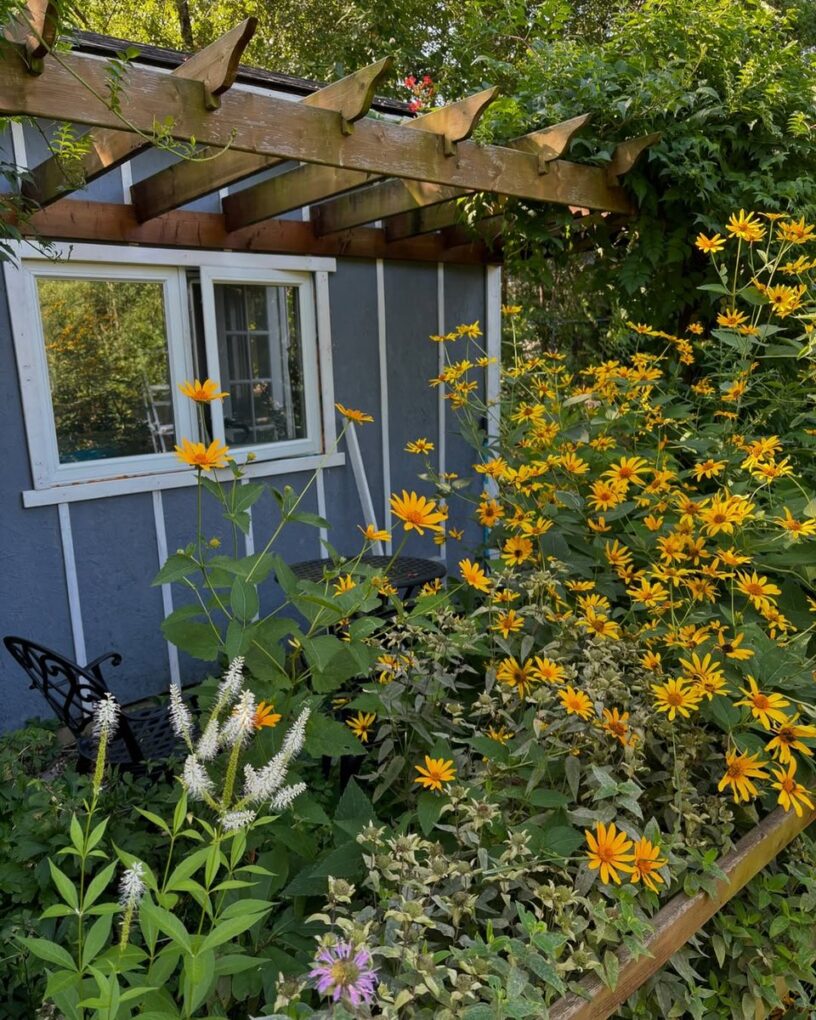
Native plant focus centers on using wildflowers and grasses that naturally grow in your region, creating a garden that feels deeply rooted in place. Because they naturally thrive in local climates and soils, these plants require less maintenance and are more resistant to drought and pests. They also provide essential food and habitat for native birds, bees, and butterflies. It’s a sustainable way to garden that looks and does good, too.
5. Sunset Color Palette
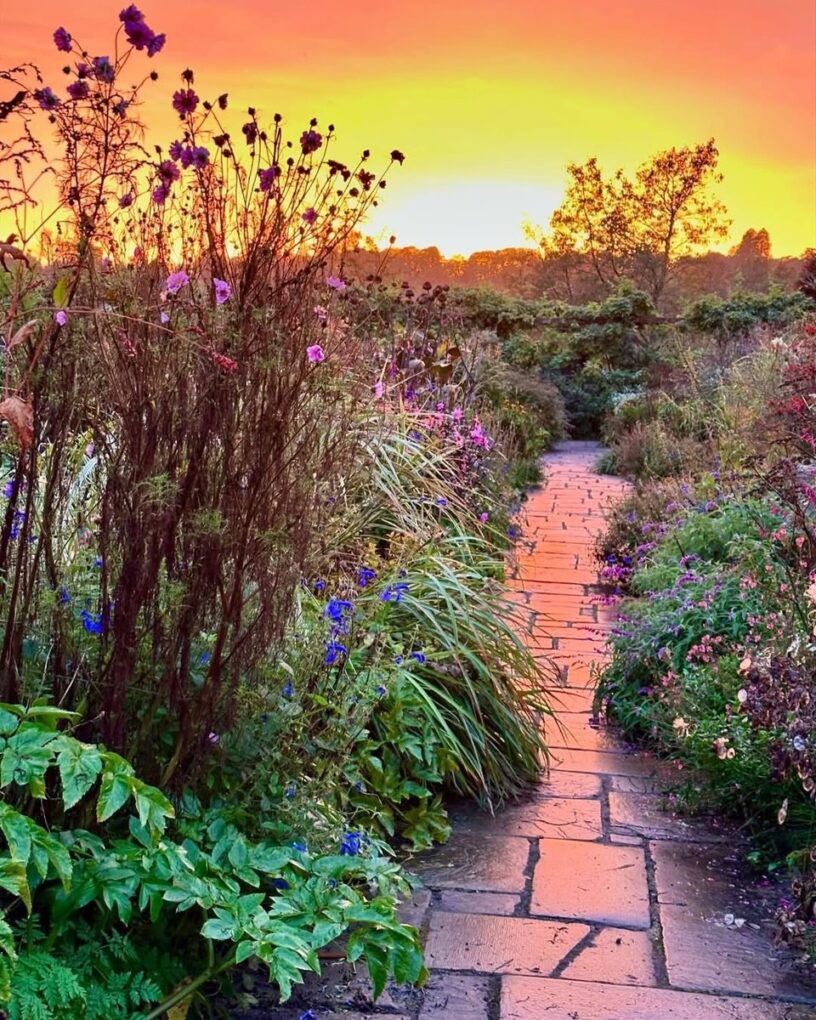
Sunset color palette gardens use warm, radiant hues—like amber, coral, deep pink, and soft gold—to mimic the sky at dusk. These tones create a cozy, glowing effect that feels inviting and dramatic, especially in the late afternoon light. The garden takes on a cohesive, sun-kissed atmosphere by choosing wildflowers in similar shades. It’s a mood-setting strategy that turns every evening stroll into golden hour.
6. Meadow-Style Planting
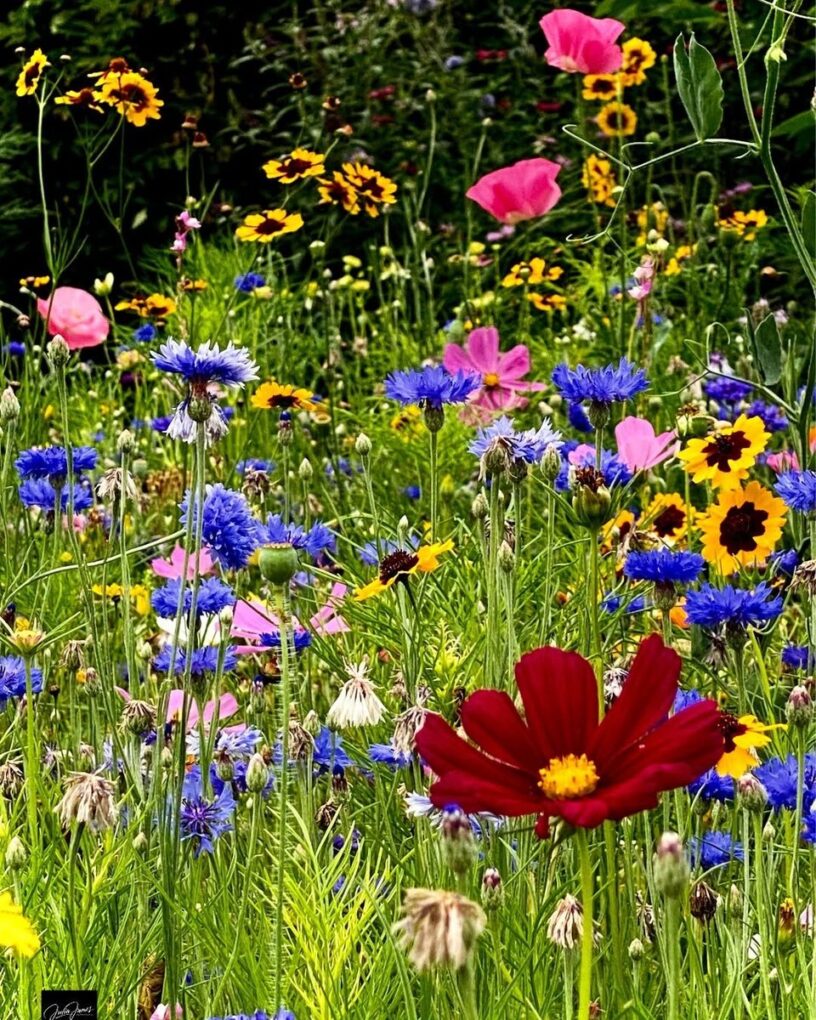
Meadow-style planting captures the beauty of a wild, open field by blending tall grasses with a mix of wildflowers in soft, natural drifts. It embraces an effortless, unmanicured look, offering a relaxed alternative to traditional beds and borders. This style supports pollinators, shifts with the seasons, and thrives with minimal maintenance. It’s perfect for gardeners who want a space that feels alive, spontaneous, and connected to nature.
7. Raised Bed Wildflowers
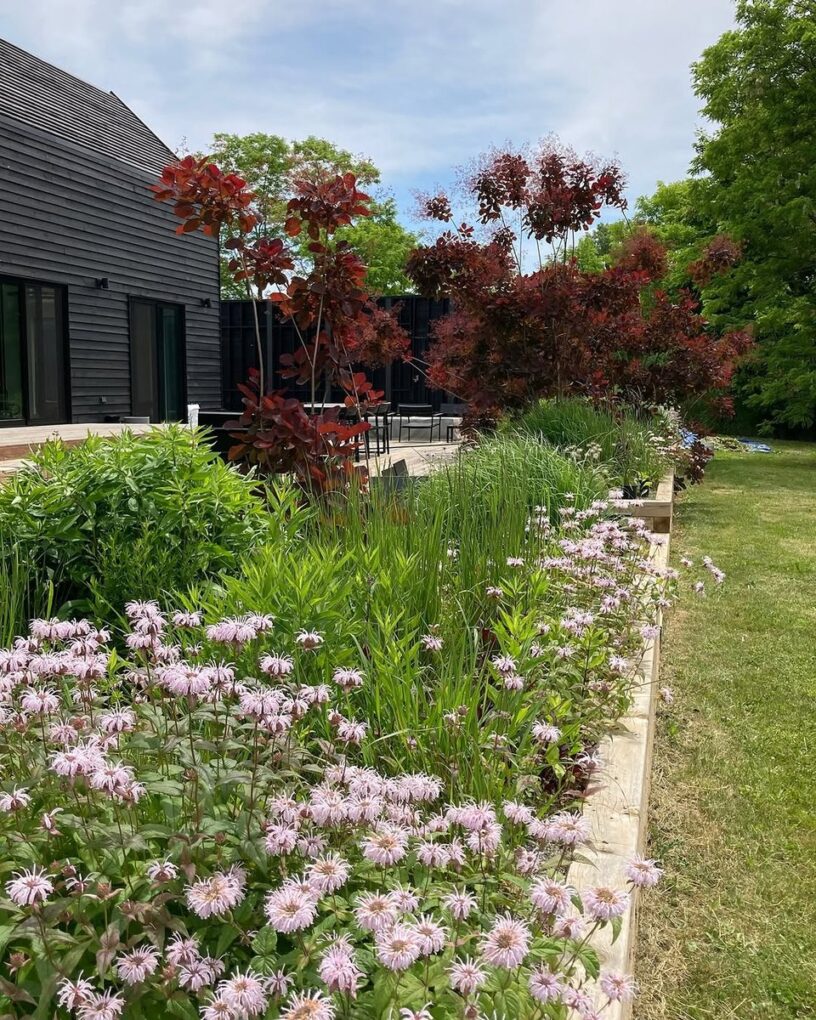
Raised bed wildflowers bring structure to the untamed charm of a wildflower mix. By containing blooms in framed beds—wooden, metal, or stone—you get all the color and movement of a meadow with a more polished, manageable layout. This style is ideal for small spaces, poor soil, or gardeners who want easier access and defined borders. It blends the best of natural beauty and garden order.
8. Bee Haven
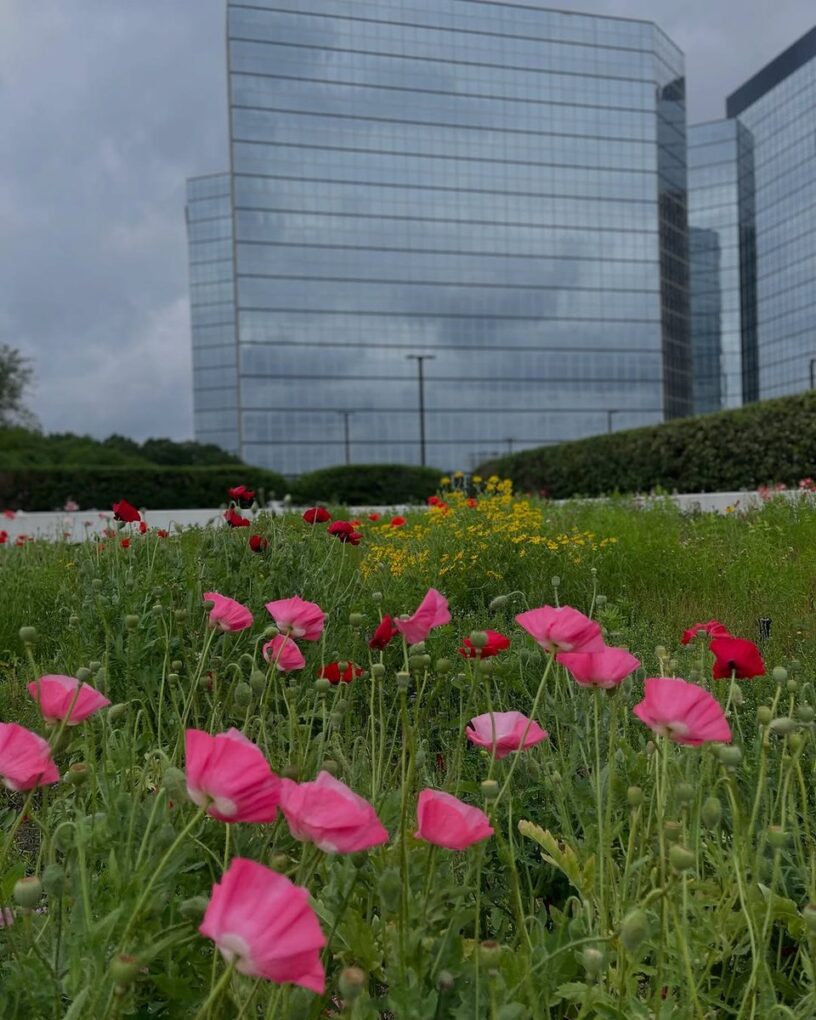
A bee haven is a garden space designed to attract and support bees with abundant nectar- and pollen-rich wildflowers. Think clusters of lavender, coneflower, bee balm, and other blooms that keep buzzing visitors happy from spring through fall. Avoiding pesticides and planting in dense, sunny groupings helps create a true sanctuary. It’s a vibrant, purposeful way to bring your garden to life literally.
9. Water-Wise Blooms
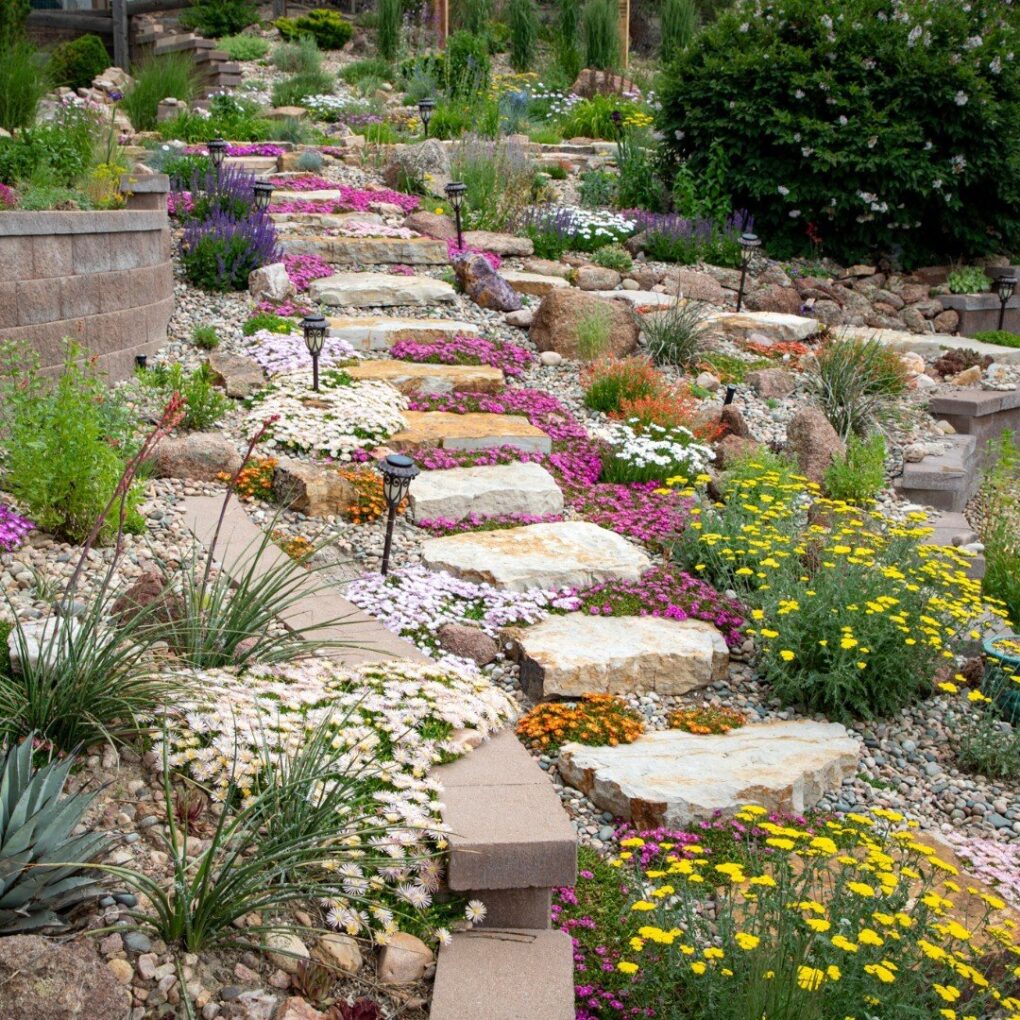
Water-wise blooms are drought-tolerant wildflowers that thrive with minimal irrigation, ideal for hot, dry climates or low-maintenance gardening. Plants like yarrow, blanketflower, and California poppies add vibrant color without demanding constant watering. These resilient varieties often grow in lean soil and full sun, offering beauty with sustainability. It’s a wise choice that conserves resources while keeping your garden full of life.
10. Border Planting
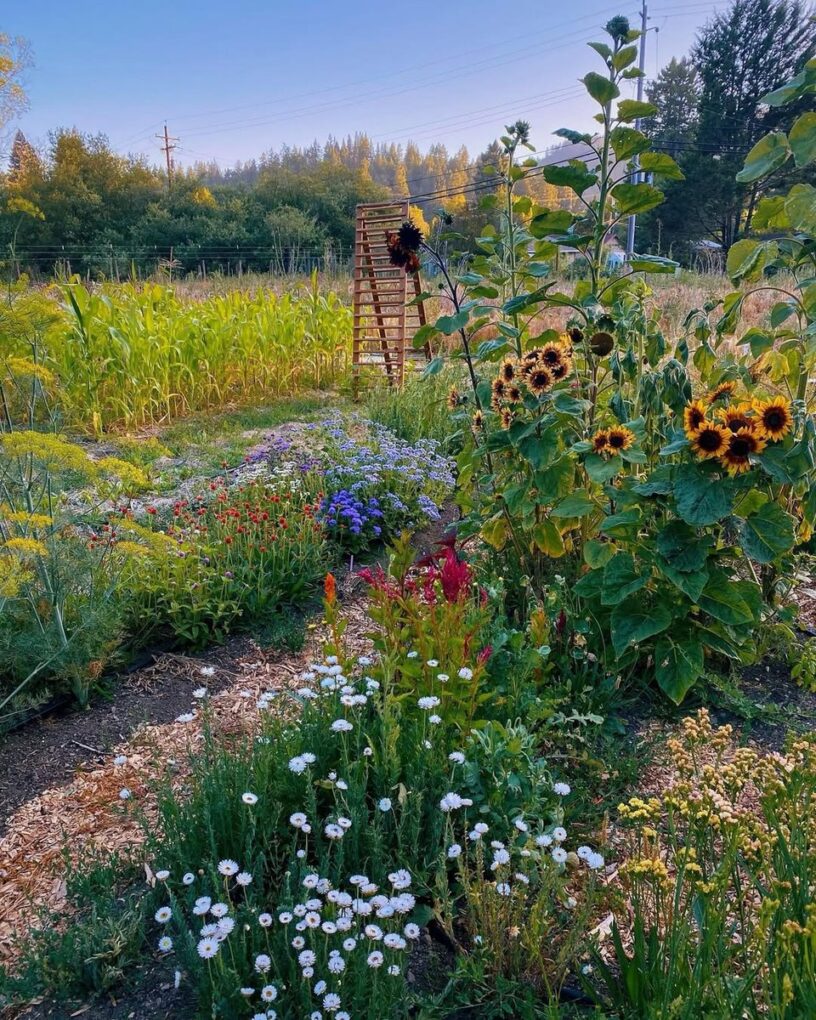
Border planting uses wildflowers to frame paths, fences, or garden beds with color and softness. It’s a way to define space while adding movement and seasonal interest along the edges. Mixing heights and bloom times allows borders to stay lively from spring to fall and attract pollinators. It’s a simple technique that gives your garden structure without feeling too formal.
11. Tiny Urban Meadow
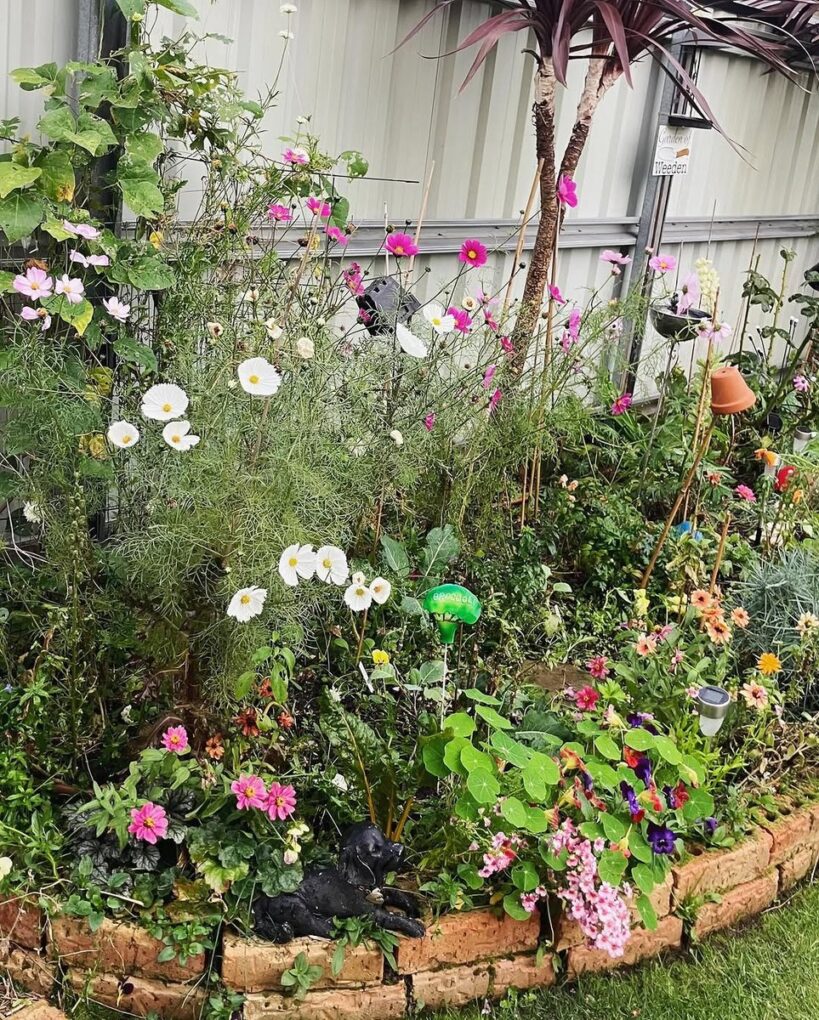
A tiny urban meadow brings the wild beauty of open fields into compact city spaces. You can turn even a tiny yard or curb strip into a pollinator-friendly patch by planting a dense mix of low-maintenance wildflowers, like cosmos, coreopsis, and poppies. It’s a space-saving way to add softness, color, and biodiversity where least expected. Proof that wildflowers don’t need vast open land to thrive.
12. Wildflower Containers
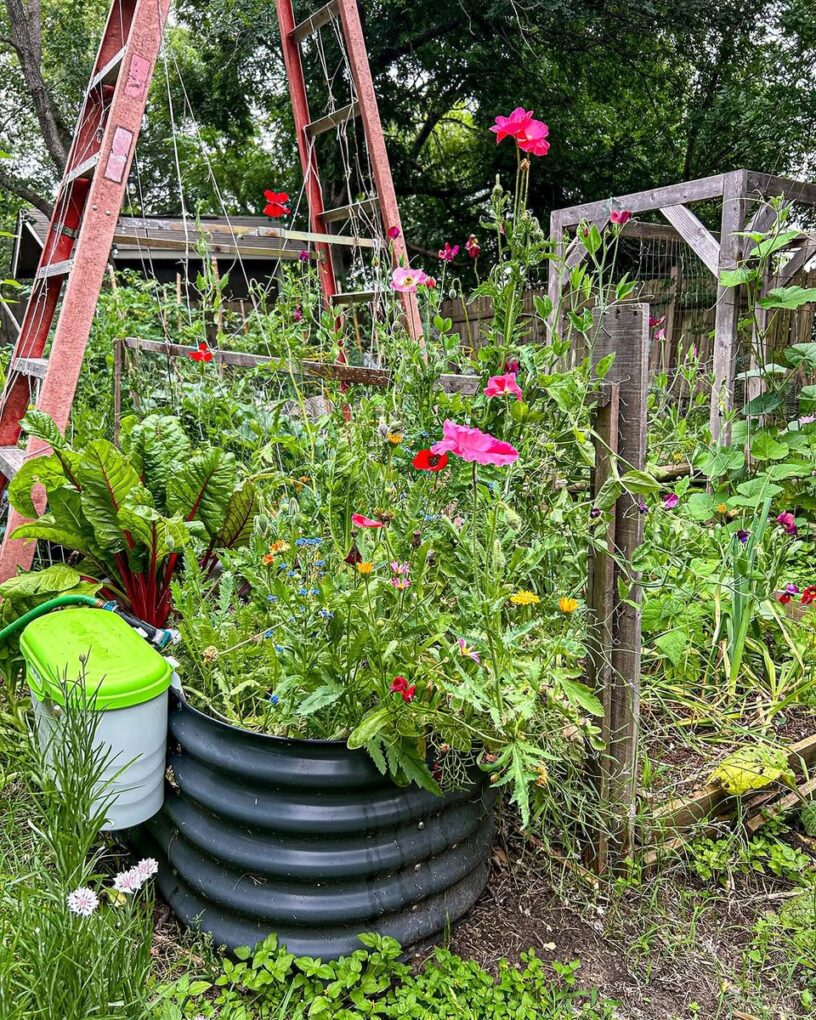
Wildflower containers offer a meadow’s charm in a flexible, movable format. By planting a mix of annuals and perennials—like calendula, cosmos, and cornflowers—in pots or troughs, you can bring bursts of color to patios, balconies, and entryways. They’re easy to maintain, perfect for small spaces, and attract bees and butterflies. It’s wild beauty, scaled just right.
13. Rustic Arbor Entry
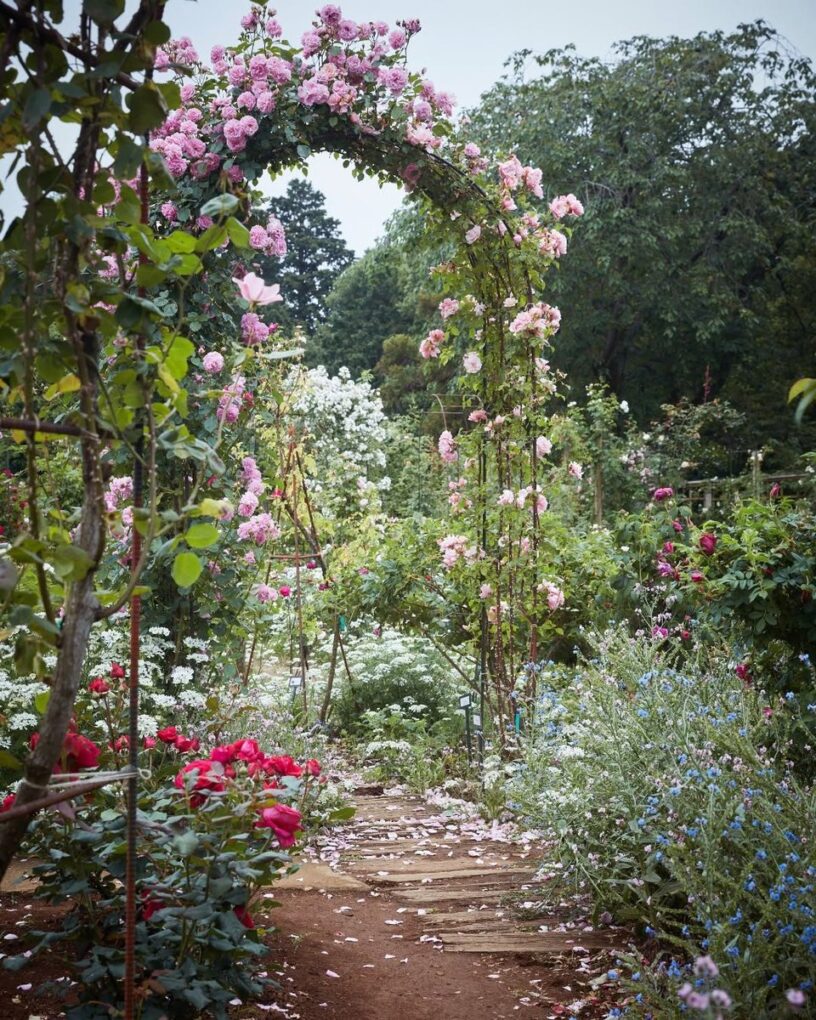
A rustic arbor entry sets the stage for a garden that feels both welcoming and wild. Draped in climbing blooms like sweet peas or clematis and flanked by loose wildflower borders, it creates a soft transition from structured to natural. The weathered wood or metal frame adds charm and character, blending seamlessly with the surrounding blooms. It’s an enchanting way to invite guests—and pollinators—into your garden.
14. Monochrome Mix
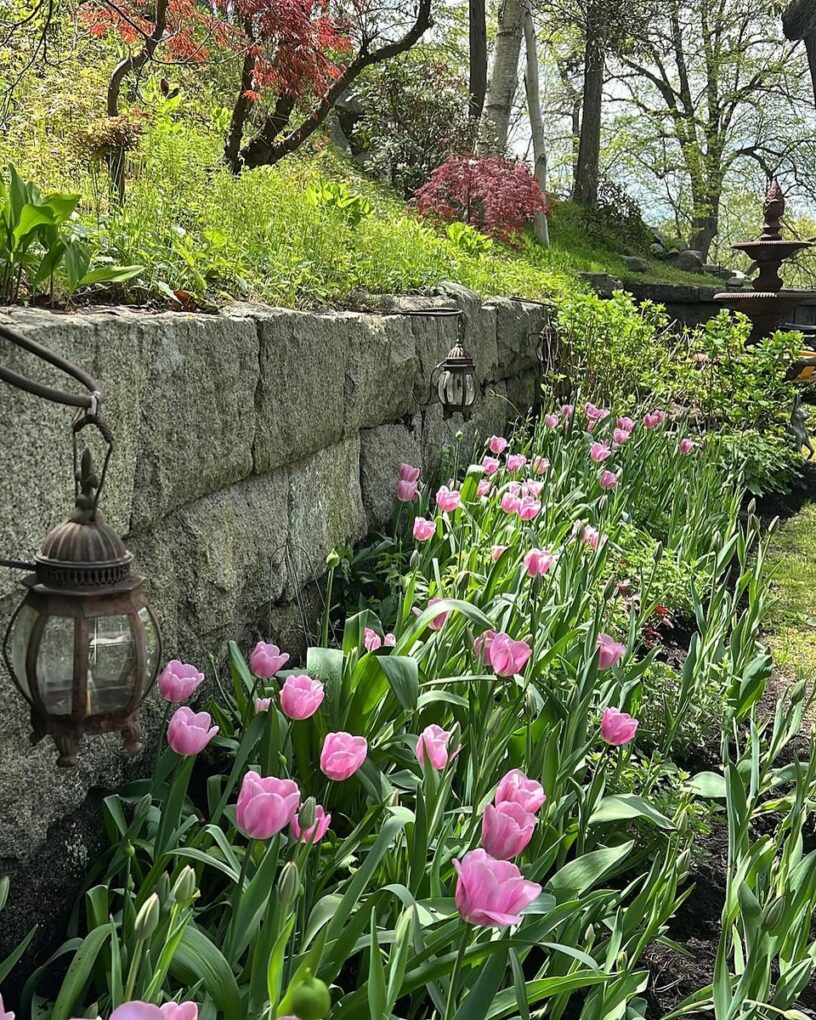
A monochrome mix sticks to one color family—like soft pinks, sunny yellows, or cool purples—for a cohesive and calm garden. Using wildflowers with similar tones, such as lavender, cosmos, or coreopsis, adds variety without visual clutter. This approach highlights shape and texture, letting the blooms speak through subtlety. It’s a simple, elegant way to make a strong design statement.
15. Bird-Friendly Garden
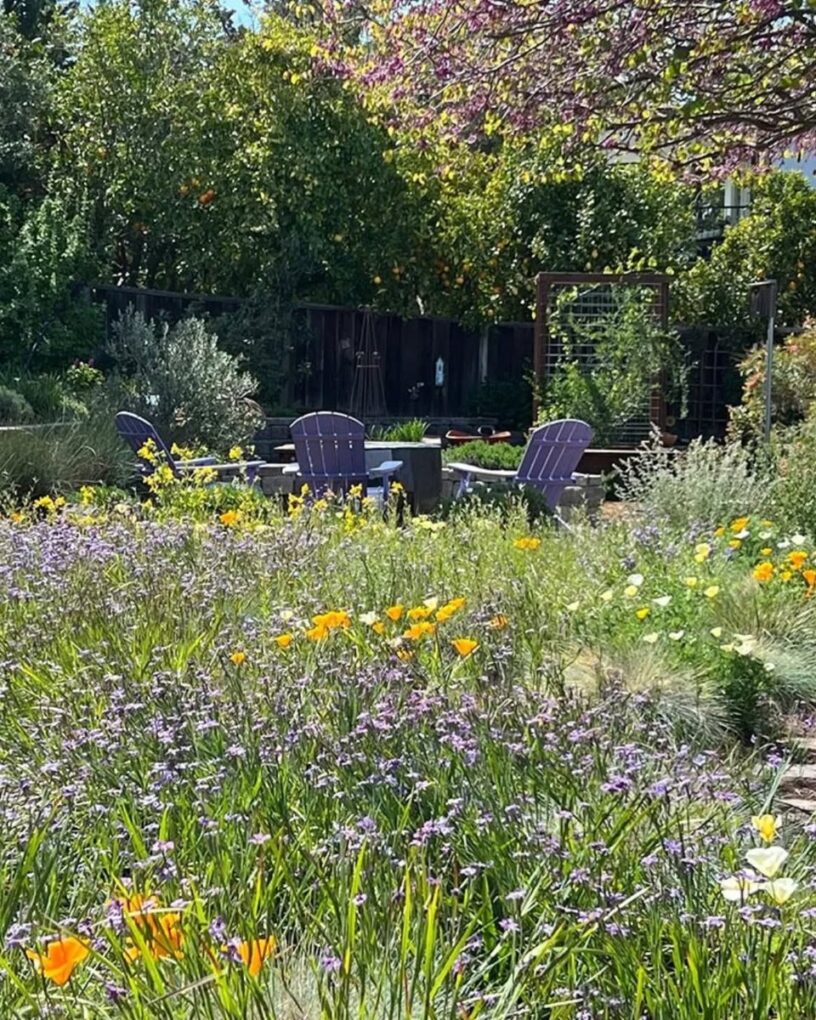
A bird-friendly garden uses native wildflowers and seed-rich plants to attract and sustain feathered visitors year-round. Coneflowers, sunflowers, and grasses provide natural food sources, while dense plantings offer shelter and nesting spots. Adding a birdbath or shallow water dish can boost its appeal even more. It’s a lively, low-intervention way to enjoy birdsong and color outside your door.
16. Zen Meadow
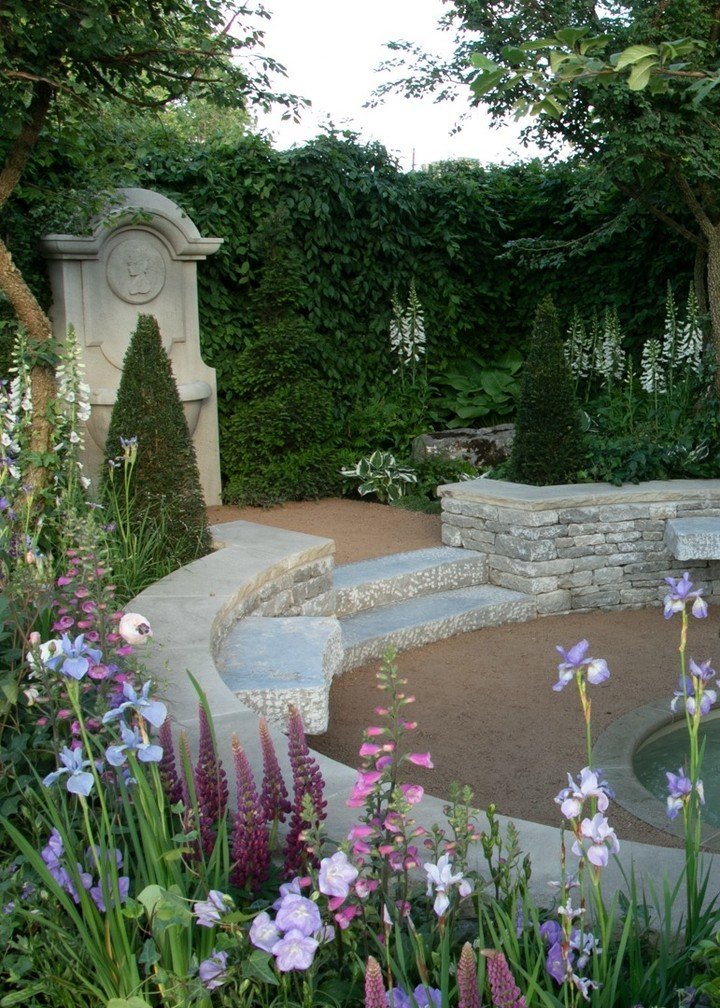
A Zen meadow blends the wild spirit of natural planting with the calm clarity of minimalist design. Soft grasses and gently swaying wildflowers—like yarrow, anise hyssop, and verbena—are arranged in open drifts with breathing space. It emphasizes texture, movement, and seasonal change over bold color. The result is a peaceful, meditative garden that feels grounded and free.
17. Prairie Patch
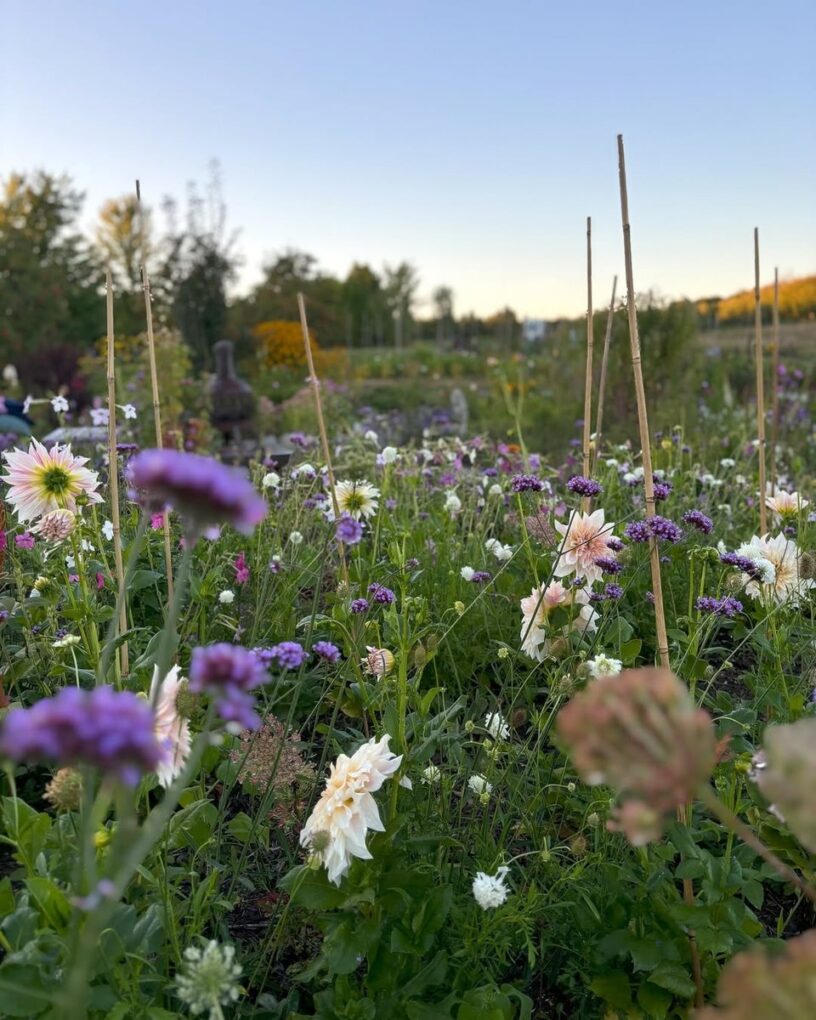
A prairie patch mimics the open, sun-drenched landscapes of native grasslands with a rich mix of tall wildflowers and ornamental grasses. Plants like rudbeckia, echinacea, and liatris grow in loose, natural layers that support pollinators and thrive with minimal care. It’s a dynamic, ever-changing space that brings movement, texture, and a touch of the wild to any yard. Perfect for open spaces and gardeners who love a bit of untamed beauty.
18. No-Mow Area
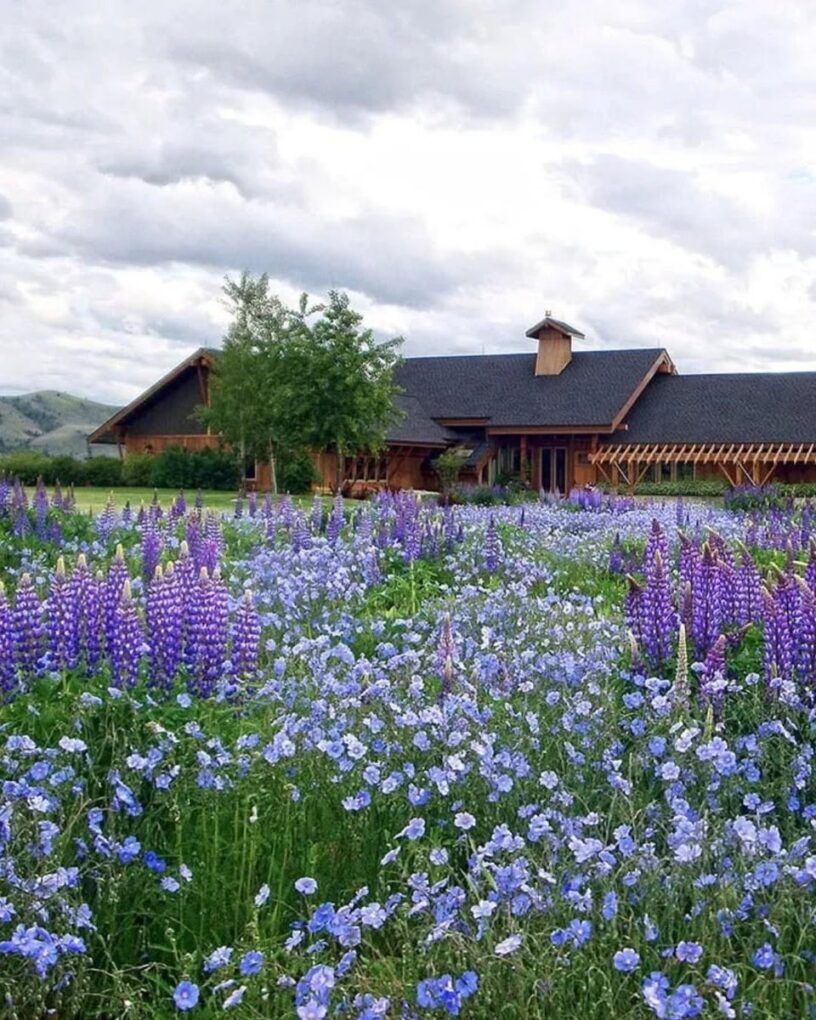
A no-mow area replaces traditional lawn with low-maintenance wildflowers and native grasses, creating a more natural, biodiverse space. Instead of constant upkeep, you get a dynamic patch that shifts with the seasons, attracts pollinators, and supports local wildlife. It’s an easy, eco-friendly way to reduce water and labor while adding beauty and life to your yard. Letting it grow never looked so good.
19. Rock Garden Blooms
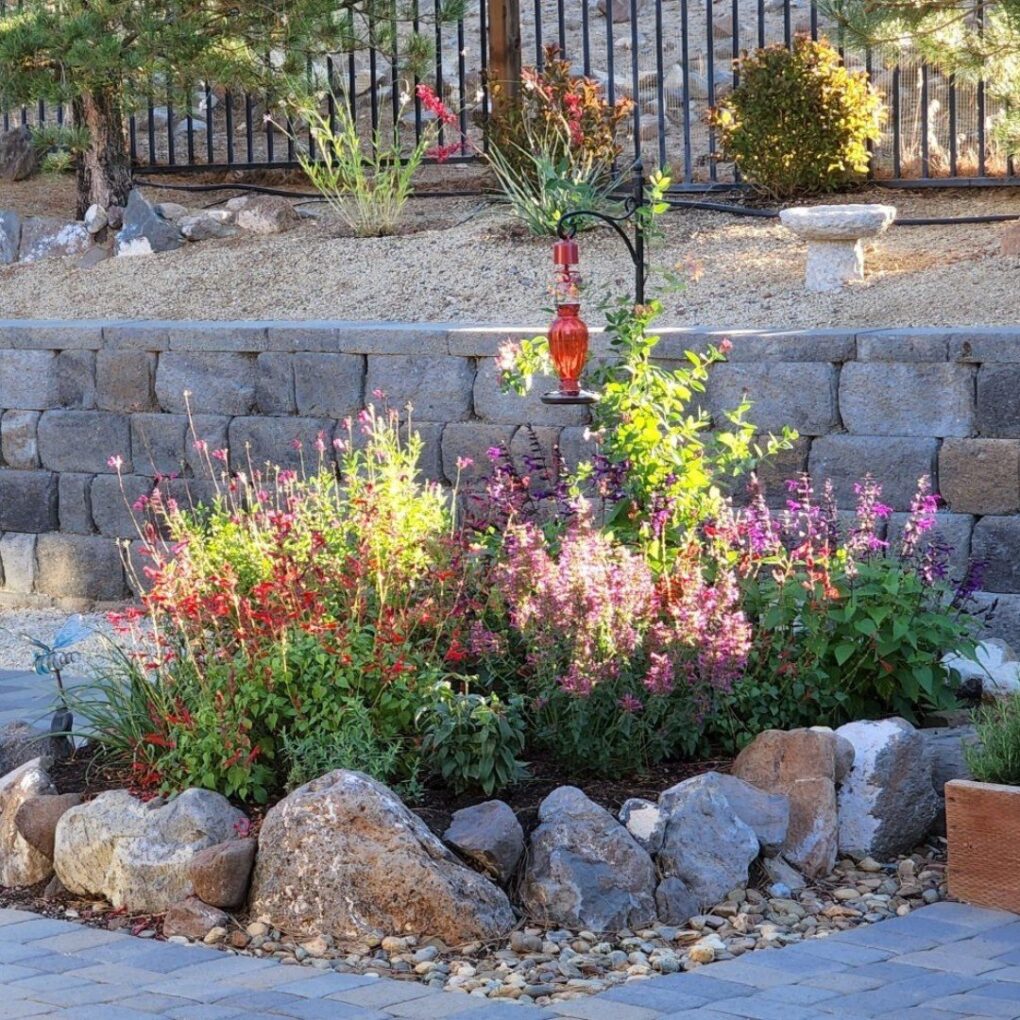
Rock garden blooms thrive in the crevices and lean soil around stones, combining resilience with beauty. Drought-tolerant wildflowers like penstemon, sedum, and verbena add soft color and texture against rugged rock backdrops. These gardens work well on slopes or in dry, sunny spots, offering year-round interest with minimal water. It’s a perfect marriage of structure and softness that feels natural and intentional.
20. Romantic Overgrowth
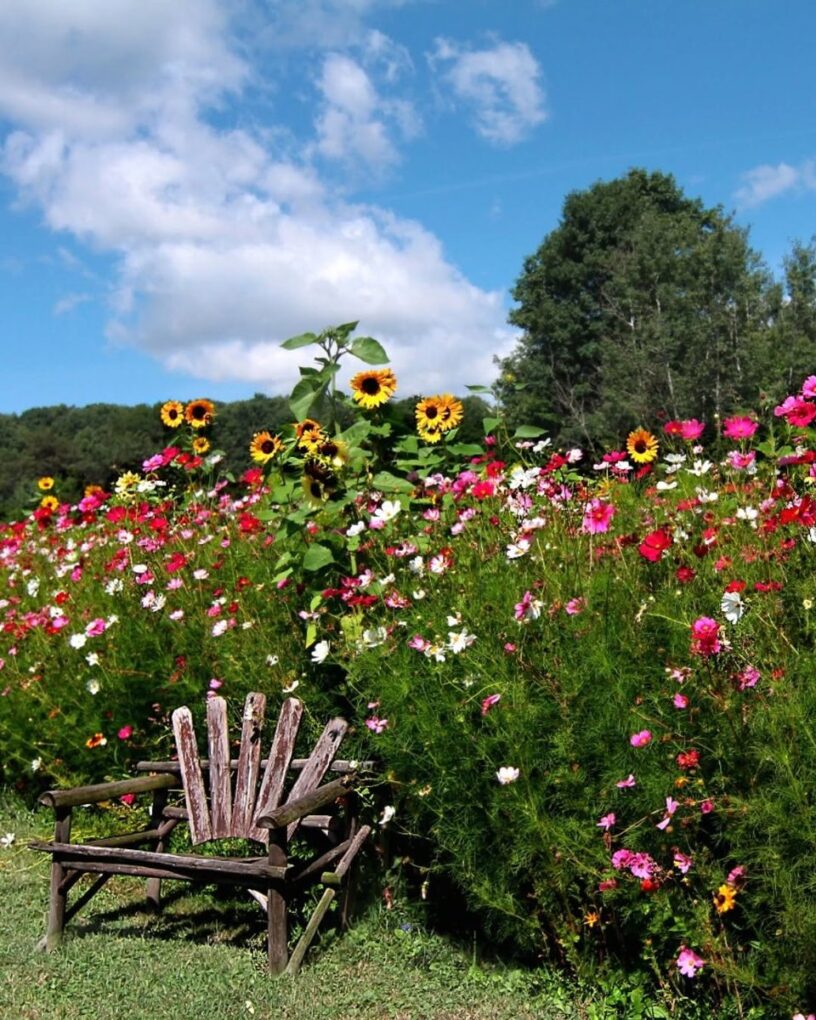
Romantic overgrowth celebrates the lush, untamed side of wildflower gardening, where blooms spill freely over paths, borders, and fences. Layered textures and soft colors—think cosmos, larkspur, and sweet peas—create a dreamy, slightly wild atmosphere that feels straight out of a storybook. This style invites nature to take the lead, favoring beauty in abundance over control. It’s perfect for those who love their gardens full, fragrant, and wild.