
21 Natural Garden Fence Ideas That Blend Beauty and Privacy
Fences do more than just define the edges of a garden—they shape its character. If you love an organic, down-to-earth look, you can create a beautiful balance of function and style by using natural garden fences. From rustic wood to woven branches, these ideas bring a sense of calm and cohesion to any outdoor space, while still providing the privacy and protection you need.
Table of Contents
1. Sunny Border Fence
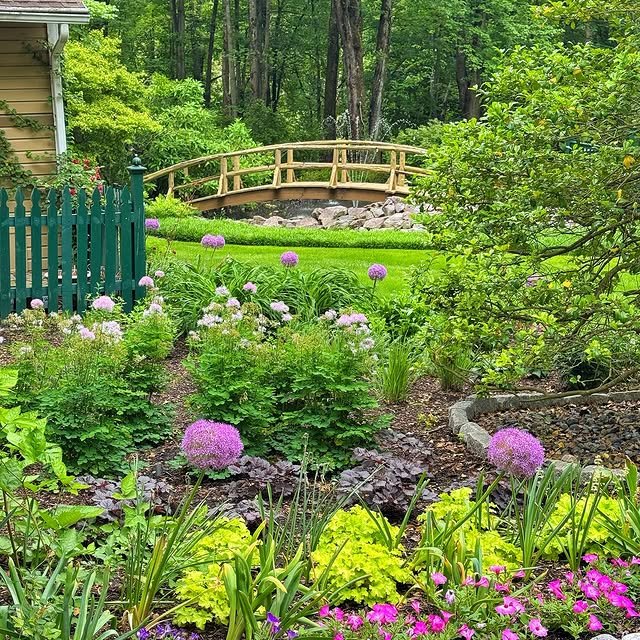
Sunny Border Fence pairs a natural wood fence with bright, sun-loving flowers to create a cheerful, inviting edge. The warm tones of the wall enhance the vibrancy of the blooms, making the whole scene feel welcoming and full of life. This approach defines space while maintaining a light and open mood. It’s ideal for gardens that thrive in full sunlight and love a splash of color.
2. Tall Bloom Screen
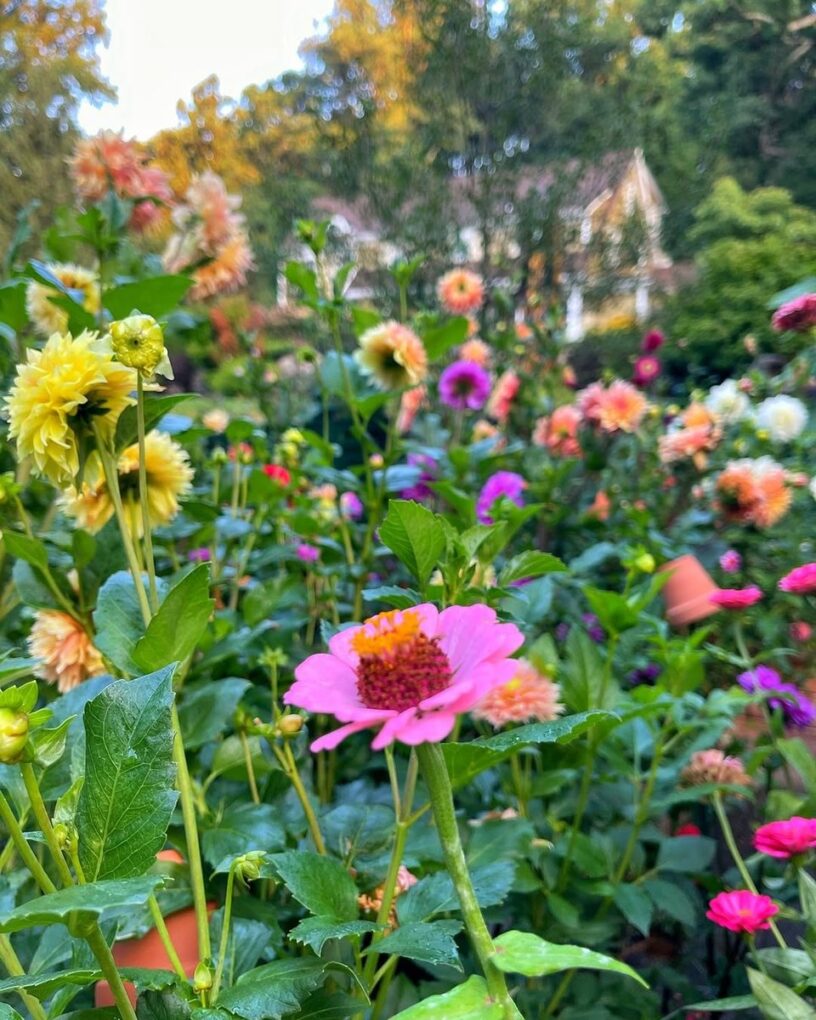
Tall Bloom Screen utilizes stately flowers, such as coneflowers, sunflowers, or hollyhocks, to create a living wall of color and height. These plants naturally provide privacy while adding movement and seasonal interest to the garden. It’s a simple way to separate spaces with beauty instead of bulk. Perfect for bordering patios, veggie beds, or walkways.
3. Layered Plant Fence
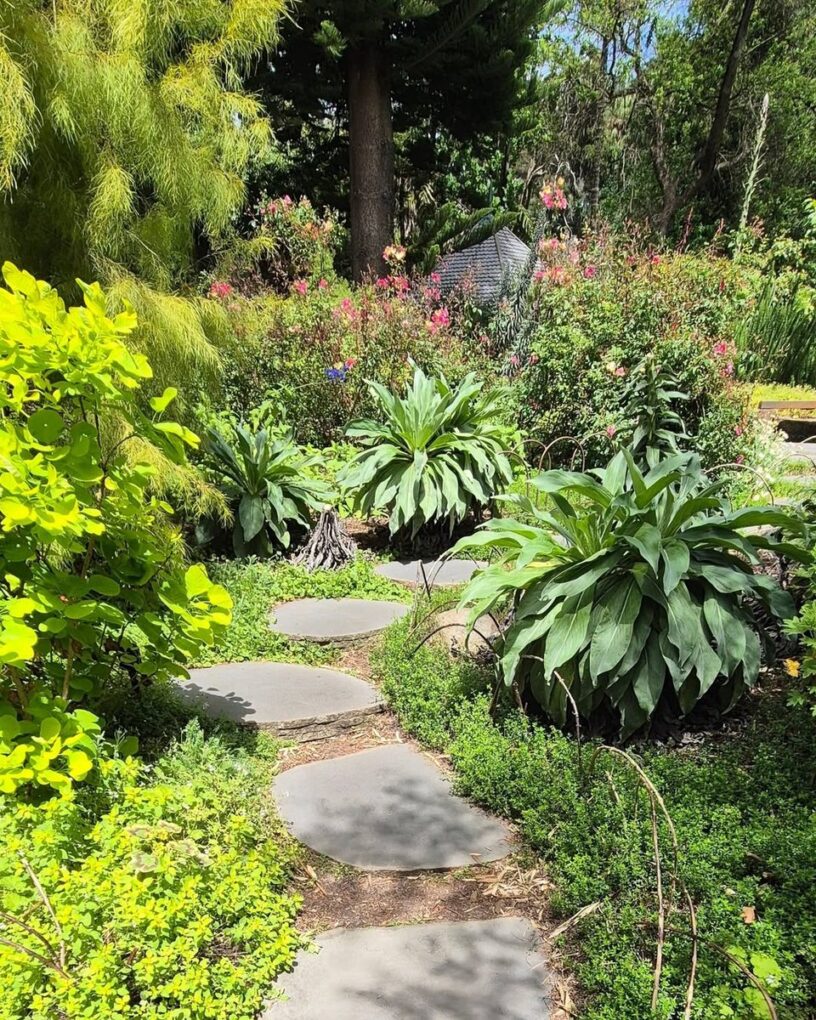
A planted screen in Front of a Fence softens a rigid boundary by layering greenery in front of it—think tall grasses, shrubs, and flowering perennials. This approach blends structure with nature, making the fence feel like part of the garden rather than a dividing line. It adds depth, texture, and seasonal interest—a simple way to turn any wall into a lush backdrop.
4. Vertical Gcyreen Privacy
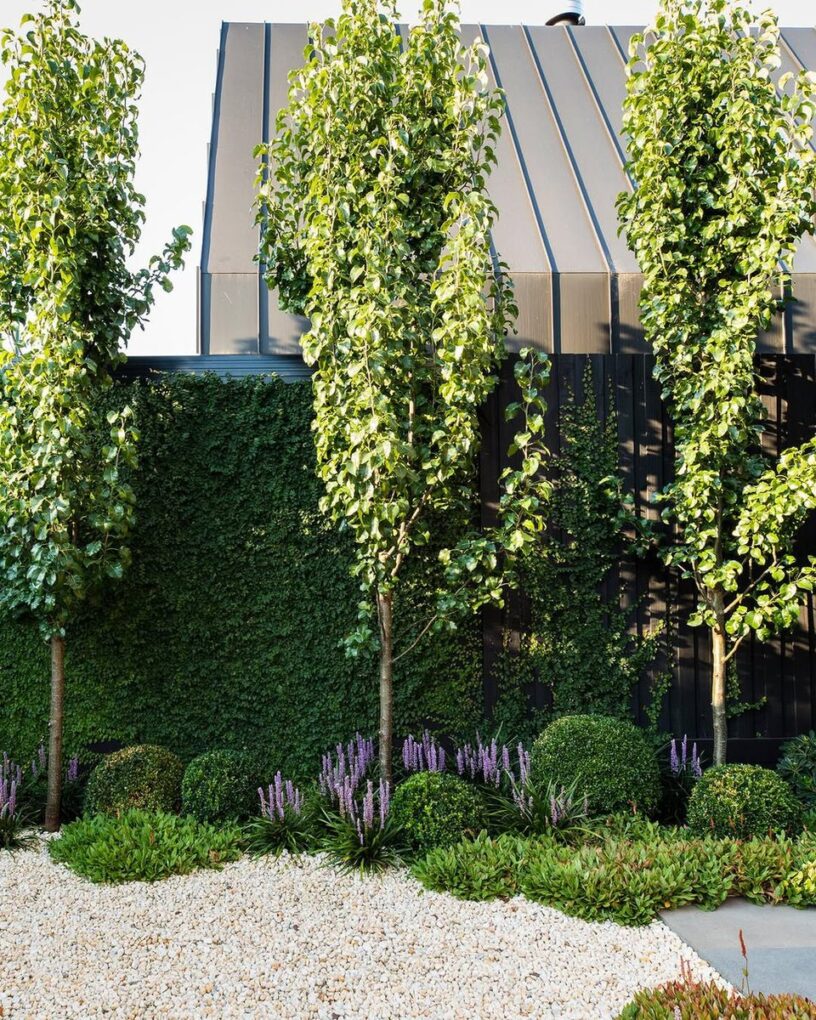
Vertical Green Privacy uses trellises or support structures covered in vines to create a tall, leafy screen. It’s an innovative solution for adding seclusion in tight spaces, offering both greenery and gentle shade. The vertical format keeps the footprint small while maximizing visual impact. Great for patios, balconies, or modern gardens that crave natural boundaries.
5. Planted Screen in Front of Fence

A planted screen in Front of a Fence transforms a basic fence into a vibrant garden feature by adding layers of plants in front of it. Tall perennials, ornamental grasses, and flowering shrubs soften the fence line, bringing seasonal beauty. This method blurs the boundary between structure and nature. It’s a low-effort way to make a hard edge feel lush and inviting.
6. Sunflower Wall

Sunflower Wall creates a seasonal fence using rows of towering sunflowers to provide height, privacy, and a cheerful burst of color. These tall blooms serve as a natural screen, attracting pollinators and framing garden spaces. It’s a simple, eye-catching way to define boundaries with plants instead of panels. Perfect for summer gardens that love bold, sunny vibes.
7. Modern Slat Privacy Screen
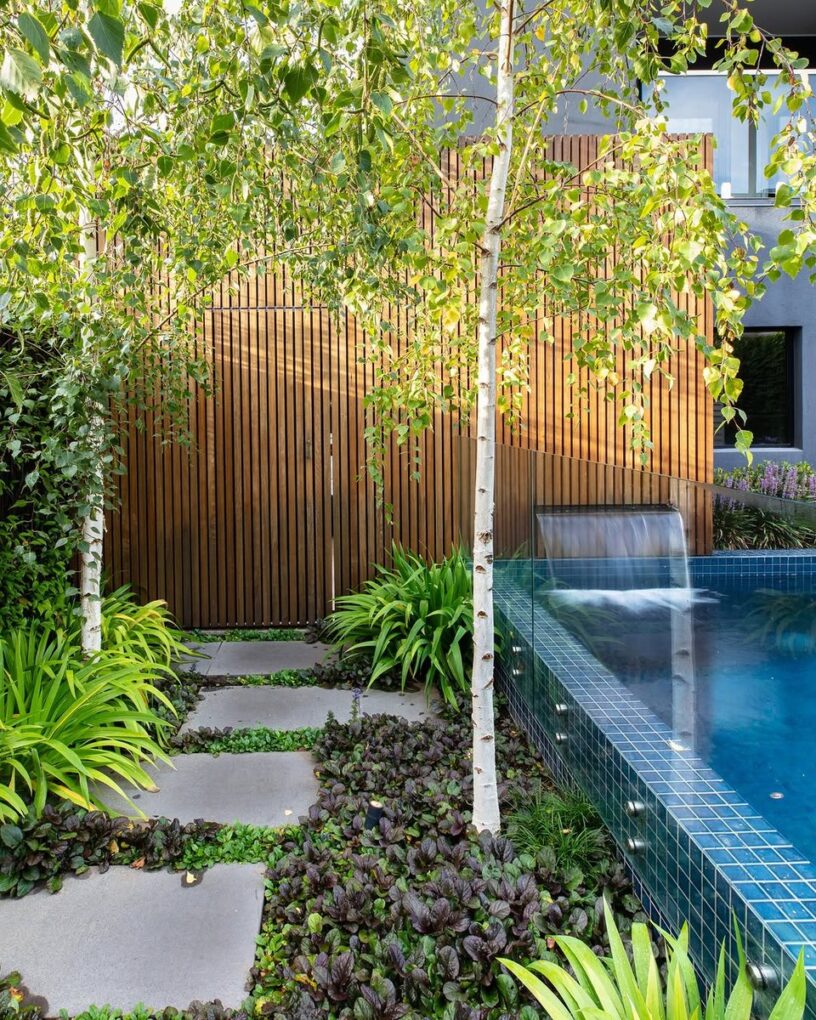
Modern Slat Privacy Screen features horizontal or vertical wooden slats spaced to offer both seclusion and airflow. With its clean lines and subtle form, this minimalist design pairs effortlessly with natural surroundings, making it an ideal choice for modern garden spaces. Pairing it with greenery or climbing plants softens its lines while preserving its structure. It’s a stylish, functional way to define outdoor spaces with a touch of nature.
8. Flower Wall Camouflage
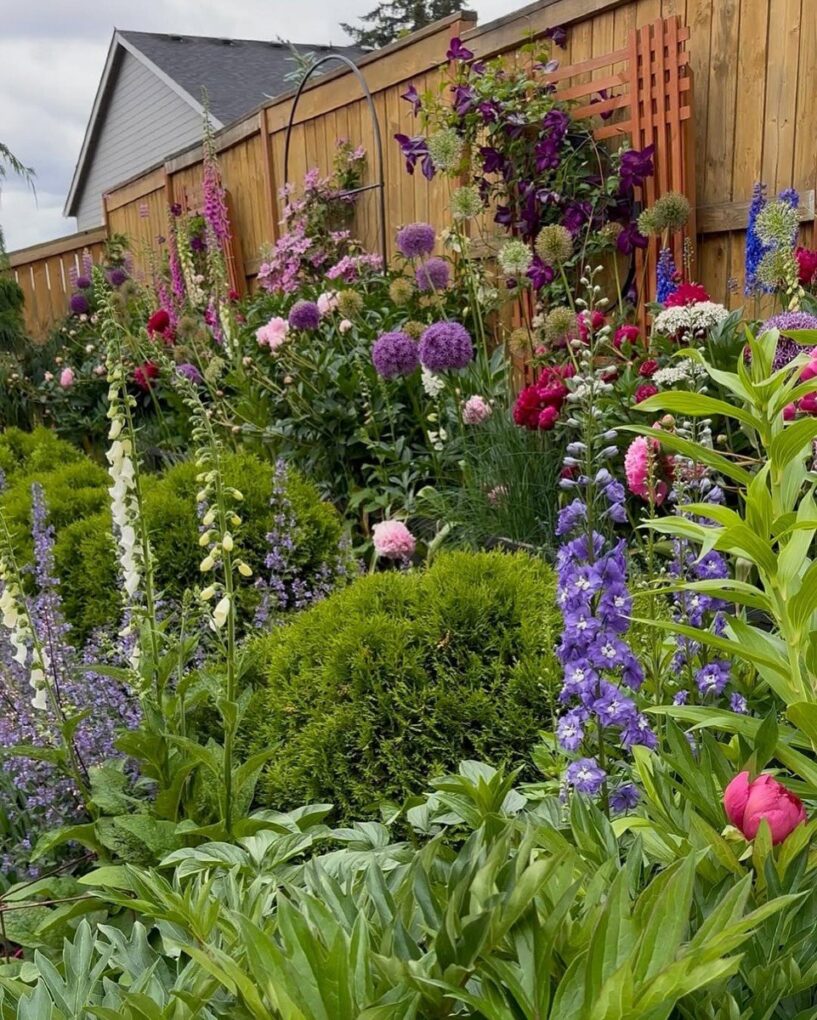
Flower Wall Camouflage utilizes tall perennials and climbing plants to camouflage a fence, transforming it into a vibrant blooming backdrop. The flowers soften hard lines and draw attention to color and texture, rather than structure. This approach makes the fence visually disappear, blending it seamlessly into the garden. It’s a beautiful way to turn a plain barrier into a living work of art.
9. Informal Bloom Border
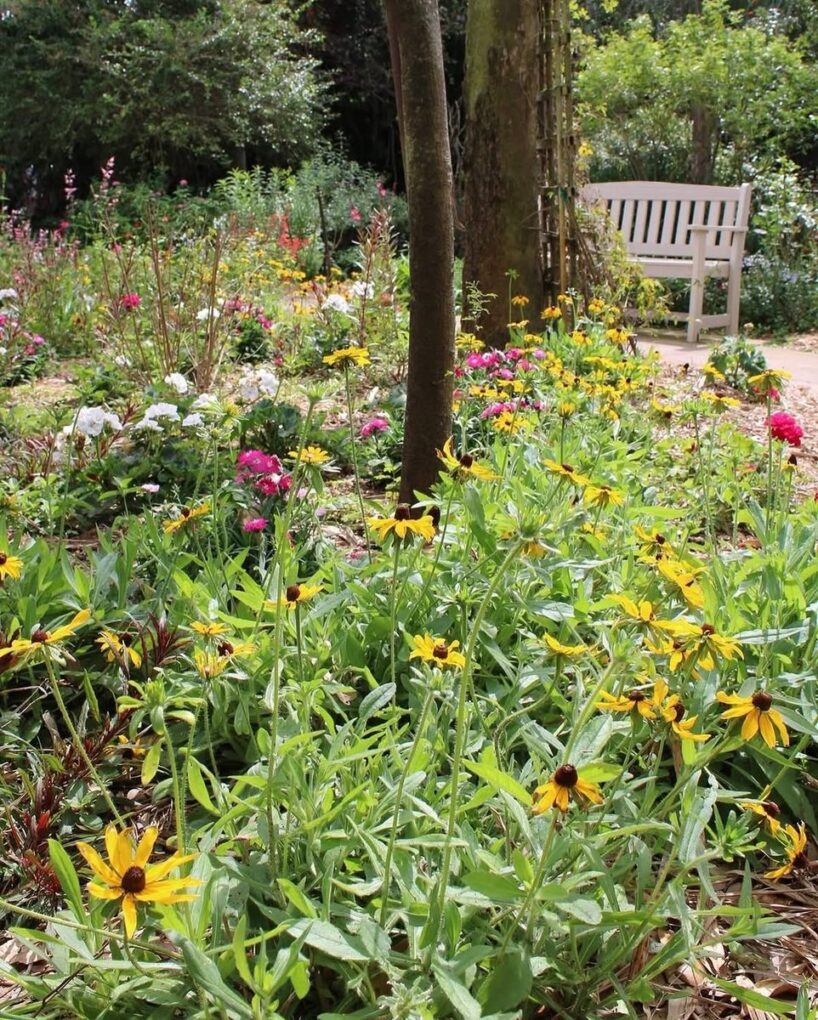
Informal Bloom Border relies on casually arranged perennials and wildflowers to form a soft, flowing edge that feels relaxed and natural. This style doesn’t follow strict lines, allowing plants to spill and sway, creating a sense of movement and charm. It defines garden spaces without looking overly structured. Perfect for cottage or pollinator-friendly gardens.
10. Tulip-Framed Garden Fence
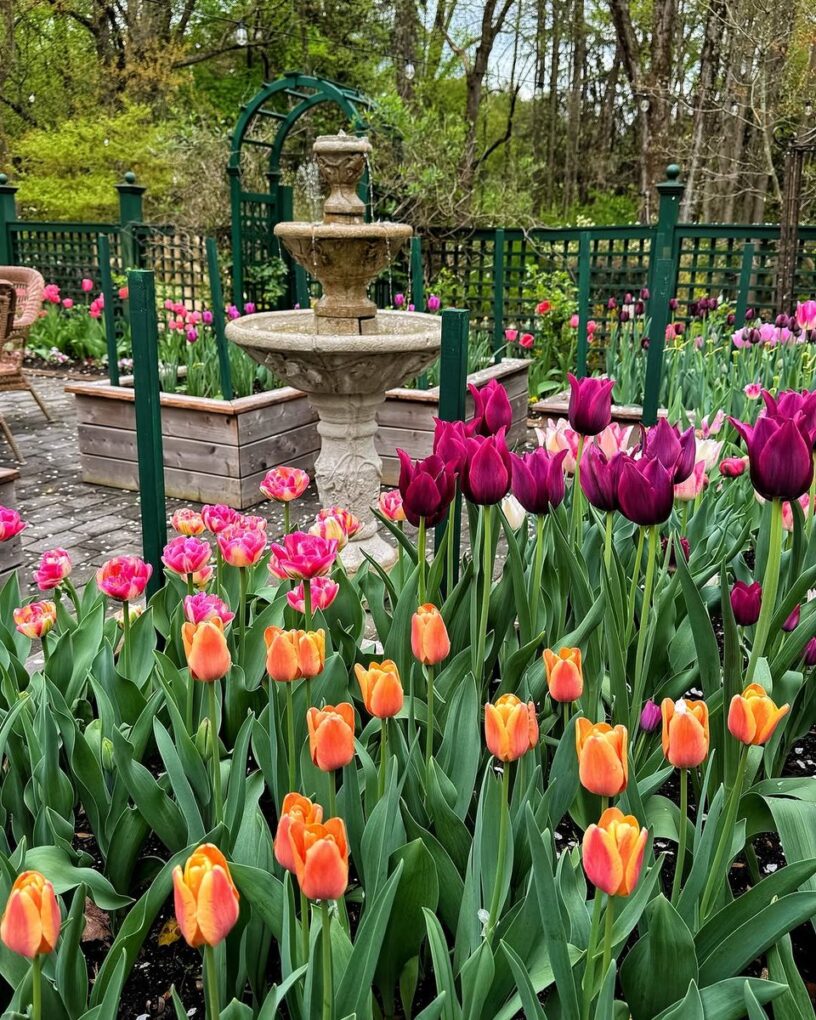
Tulip-Framed Garden Fence pairs a classic picket or low wood fence with a vibrant row of spring tulips to create a cheerful seasonal boundary. The structured wall provides definition, while the tulips add bursts of color and charm. This combination celebrates both form and bloom, offering beauty and function in equal measure. Ideal for welcoming the season with a soft, floral edge.
11. Decorative Entry Fence
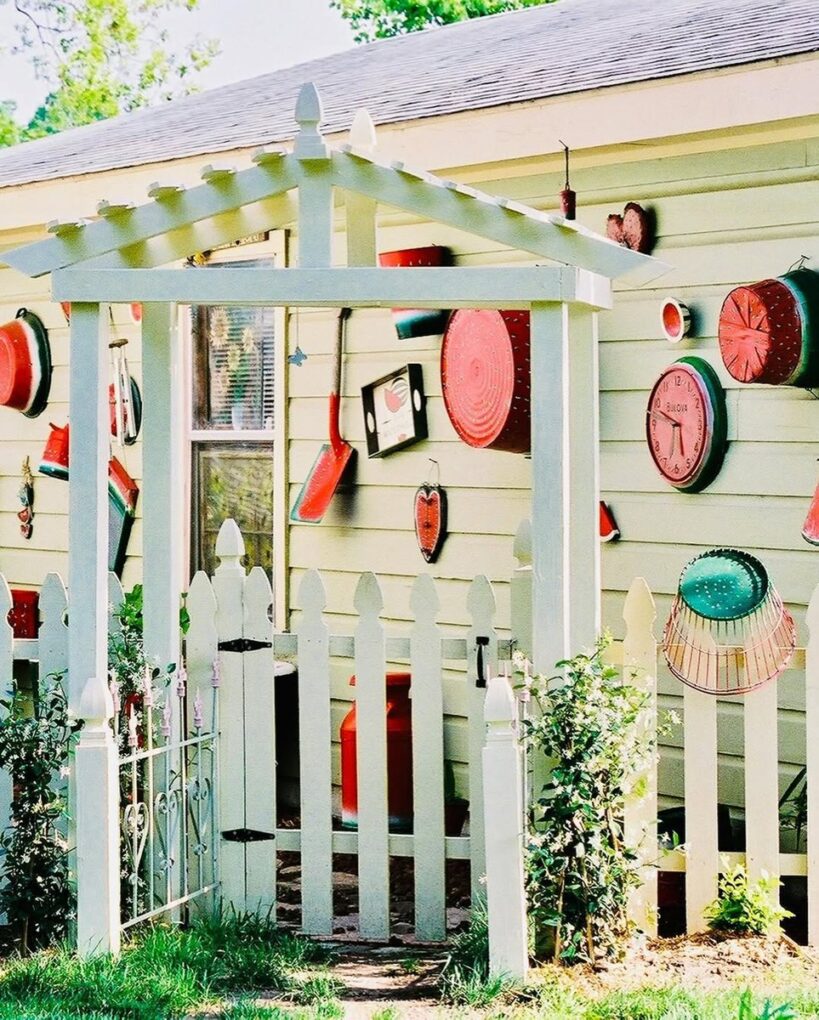
A decorative entry fence combines a charming gate, arbor, or trellis with flowering vines and personal accents to create a warm welcome to the garden. This fence style sets the tone for the space, blending natural materials with character and creativity. It offers structure while inviting in light, plants, and people. Perfect for defining pathways or marking garden transitions with flair.
12. Sunflower Play Fence
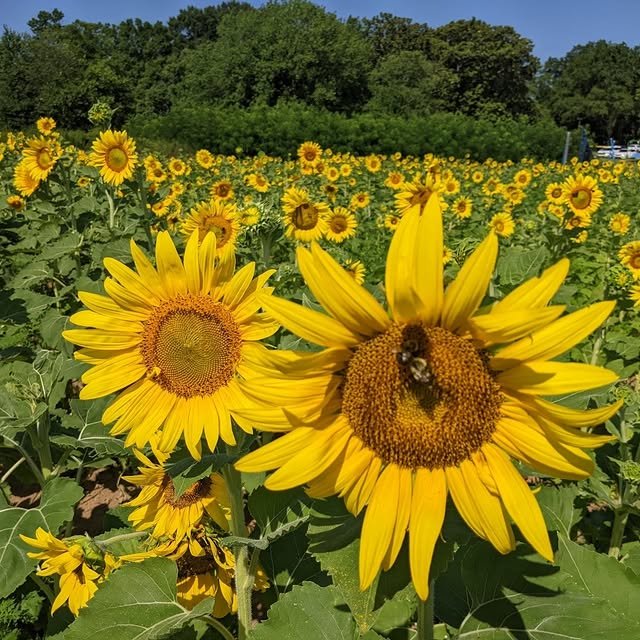
Sunflower Play Fence uses tall sunflowers planted in rows to create a playful, natural enclosure ideal for kids’ garden areas. Their bright, cheerful blooms form a soft screen that adds privacy and a touch of seasonal charm. Easy to grow and full of life, this fence idea combines whimsy and nature. It’s a fun, eco-friendly way to define space for play.
13. Seasonal Collage Fence
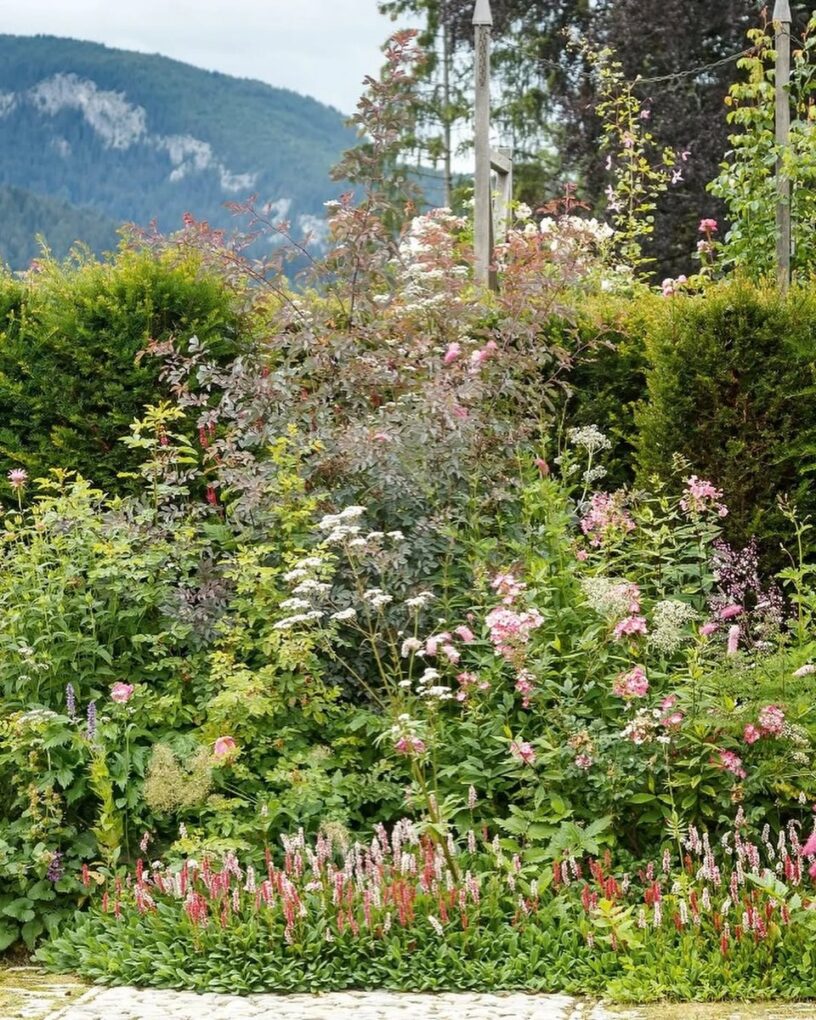
Seasonal Collage Fence layers a mix of perennials, annuals, and grasses to form a dynamic, living boundary that changes with the seasons. This approach emphasizes color, texture, and movement, offering year-round interest and a strong appeal to wildlife. It’s less about uniformity and more about flow, making the garden feel alive and ever-evolving—a perfect choice for those who love a wild, artistic edge.
14. Shade Partnering Fence
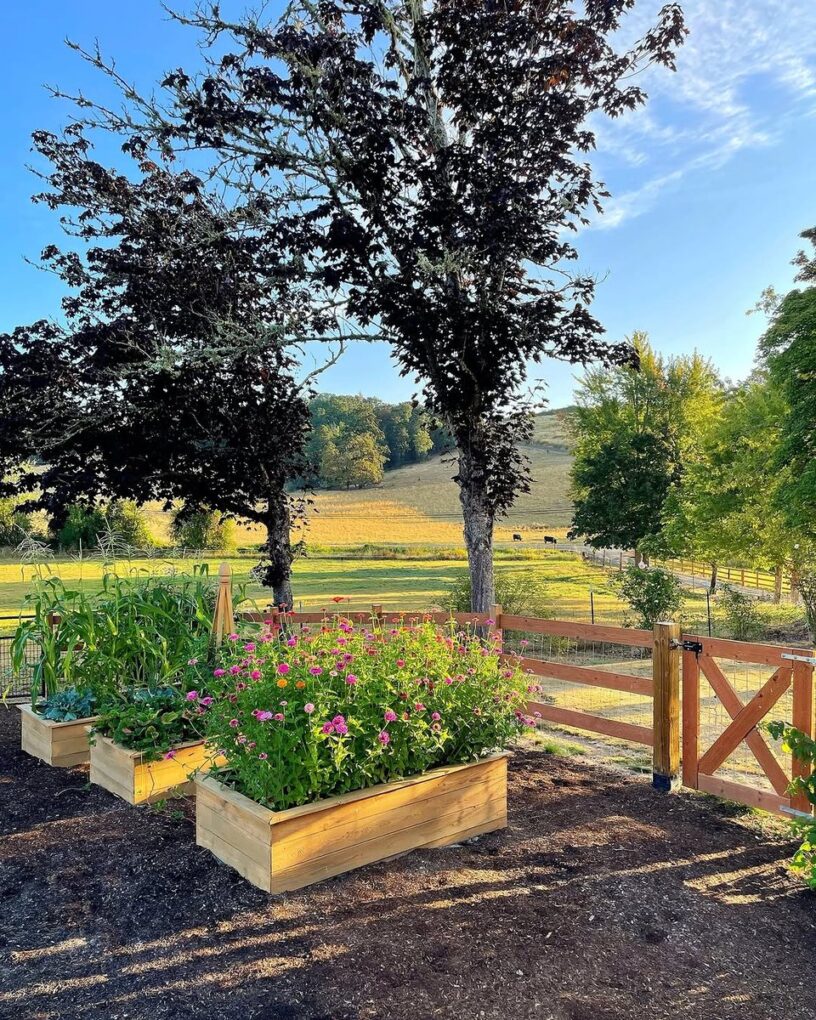
Shade Partnering Fence pairs a natural wood or wire fence with the cooling presence of mature trees and shade-loving plants. This combination creates a quiet, green boundary that feels both enclosed and breathable. Understory plantings, such as ferns and hostas, enhance the layered look. It’s an ideal solution for defining spaces while maintaining a calm, cool, and lush atmosphere.
15. Container Tower Fence
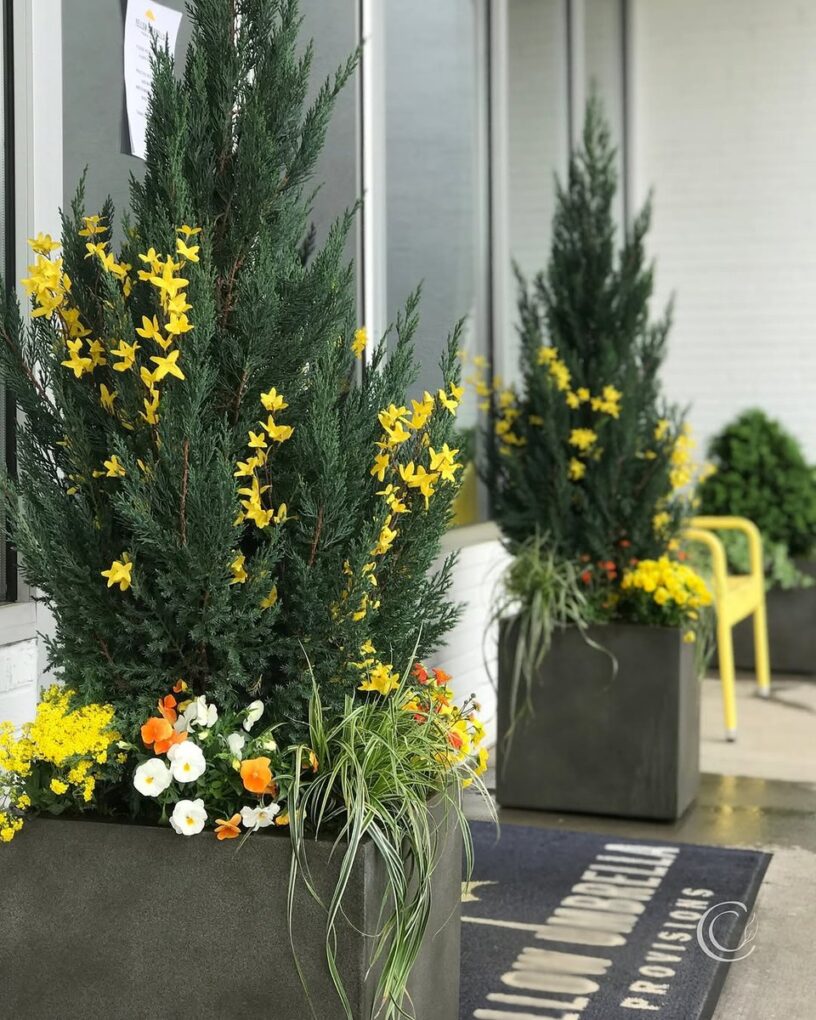
Container Tower Fence stacks tall planters or arranges vertical containers to form a flexible, movable boundary. Filled with upright grasses, evergreens, or trailing blooms, these towers offer privacy and color without permanent installation. They’re great for patios, decks, or small gardens where space is limited—a stylish, adaptable way to fence with plants.
16. Floral Fence Line
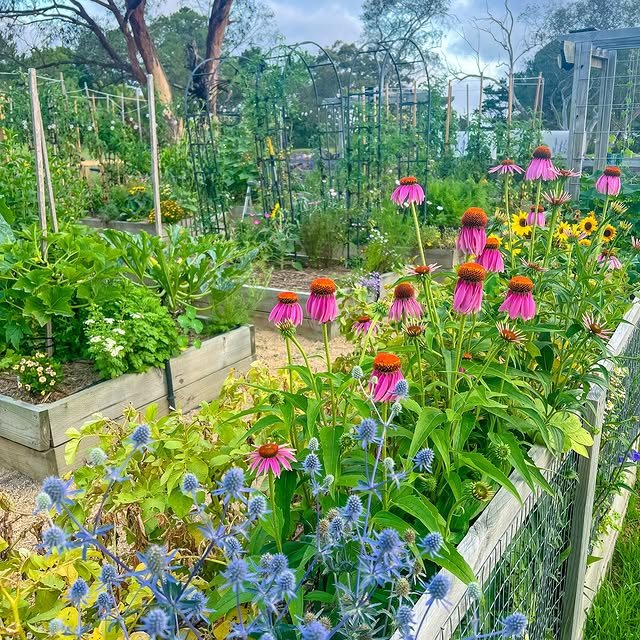
Floral Fence Line transforms a basic fence into a blooming feature by planting bold, upright flowers, such as echinacea or globe thistle, along its base. These plants add height, texture, and seasonal color, softening the fence and drawing the eye to the surrounding area. It’s a simple way to blend structure with beauty. Ideal for turning practical boundaries into garden highlights.
17. Bird-Feeder Mix
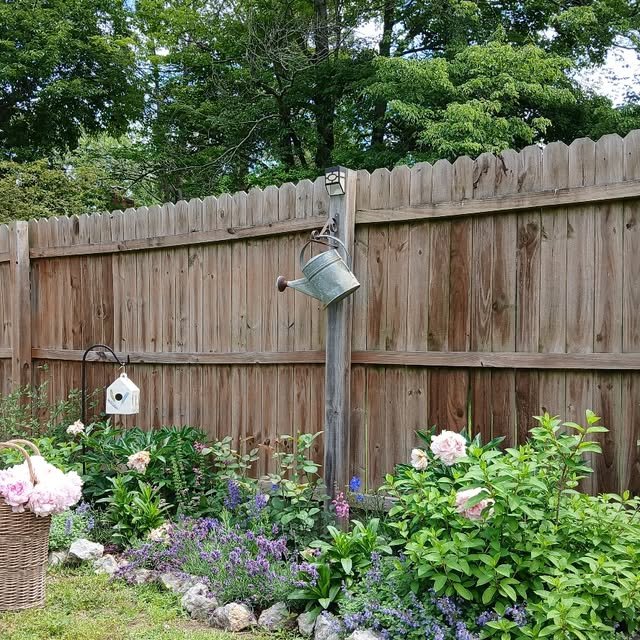
Bird-Feeder Mix turns a garden edge into a lively, functional boundary by combining flowering plants, feeders, and rustic fencing. This setup attracts birds and pollinators, adding motion and natural sound to the space. The layered greenery softens the fence line while supporting local wildlife. It’s a charming way to bring structure and life together.
18. Sunflower Picnic Spot
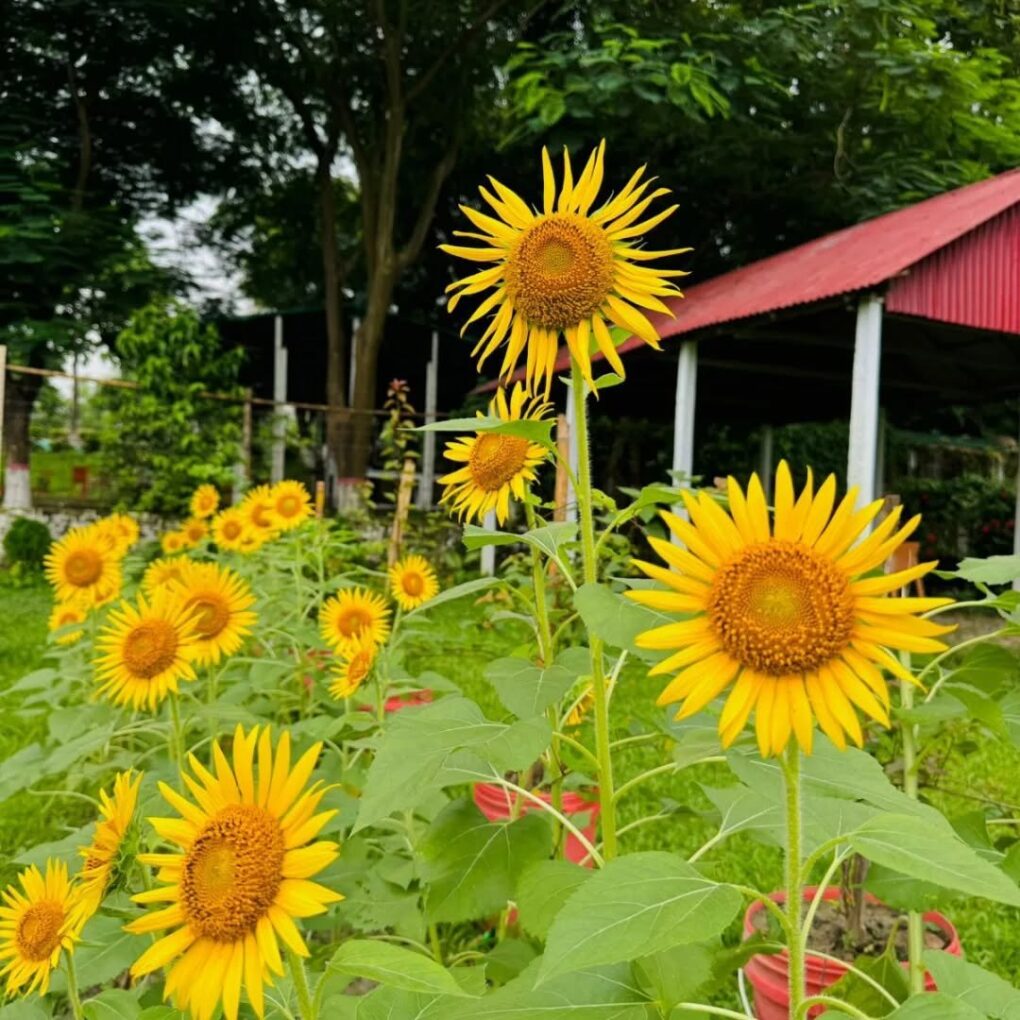
Sunflower Picnic Spot creates a bright, cheerful boundary using tall sunflowers to frame outdoor seating areas. Their towering blooms provide a sense of enclosure while keeping the space open and sunny. It’s a playful, seasonal way to define a picnic nook with natural charm. Additionally, the flowers attract bees and butterflies, contributing to the garden’s relaxed and lively atmosphere.
19. Edge of Vegetable Plot
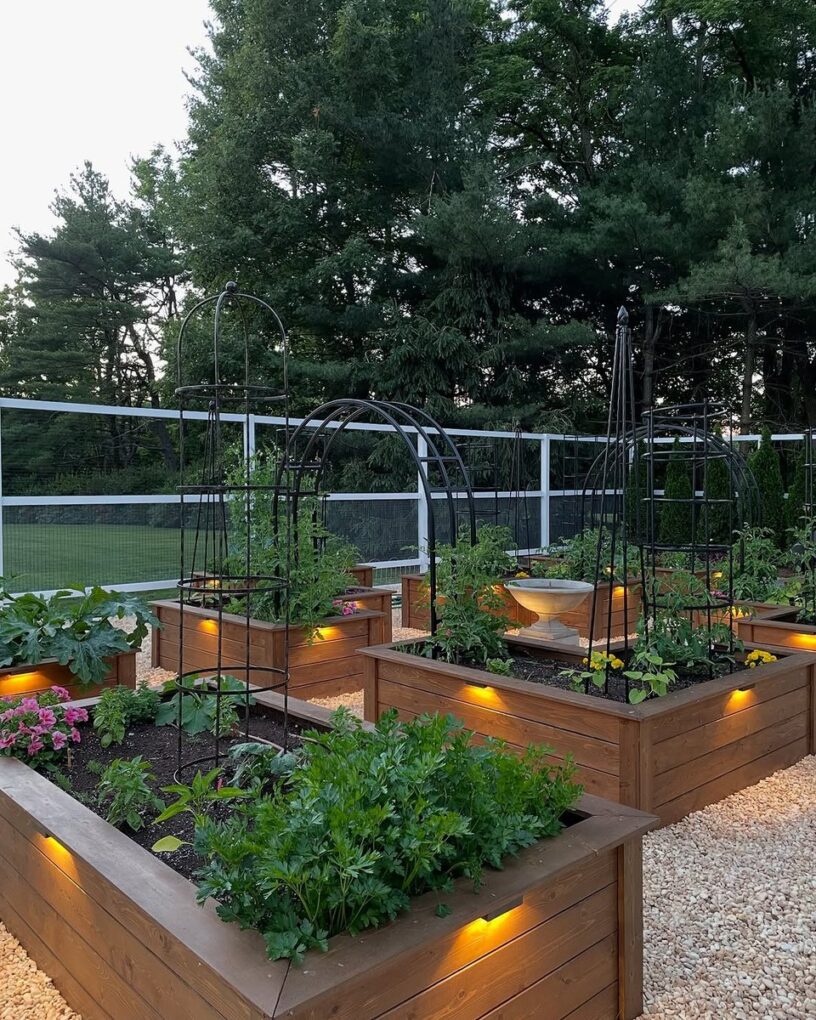
The Edge of Vegetable Plot utilizes structured elements, such as raised beds, trellises, and fencing, to define a productive garden space with clean, natural lines. The layout helps organize crops while providing visual boundaries that feel intentional and tidy. Planting flowers or herbs along the edges softens the structure and attracts pollinators. It’s a practical and beautiful way to fence in a growing space naturally.
20. Themed Planting Fence
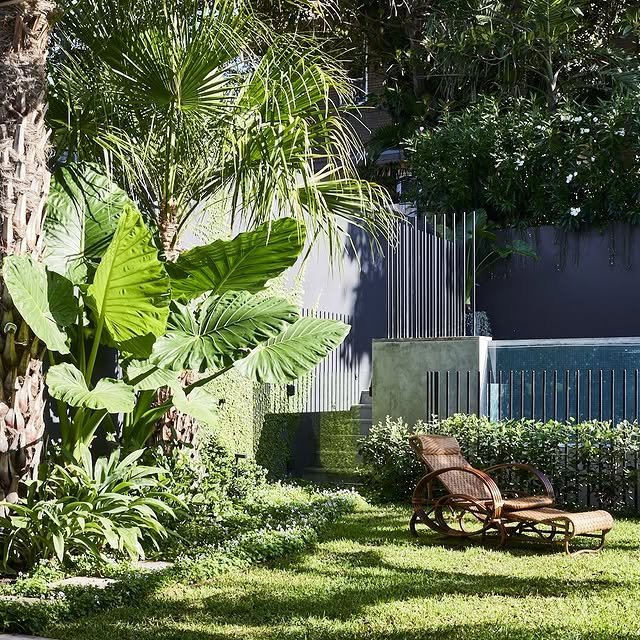
Themed Planting Fence blends decorative greenery with purposeful design by aligning plant selections to a unified aesthetic or color scheme. Whether tropical, cottage-style, or Mediterranean, the foliage reinforces the mood while offering texture, color, and seasonal interest. This approach turns the fence line into a storytelling feature that enhances the garden’s identity. It’s a creative way to make a boundary feel immersive and expressive.
21. Pathway Canopy Fence
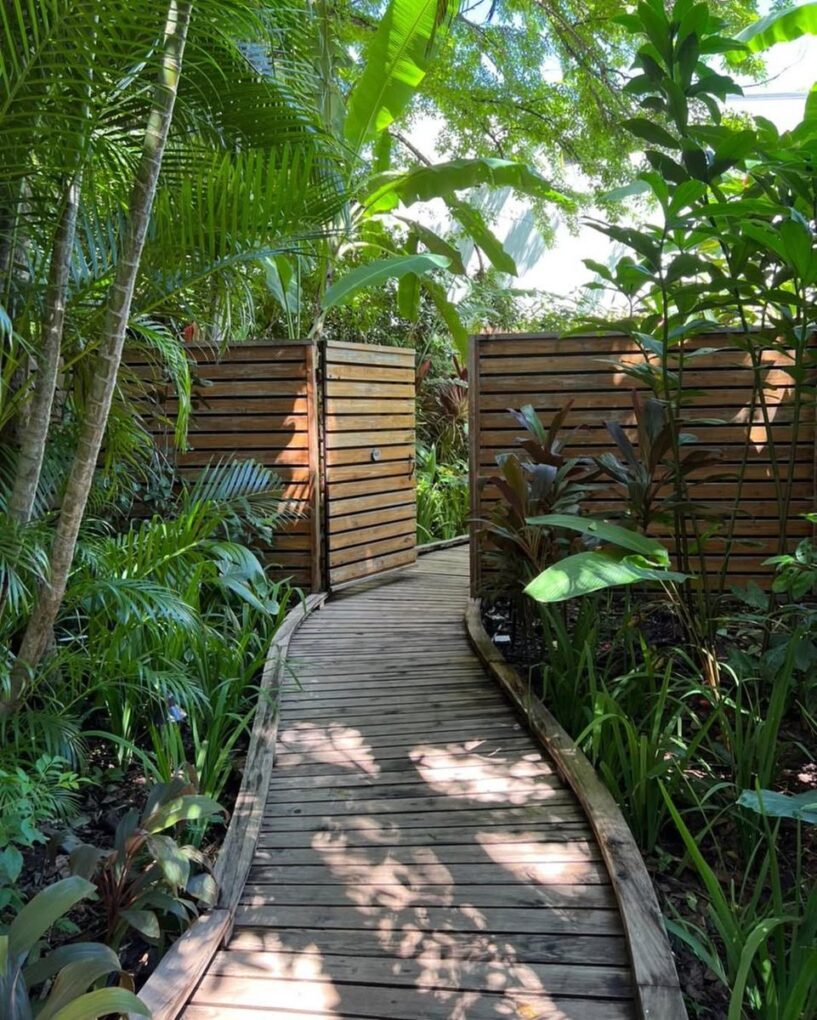
Pathway Canopy Fence combines overhead greenery with vertical fencing to create a sheltered, intimate garden walkway. Tall plants and trees arch above, forming a leafy tunnel that softens the structure and cools the path below. The fence adds subtle guidance and privacy, framing the space without closing it off. It’s a serene, nature-wrapped route that invites slow wandering.