
21 Serene Japanese Garden Inspirations: Whispers of Nature
There’s something quietly magical about a Japanese garden. How moss softens stone, water trickles just enough to be heard, and every element feels intentional—it all creates a sense of calm. Whether you dream of a peaceful corner to reflect on or a backyard escape that feels worlds away, these ideas will help bring that tranquil beauty home.
Table of Contents
1. Moss-Covered Serenity
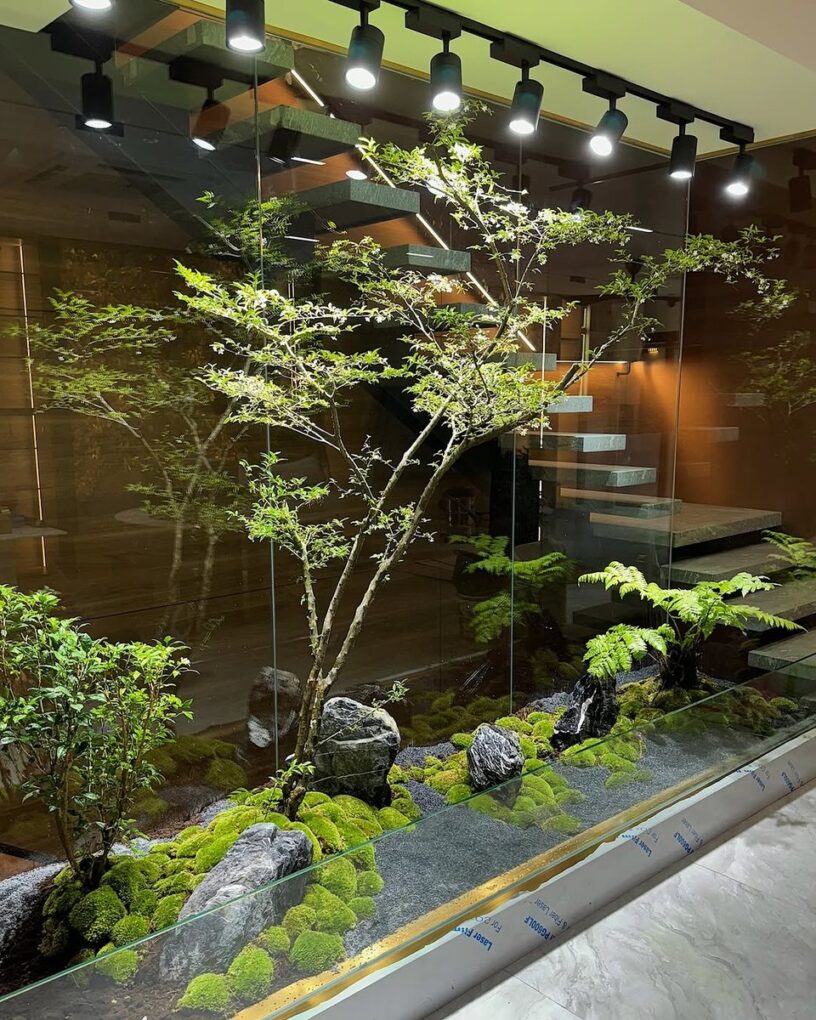
Moss-Covered Serenity is all about grounding a space in softness and stillness. With its rich, velvety texture and muted green tones, moss creates a calming atmosphere that feels timeless and alive. It softens hard edges like stones and pathways, blending everything into a peaceful whole. This natural carpet invites quiet reflection and slows the pace of any garden it touches.
2. Bridge Over Still Waters
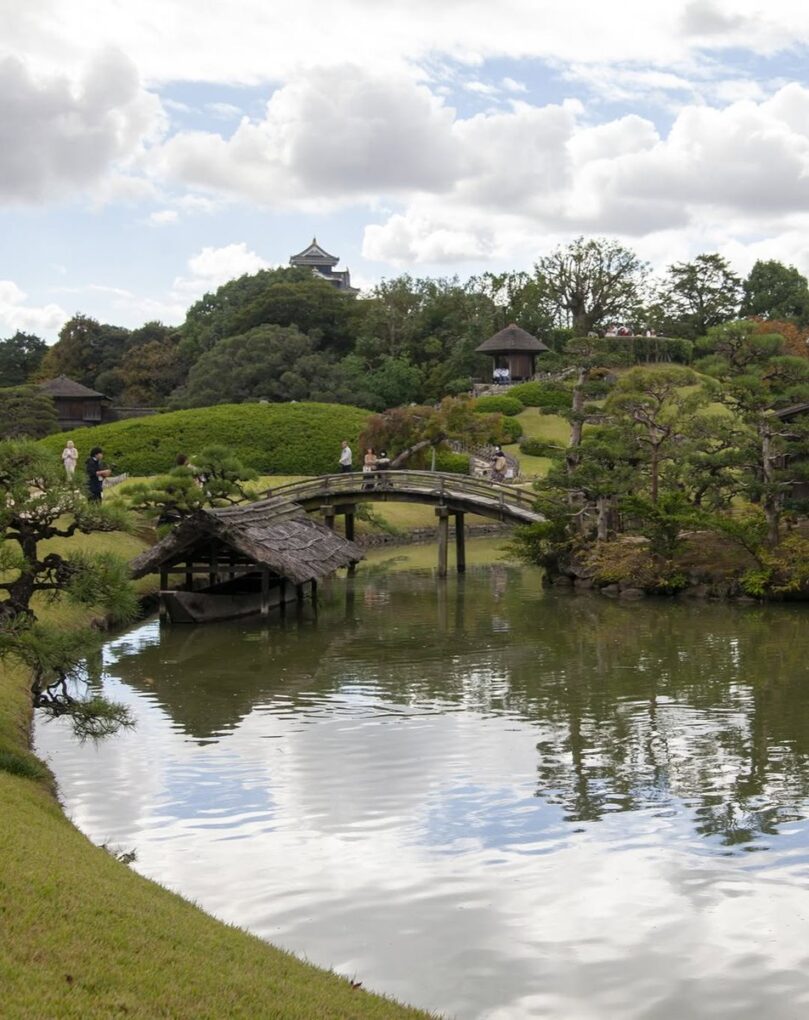
Bridge Over Still Waters captures the essence of quiet transition and reflection. A gently arched bridge over calm water creates a serene focal point, inviting slow steps and mindful movement. Its mirrored image in the surface below enhances the sense of balance and harmony. This element offers more than just passage—it symbolizes peace and connection within the garden.
3. Lantern-Lit Paths
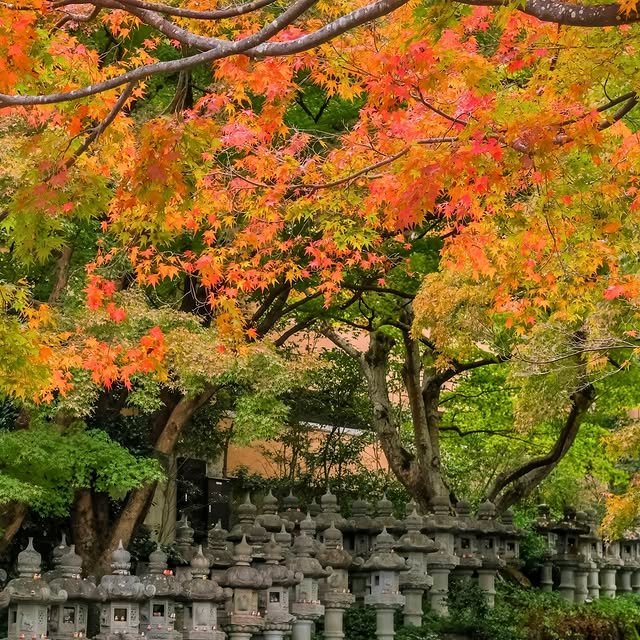
Lantern-lit paths gently glow in the garden, guiding footsteps with soft, ambient light. Traditionally crafted from stone, these lanterns offer function and symbolism—illuminating the way forward and moments of quiet beauty. Scattered along walkways or nestled among foliage, they create a rhythm of warmth and pause. The garden comes alive in a more contemplative light as day fades.
4. Tea House Escape
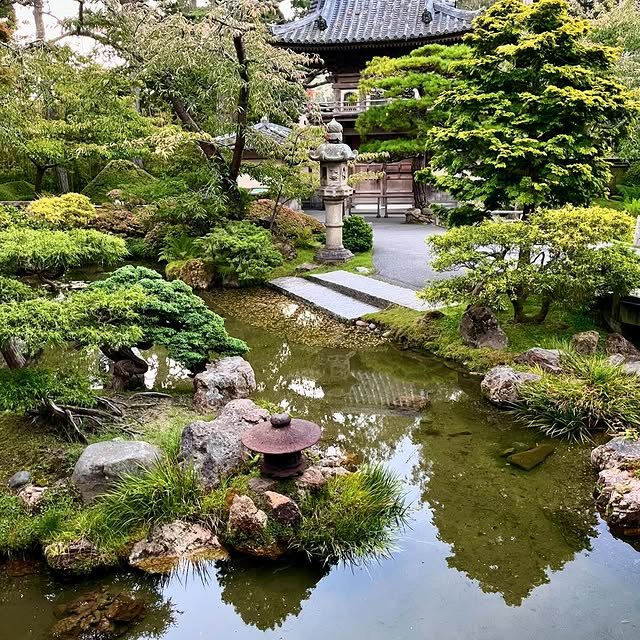
Tea House Escape is a quiet invitation to slow down and be present. The tea house is a serene shelter from weather and worldly distractions within the garden’s embrace. Its humble design and natural materials blend seamlessly with the landscape, creating a space for stillness and ritual. Here, simplicity becomes a luxury, and every detail encourages calm.
5. Wabi-Sabi Stone Simplicity
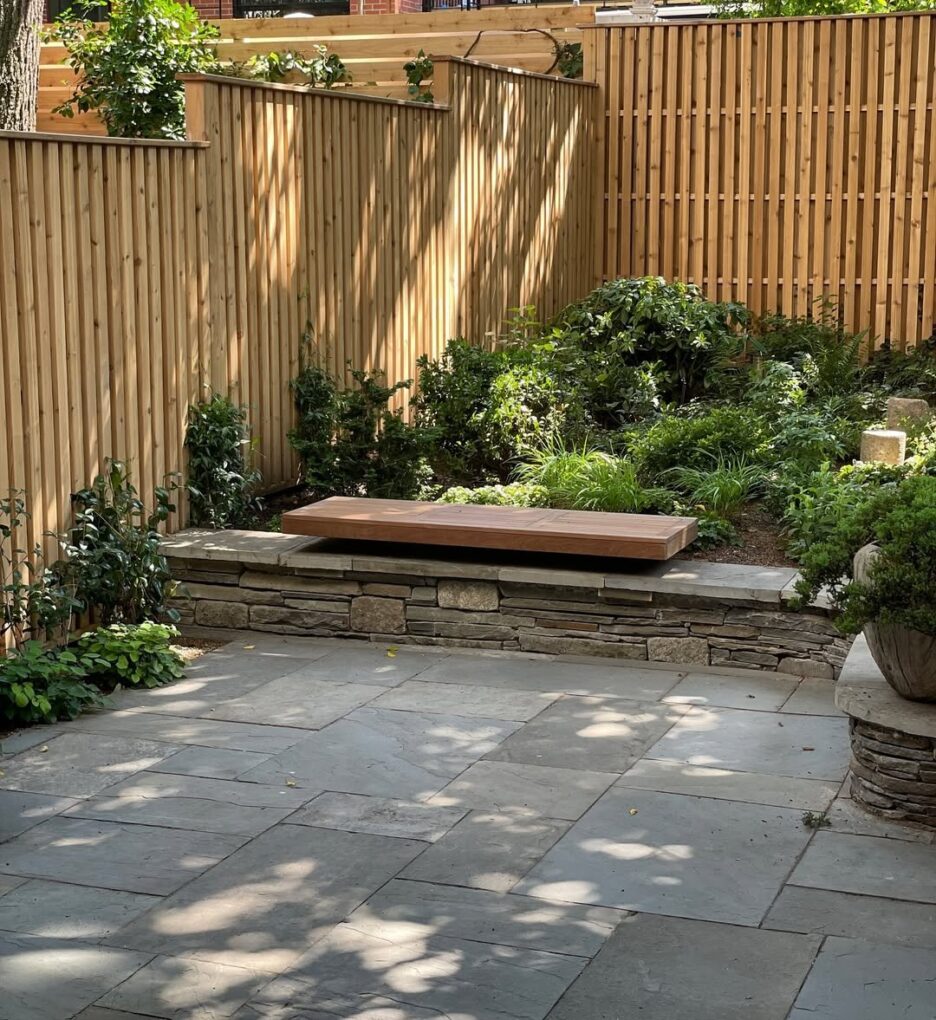
Wabi-Sabi Stone Simplicity embraces the beauty of imperfection and the quiet dignity of age. Weathered stones, uneven surfaces, and natural textures speak to a more profound sense of harmony that values authenticity over polish. This approach creates a grounded, timeless atmosphere where each element feels intentional yet unrefined. It’s a reminder that serenity often lies in what’s understated and honest.
6. Blossom Focal Point
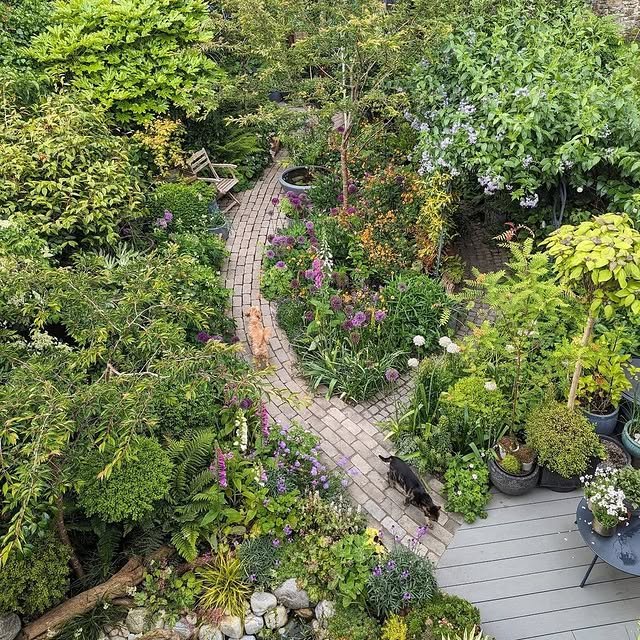
Blossom Focal Point brings color and seasonal magic to the garden’s serene palette. Whether it’s a flowering cherry, azalea, or plum, these blooms draw the eye and create a moment of drama amid the calm. Their fleeting beauty adds emotional depth, reminding us to pause and appreciate the present. Placed thoughtfully, they turn even the quietest corner into a living celebration.
7. Bamboo Wall Privacy
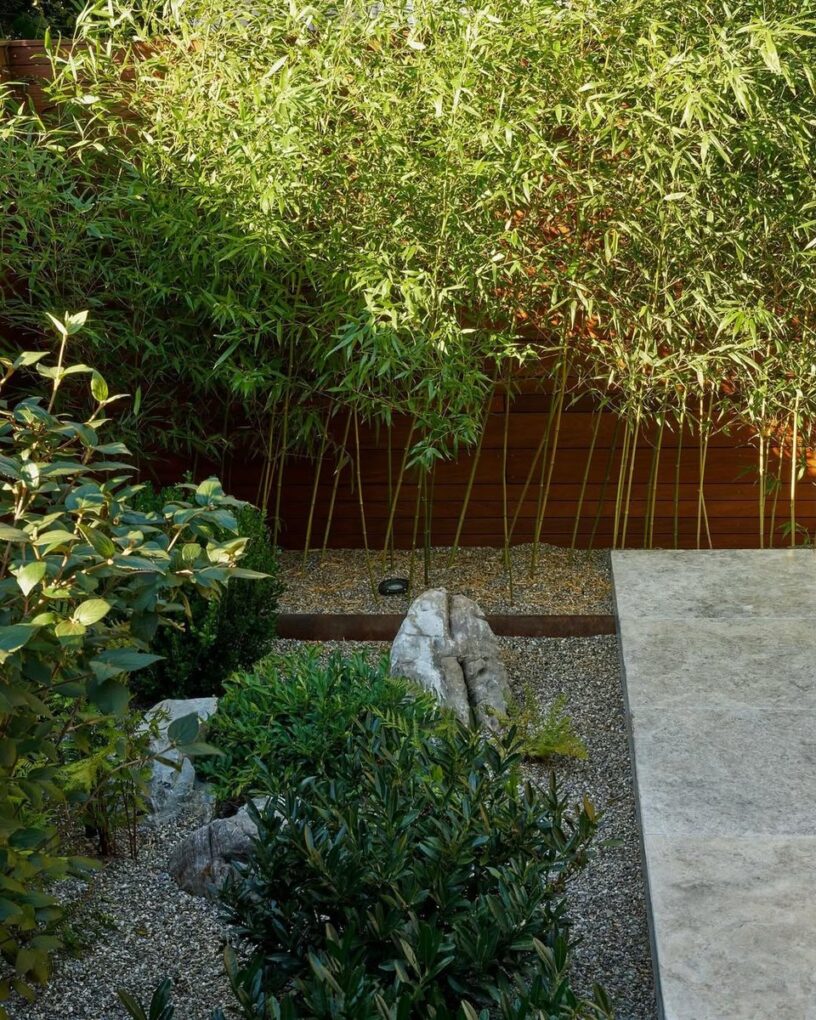
Bamboo Wall Privacy offers a graceful solution for creating separation without heaviness. The tall, slender stalks form a natural screen that sways gently with the breeze, adding movement and sound to the space. It creates a sense of seclusion while staying connected to nature, blending beauty with function. Perfect for framing pathways or sheltering quiet corners, bamboo brings softness to structured design.
8. Meandering Garden Walk
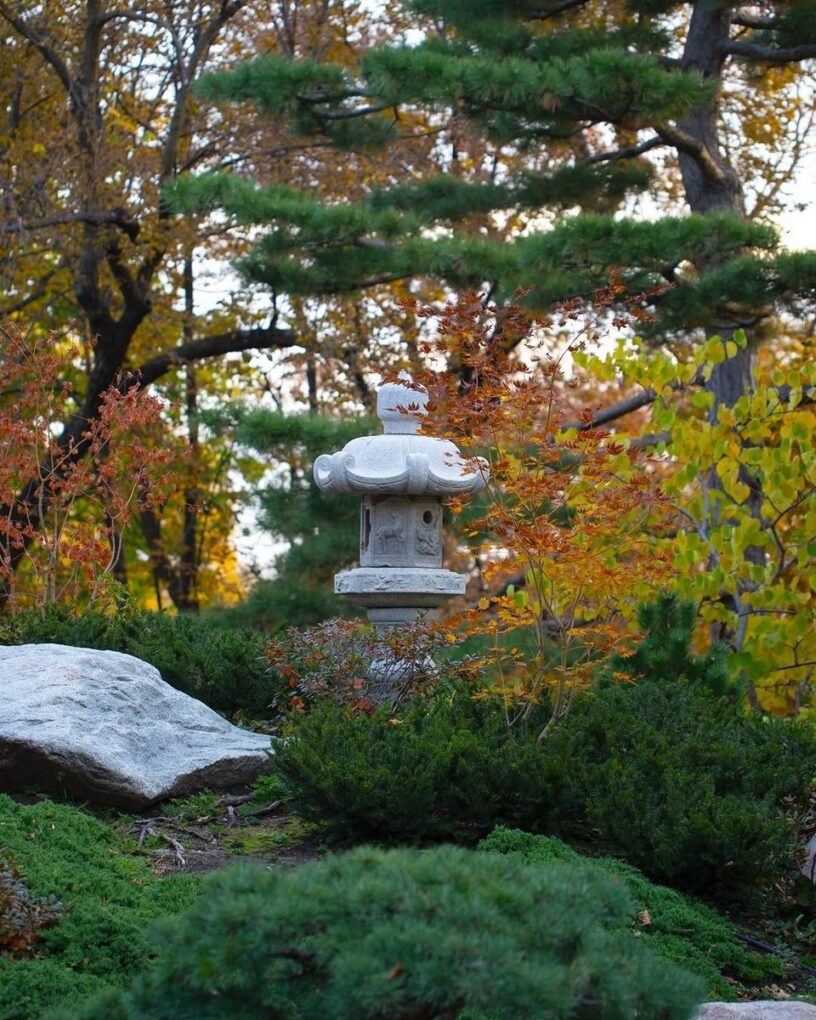
Meandering Garden Walk encourages a slow, thoughtful journey through the landscape. Unlike straight paths, its gentle curves invite exploration and reveal new views with every turn. This natural flow mirrors the rhythms of nature, creating a calming, immersive experience. It’s less about getting somewhere and more about enjoying the quiet moments.
9. Lush Moss Carpet
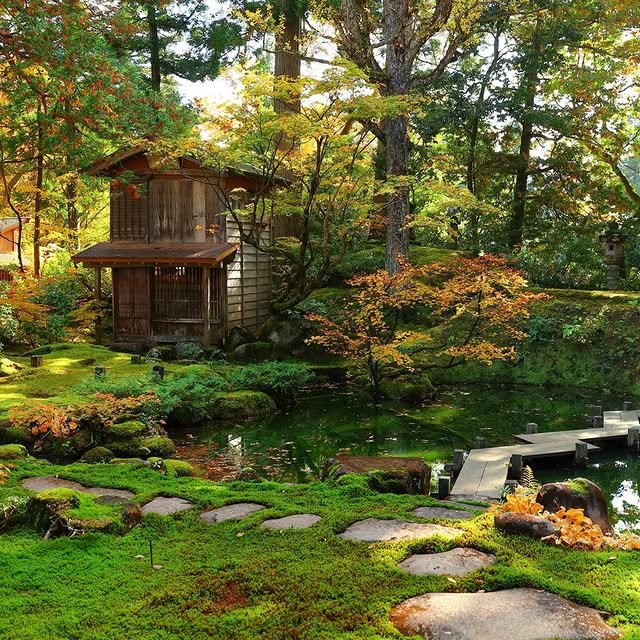
Lush Moss Carpet transforms the ground into a soft, living surface that quiets the entire garden. Its rich green tones and velvety texture bring a sense of calm, blurring the lines between paths, rocks, and plants. Moss thrives in shaded, moist areas, perfect for peaceful, low-maintenance corners. It’s a subtle yet powerful way to ground a space in serenity.
10. Mountain Stone Formations
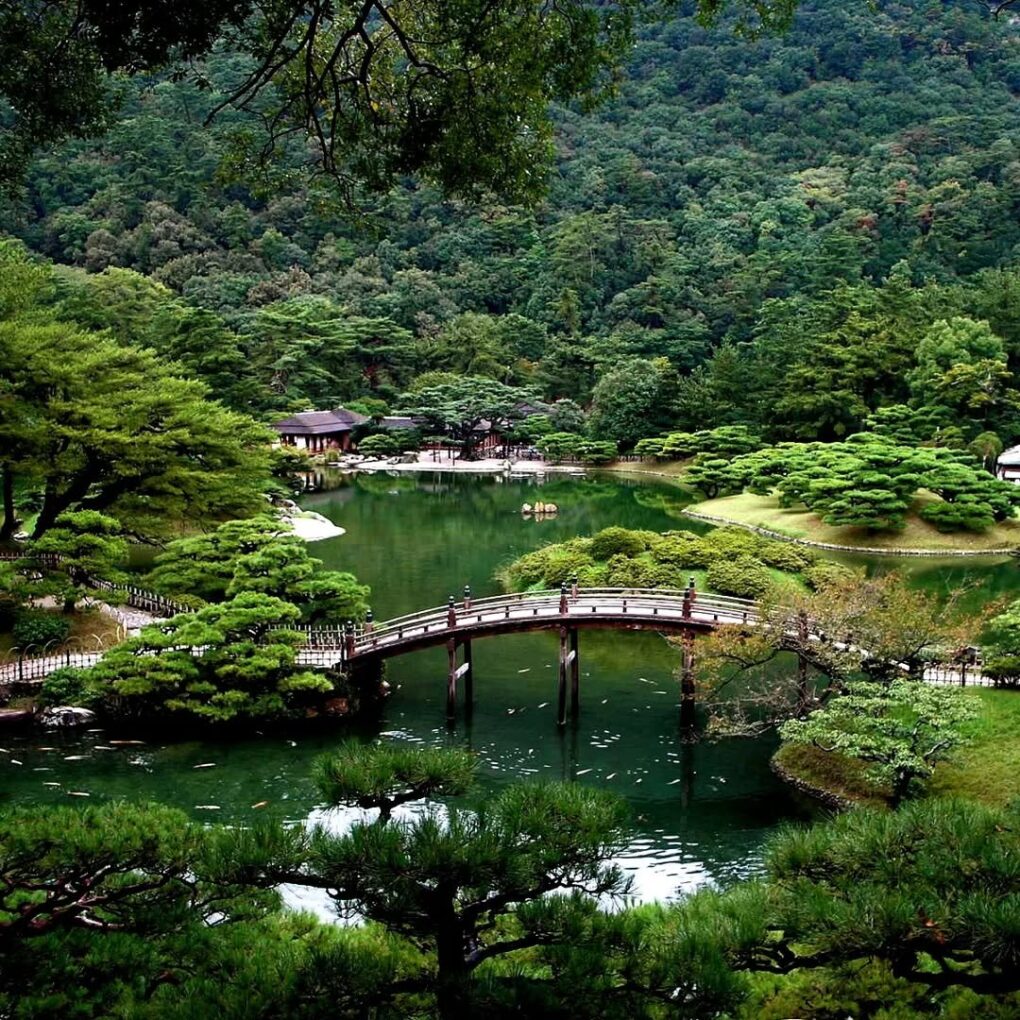
Mountain Stone Formations evoke the grandeur of distant landscapes in a scaled, meditative way. Carefully arranged stones rise like miniature peaks, creating a sense of depth and drama without overpowering the space. This technique captures the spirit of mountains—strength, permanence, and quiet awe—within the boundaries of a garden. It’s a powerful symbol of nature’s majesty, distilled into something intimate and still.
11. Torii Gate Welcome
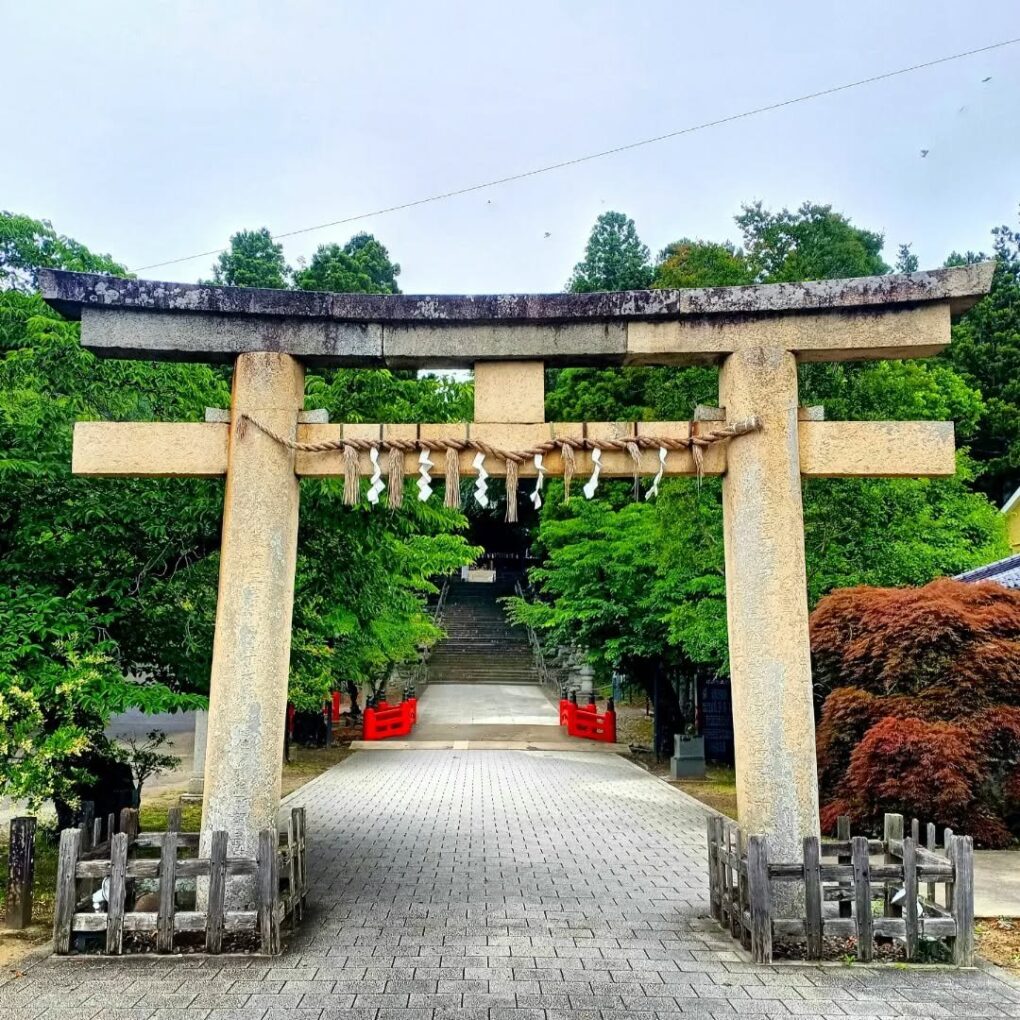
Torii Gate Welcome marks a symbolic threshold between the ordinary and the sacred. With its upright simplicity, the gate welcomes visitors into the garden, inviting reflection and setting a tone of quiet respect. Its presence is both architectural and spiritual, reminding visitors that what lies beyond is a space for peace. More than just an entrance, it’s an invitation to be fully present.
12. Still Water Reflections
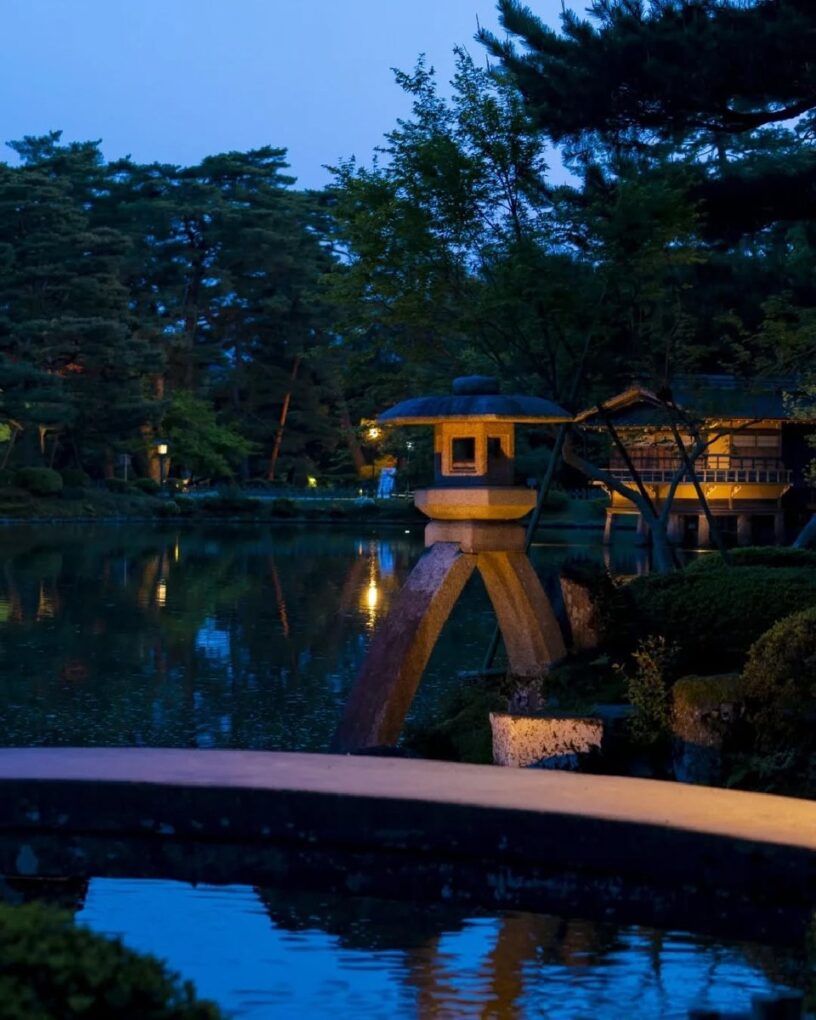
Still Water Reflections turn a garden’s calmest moments into visual poetry. A quiet pond or basin mirrors trees, lanterns, and sky, doubling their beauty and deepening the sense of space. The stillness invites contemplation, blurring the line between reality and reflection. It’s a gentle reminder that tranquility often lies just beneath the surface.
13. Fiery Maple Centerpiece
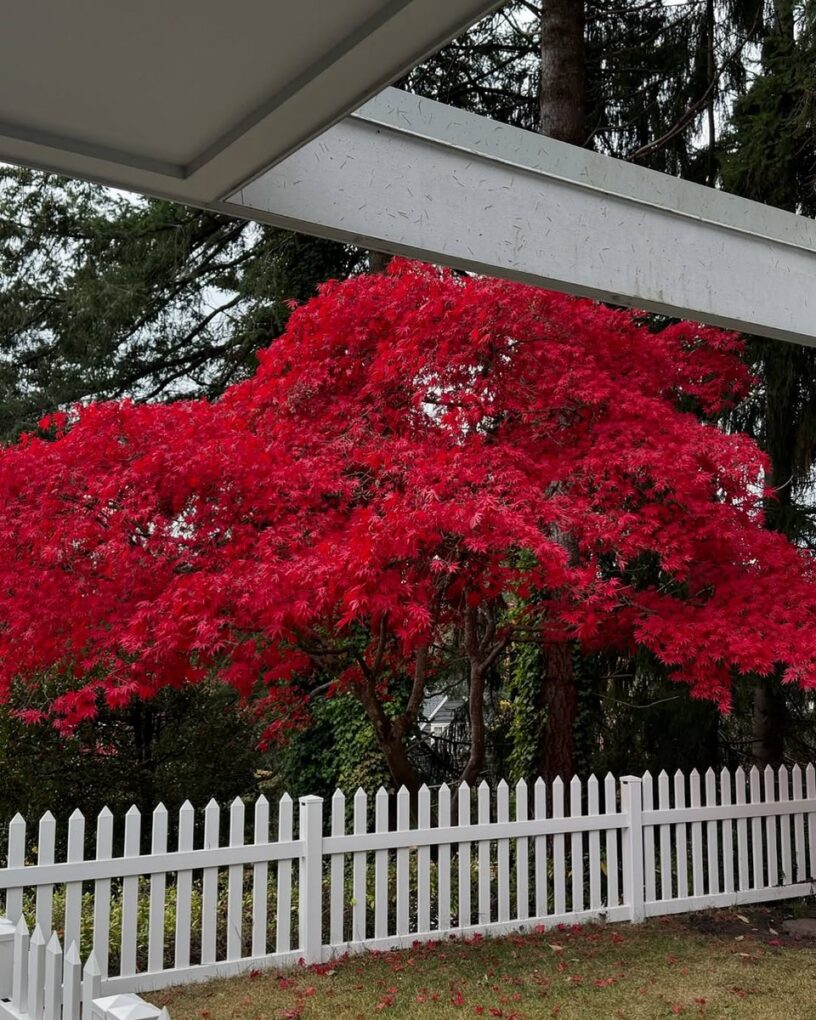
Fiery Maple Centerpiece brings striking seasonal contrast to the garden with its vivid red and orange foliage. As the centerpiece, the Japanese maple commands attention while feeling graceful and organic. Its changing colors mark time’s passage, adding drama and reflection to the space. In a quiet setting, its intensity celebrates nature’s fleeting beauty.
14. Climbing Bamboo Trellis
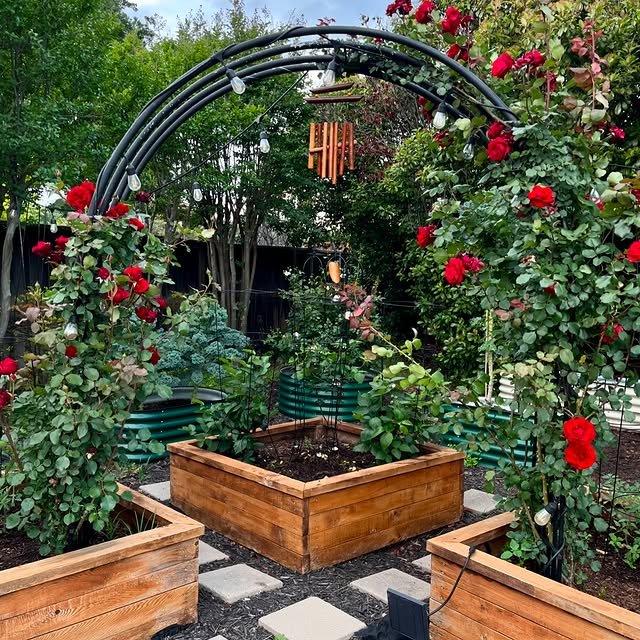
Climbing Bamboo Trellis adds vertical elegance and a sense of invitation to the garden. Whether supporting delicate vines or standing sculptural, it frames space without closing it off. The natural material blends seamlessly into the landscape, offering structure that feels light and alive. It’s a subtle way to draw the eye upward and create gentle transitions throughout the garden.
15. Stepping Stone Stream
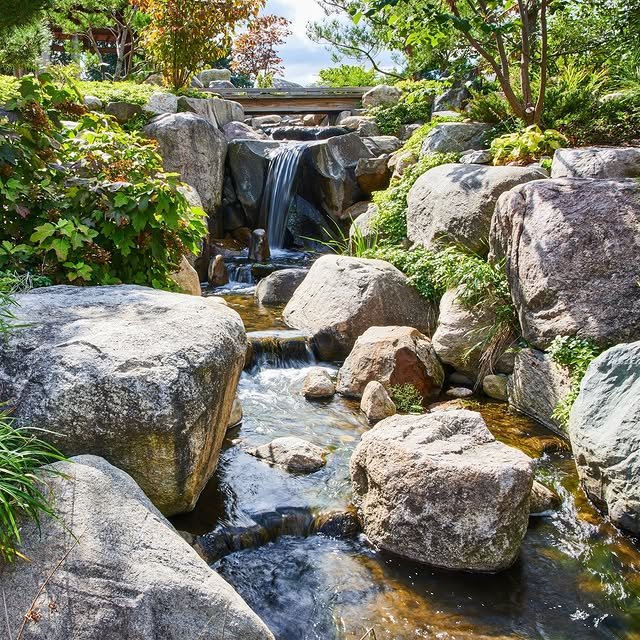
Stepping Stone Stream offers a graceful crossing that blends movement with stillness. Flat stones across gentle water create a path that feels intentional and organic, encouraging a slower, more mindful pace. The flowing water adds a soothing backdrop, and each step becomes a quiet ritual. It’s a classic feature that turns a simple crossing into a moment of calm.
16. Reflections by the Pavilion
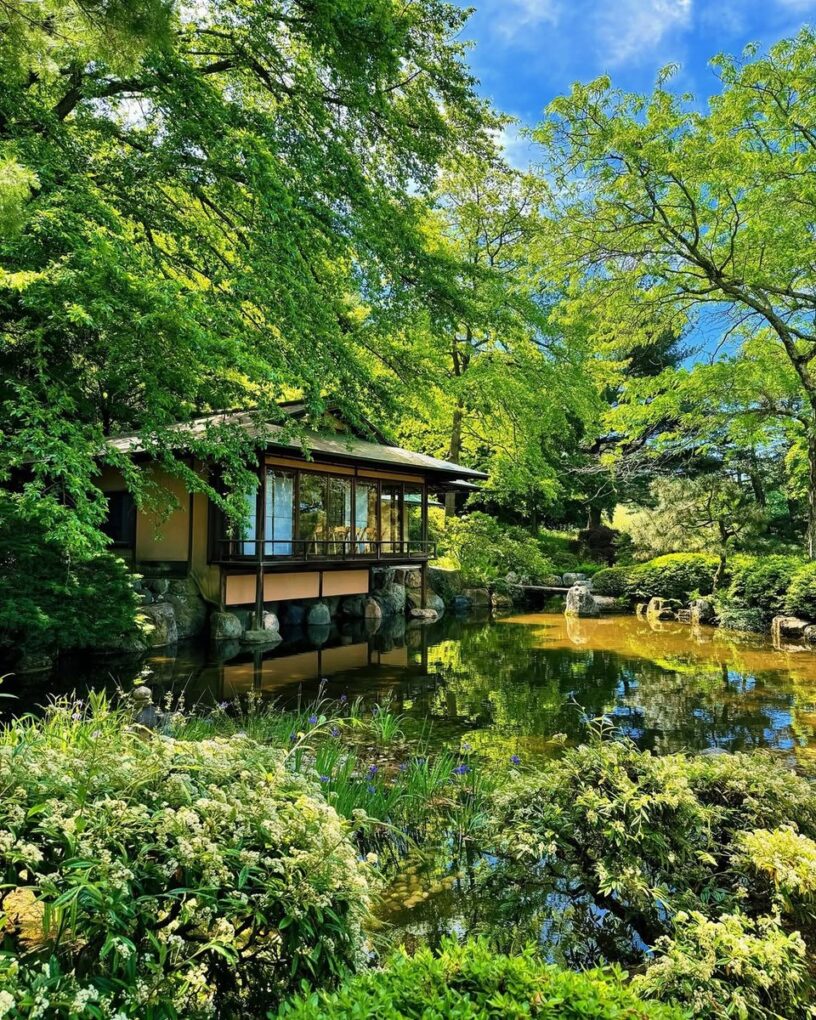
Reflections by the Pavilion captures the harmony between architecture and nature at its most tranquil. A wooden structure beside still water creates mirrored imagery that blurs the boundary between the built and the natural. Surrounded by foliage and calm, it becomes a peaceful retreat for both body and mind. The reflection deepens the space, adding quiet drama without a single word.
17. Hidden Sitting Nook
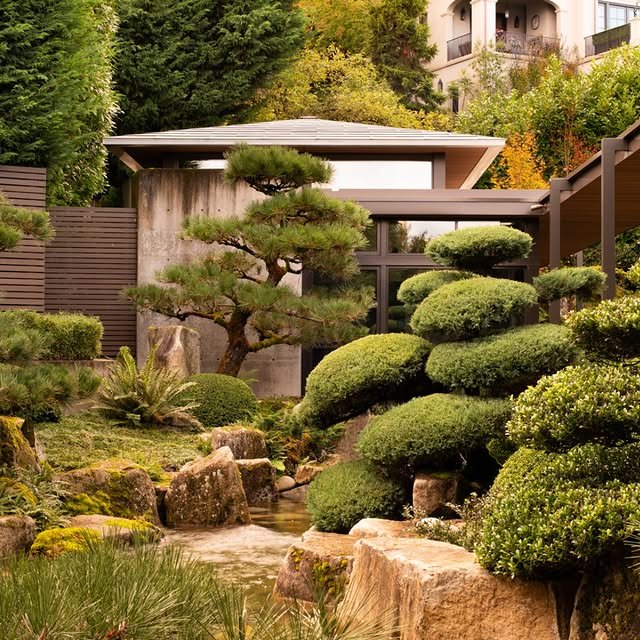
Hidden Sitting Nook offers a quiet refuge from the garden’s main paths. Framed by greenery and stone, it invites solitude without demanding attention—perfect for reading, meditating, or simply being still. The sense of enclosure adds comfort, while the surrounding nature softens the edges. It’s a slight, intentional pause in the flow of the landscape.
18. Floating Stone Walkway
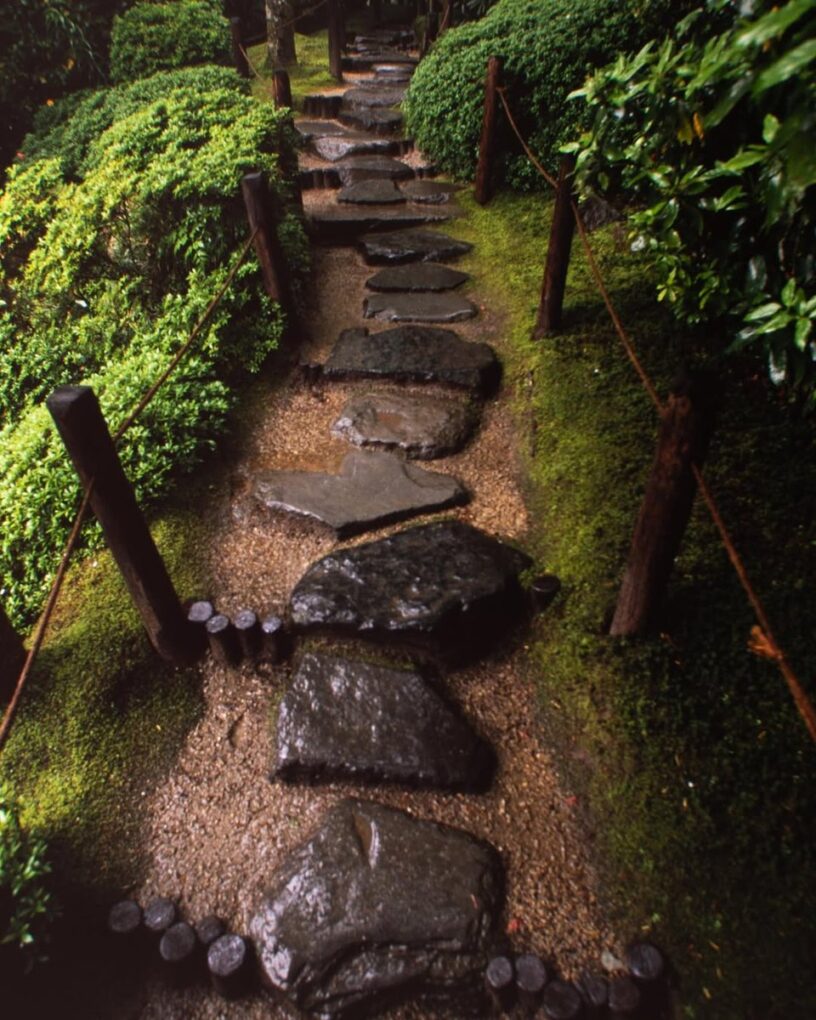
The Floating Stone Walkway creates the illusion of weightlessness, as flat stones appear to hover just above the earth or water. Each step feels deliberate, inviting slow movement and heightened awareness of the surrounding textures. The spaces between stones allow nature to weave through, blending structure with softness. It’s a subtle way to turn a straightforward path into a meditative experience.
19. Winding Stone Stairs
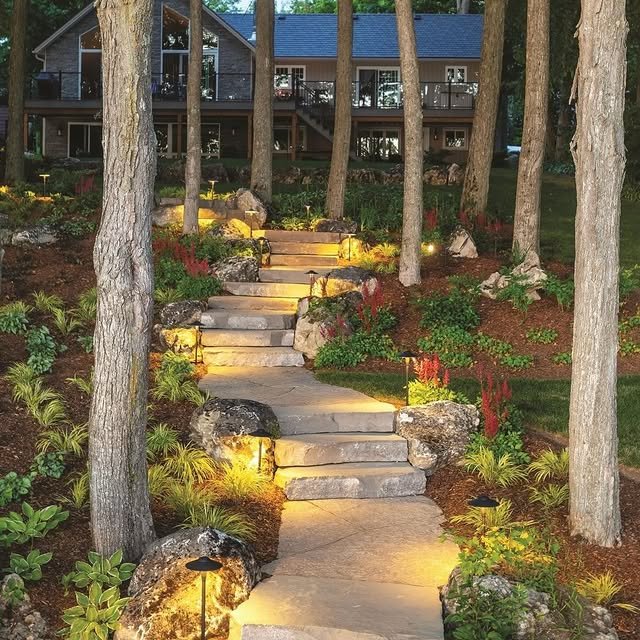
Winding Stone Stairs lead the eye—and the body—gently upward through the garden’s changing layers. With each turn, they reveal new views and textures, creating a sense of discovery. The irregular shapes and natural materials make the ascent feel grounded and organic. More than just a means to climb, they offer a moment-to-moment connection with the landscape.
20. Wood-Edged Courtyard
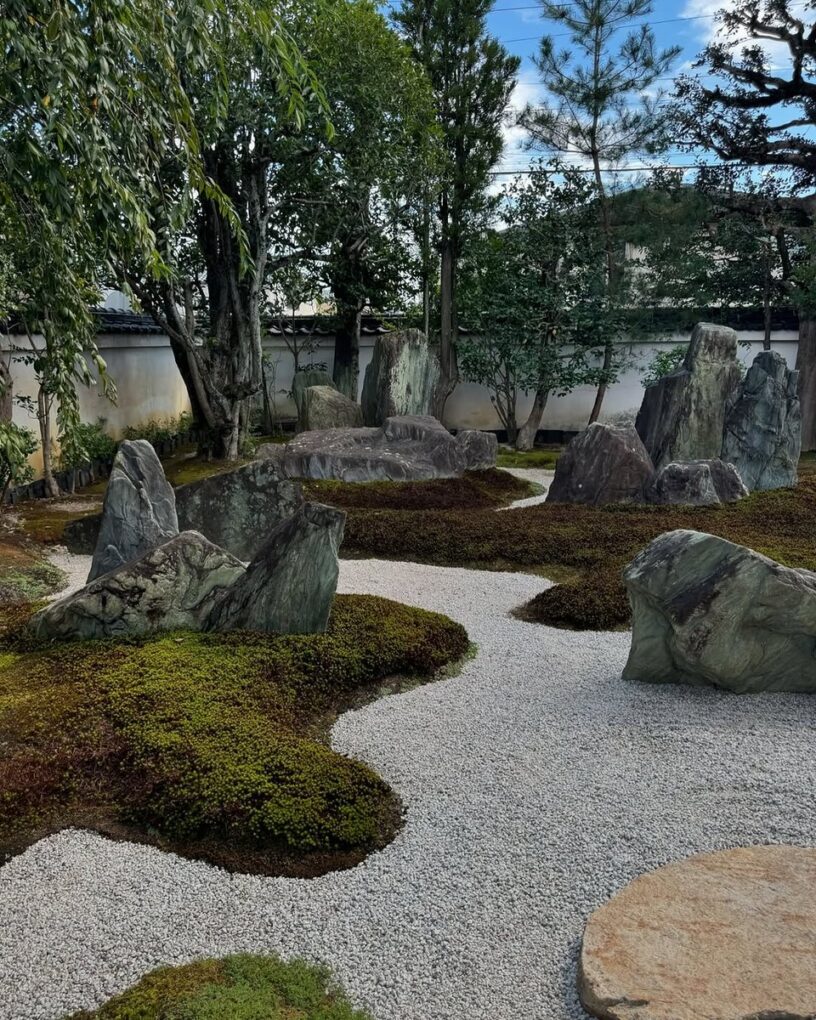
Wood-edged courtyard blends natural structure with open space to create a tranquil, balanced retreat. Wood elements, decking, framing, or fencing warm the minimalist gravel or stone ground with texture and tone. This contrast between soft and hard surfaces encourages calm and clarity. It’s a simple, elegant setting that invites quiet reflection at the heart of the garden.
21. Asymmetrical Plant Flow
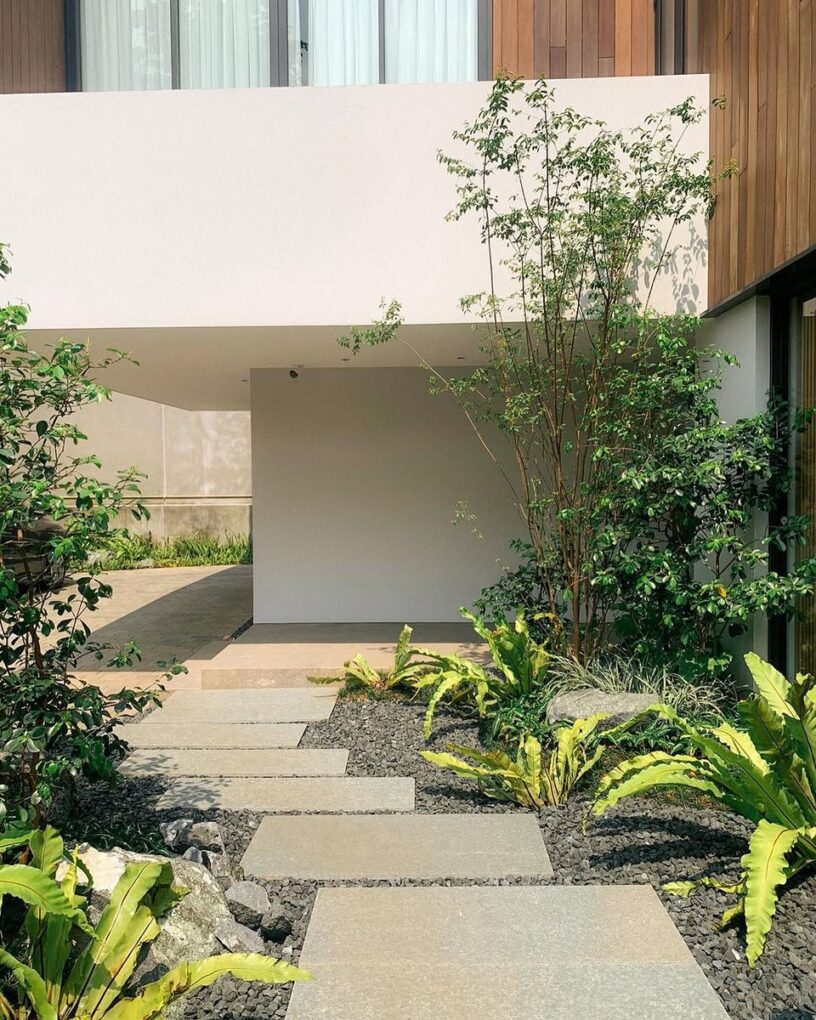
Asymmetrical Plant Flow embraces nature’s unstructured rhythm, layering plants effortlessly yet intentionally. Varying heights, textures, and densities create a sense of movement, guiding the eye without rigid formality. This design principle mirrors the wild beauty of natural landscapes while keeping a subtle sense of balance. It’s a quiet reminder that harmony doesn’t always mean symmetry.