
20 Oriental Garden Inspirations for a Serene Space: Nature’s Harmony
There’s something undeniably calming about stepping into an Oriental-inspired garden. With its thoughtful balance of elements—flowing water, smooth stones, sculpted plants, and elegant structures—it’s a style that encourages you to slow down and take a breath. Whether you’re working with a large backyard or a small outdoor nook, these ideas will help you bring a touch of serenity and timeless beauty to your space.
Table of Contents
1. Sculpted Layers and Curved Flow

Sculpted layers and curved flow shape the garden into a tranquil journey, guiding movement through soft elevation changes and rounded edges. Carefully placed shrubs and trees create depth without clutter, while gently winding paths mimic the natural rhythms. This design approach invites exploration and reflection, embracing the balance and harmony central to Oriental garden aesthetics.
2. Tranquility in Texture
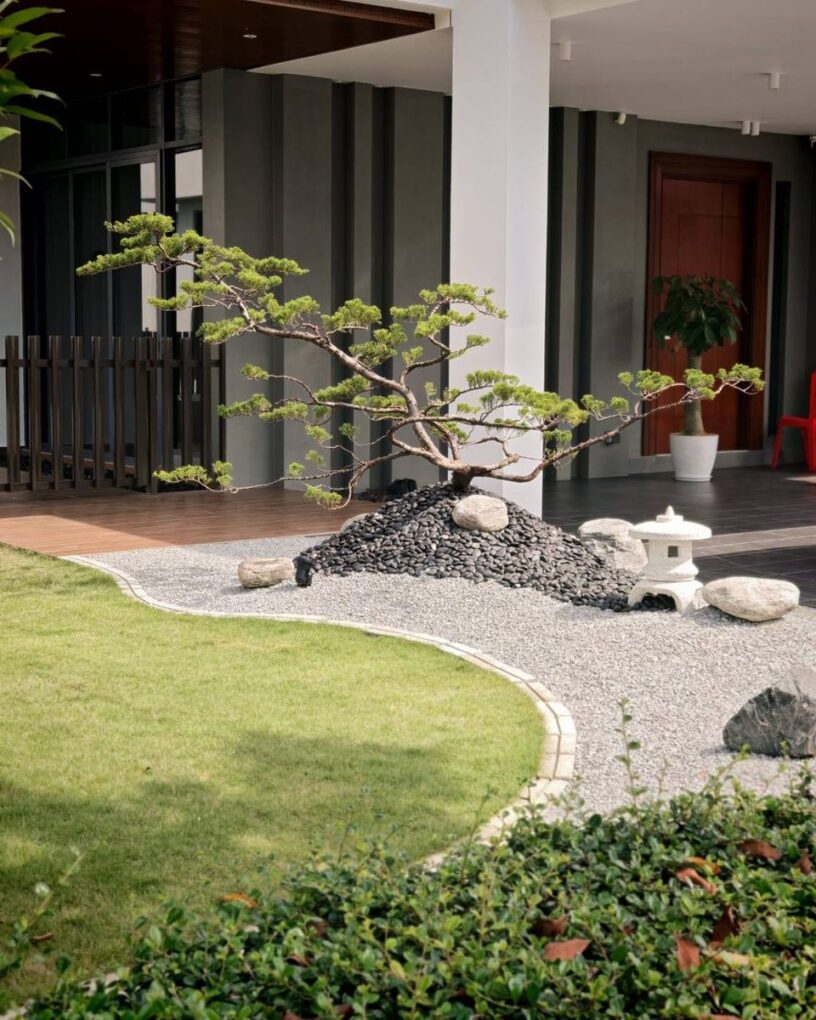
Tranquility in texture emerges through the thoughtful layering of natural surfaces—gravel, moss, stone, and foliage—that engage the senses without overwhelming them. Each element adds quiet richness, creating a garden that feels calm and grounded. This subtle interplay of textures reflects the essence of Oriental design: peaceful, balanced, and deeply connected to nature.
3. Floating Steps of Stillness
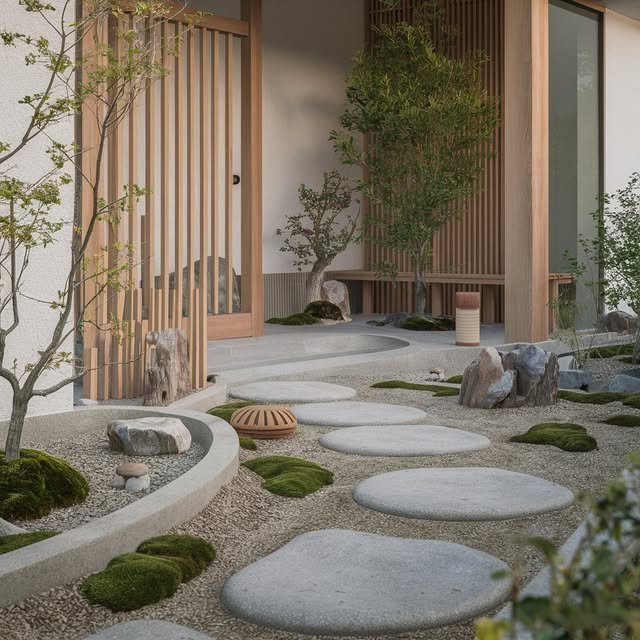
Floating steps of stillness guide the visitor through the garden with quiet intention, each stone appearing to hover above gravel or moss. This design slows the pace, encouraging mindfulness with every step. By embracing space and asymmetry, the path becomes more than a walkway—it becomes a contemplative experience rooted in the simplicity of Oriental garden philosophy.
4. Sculpted Simplicity

Sculpted simplicity is about shaping nature with restraint and intention, where every form feels purposeful yet understated. Pruned trees, such as espaliered or cloud-pruned pines, offer structure without overpowering the space, bringing order to the organic landscape. This minimalist approach highlights balance, quiet beauty, and the elegance of subtle control, core values in Japanese garden aesthetics.
5. A Crossing of Calm
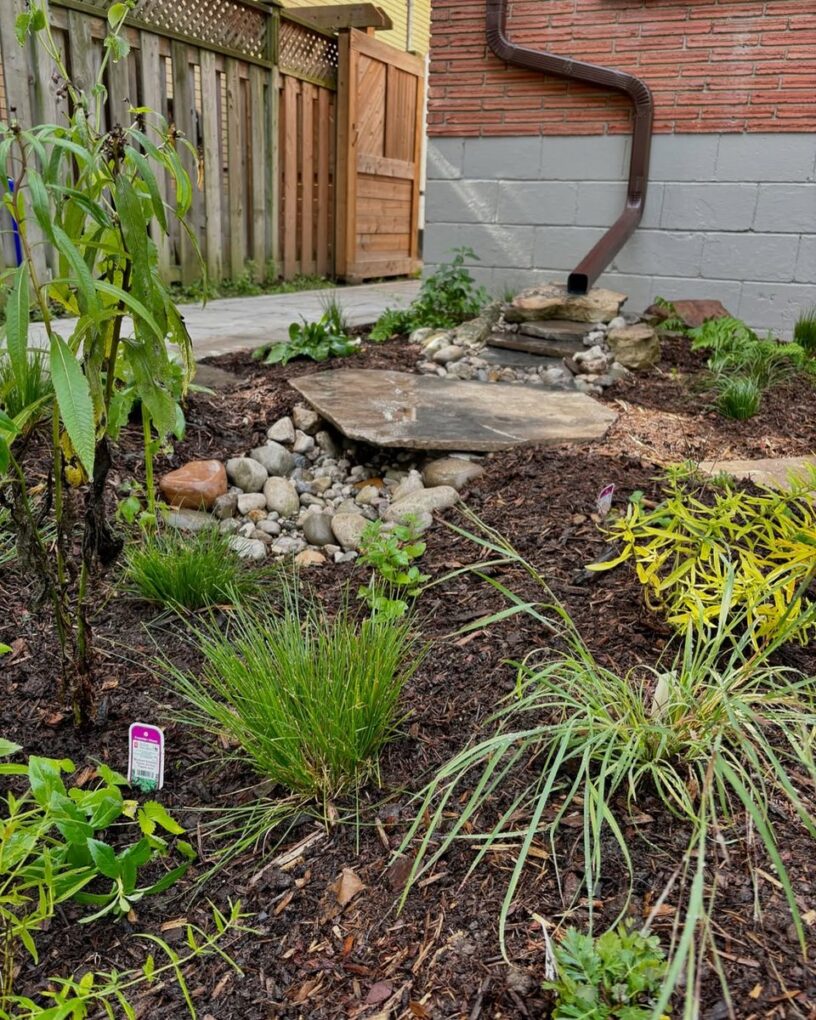
A crossing of calm appears in the form of a simple bridge—often stone or wood—spanning a dry stream or shallow basin. It marks a gentle transition, encouraging reflection and pause as one moves through the garden. In Oriental design, such bridges symbolize both physical and spiritual passage, blending utility with quiet beauty.
6. Stones with Soul
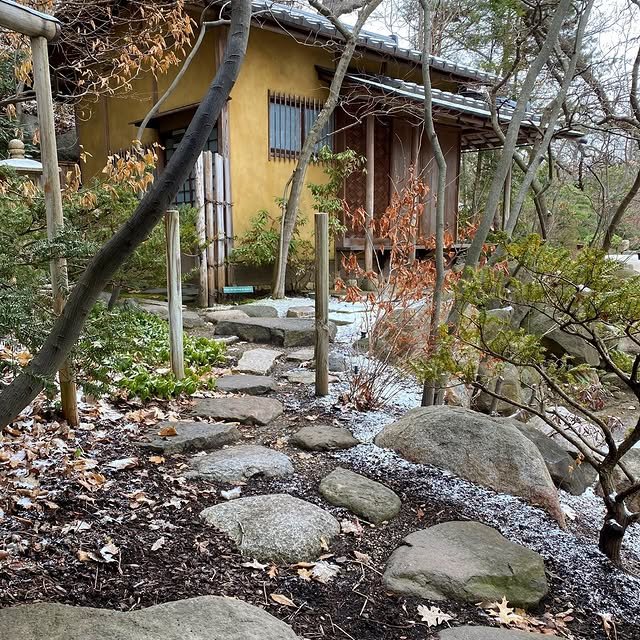
Stones with soul are the grounding force of an Oriental garden, placed with deep intention to reflect nature’s quiet strength. Each rock carries symbolic weight—evoking mountains, islands, or the passage of time—and contributes to the garden’s sense of permanence and calm. Their weathered surfaces and irregular forms celebrate imperfection, creating a serene dialogue between stillness and presence.
7. Living Symbols of Peace
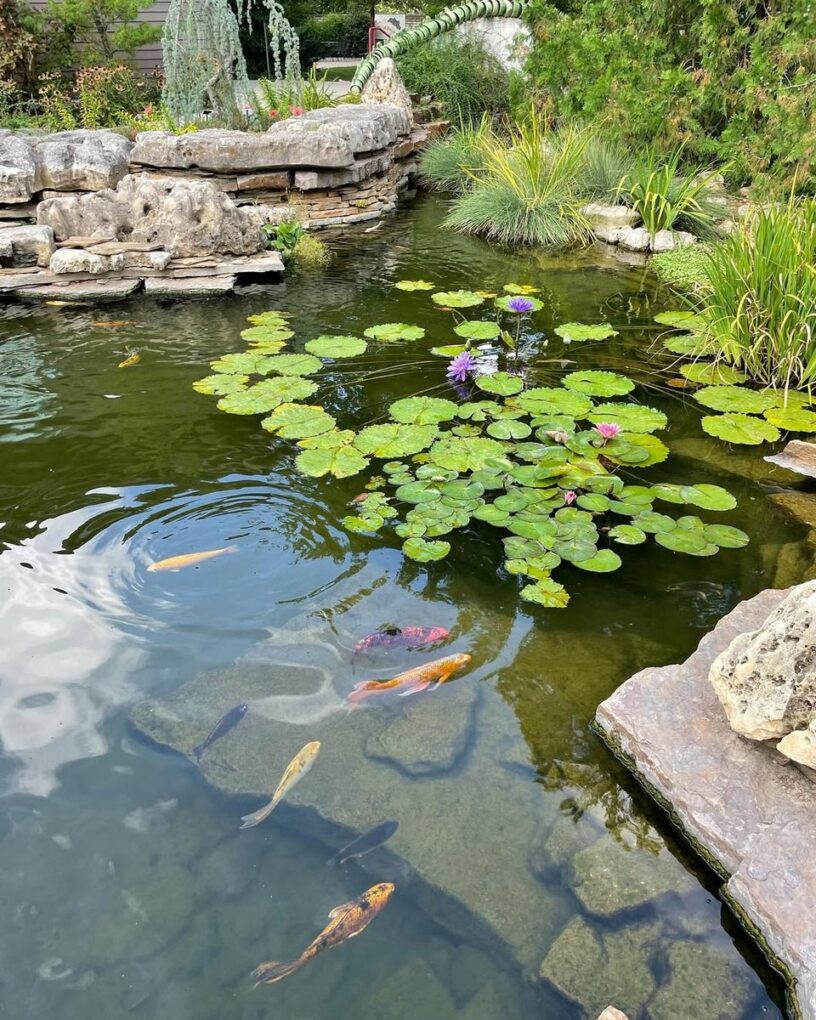
Living symbols of peace, koi ponds with water lilies unite movement and stillness in perfect balance—a hallmark of Oriental garden design. As one of the most iconic features in Japanese and Chinese landscapes, they embody prosperity, harmony, and quiet reflection. The koi glide gracefully beneath the surface, representing strength and endurance, while the lilies bloom gently above, adding a touch of seasonal beauty and calm.
8. Modern Calm with Bamboo Flow

Modern calm with bamboo flow blends traditional materials with contemporary design, creating a serene focal point rooted in Japanese garden principles. A bamboo spout delivers water in a steady, rhythmic stream, offering soothing sound and movement amid clean lines and sculptural simplicity. It’s a subtle yet powerful reminder that even in a modern setting, nature’s voice can remain gentle and grounding.
9. Moss Mirror Tranquility
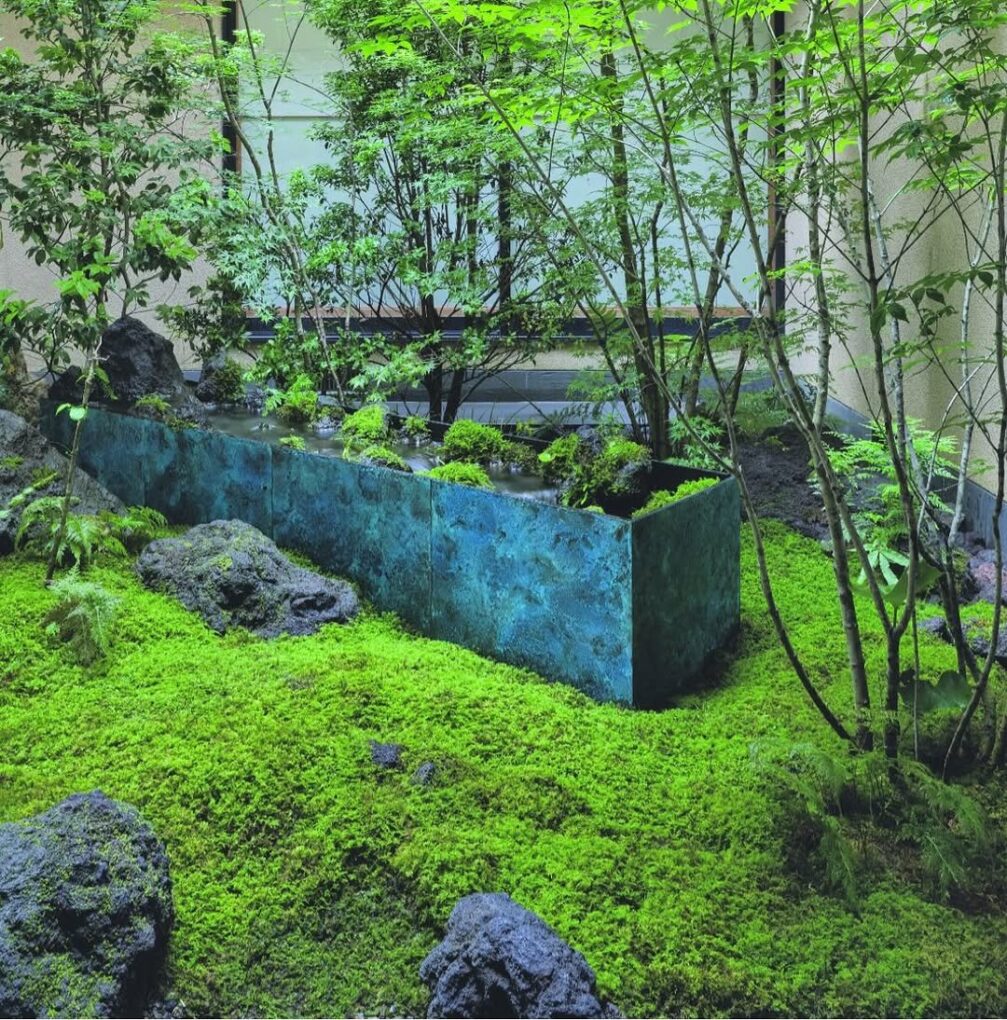
Moss mirror tranquility captures the stillness and depth that define traditional Japanese garden courtyards. A calm reflecting pool edged with soft moss and stone turns every detail into a mirrored meditation, inviting quiet observation and inward focus. This pairing of texture and reflection creates a timeless moment where nature and spirit seem perfectly aligned.
10. Hidden Cascade in a Woodland Garden
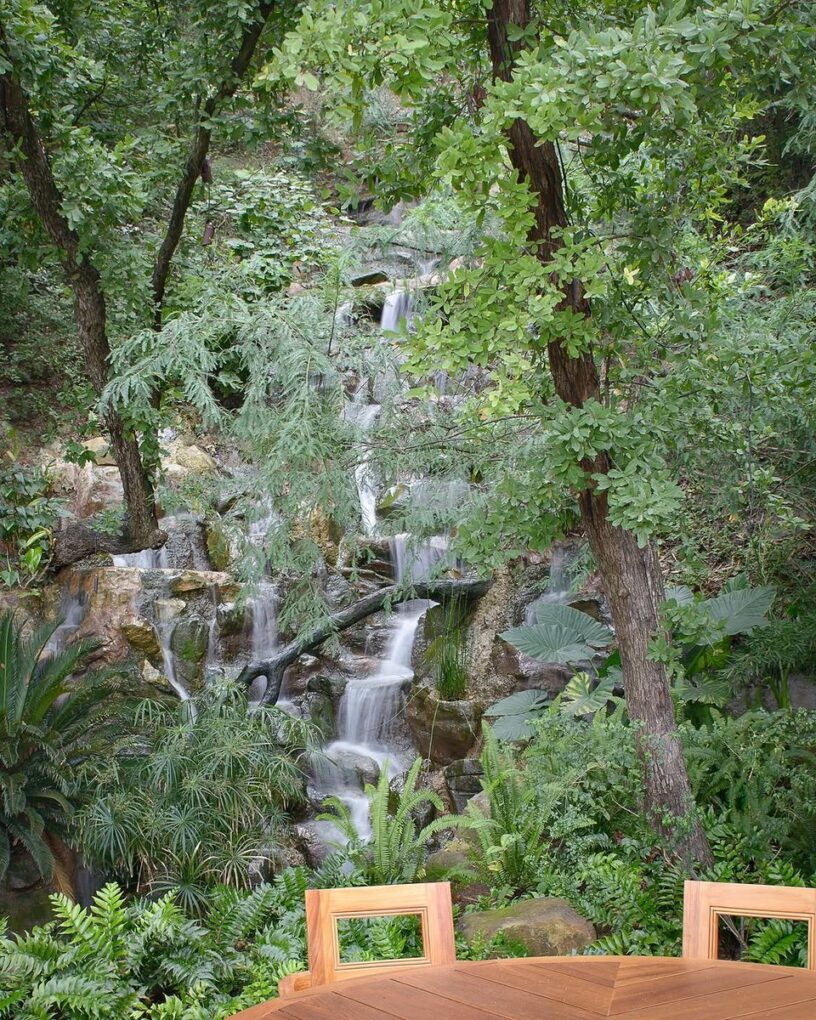
A hidden cascade in a woodland garden brings a sense of discovery and natural rhythm to the landscape, evoking a serene atmosphere. Soft water flows over weathered stones, partially veiled by foliage, creating a quiet soundtrack that enhances the feeling of retreat. This gentle, shaded waterfall captures the understated beauty of Oriental garden design, revealing serenity through what it softly conceals.
11. Reflections of Peace
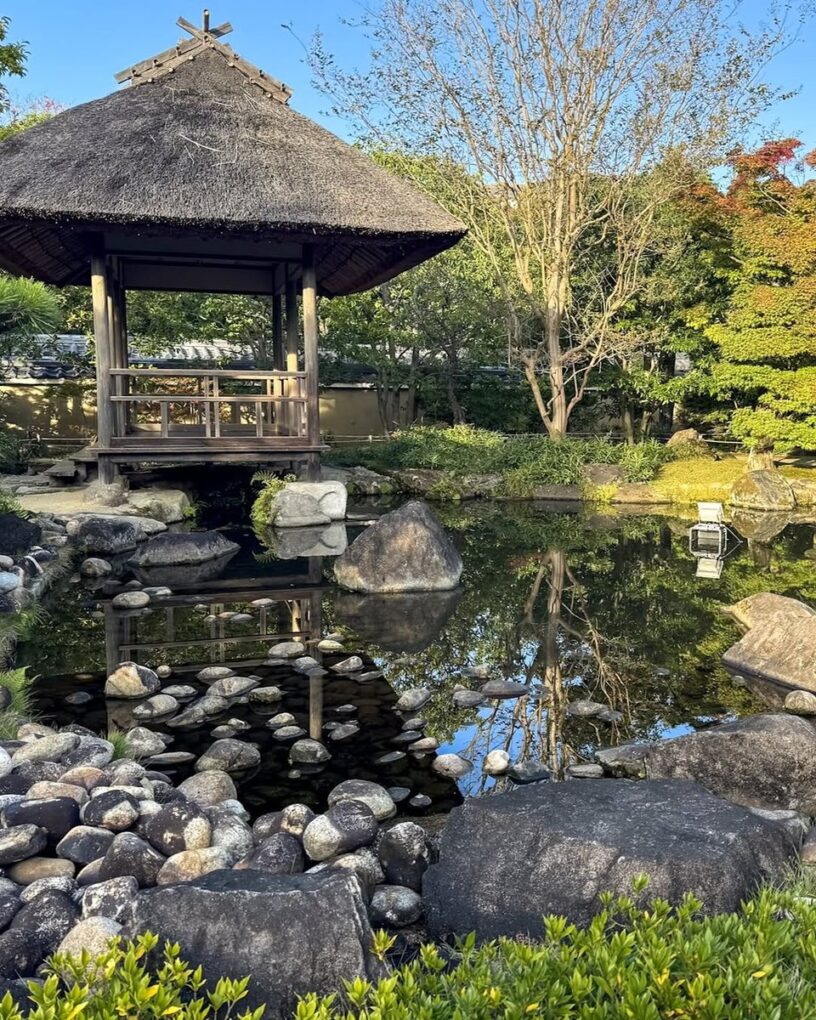
Reflections of peace emerge in a still pond that mirrors sky, trees, and carefully placed stones—a hallmark of Japanese garden serenity. The water’s surface acts as a canvas for nature, amplifying a sense of depth and calm while inviting quiet contemplation. It’s a space where every ripple and shadow contributes to the garden’s poetic balance.
12. Rain Chain Tranquility
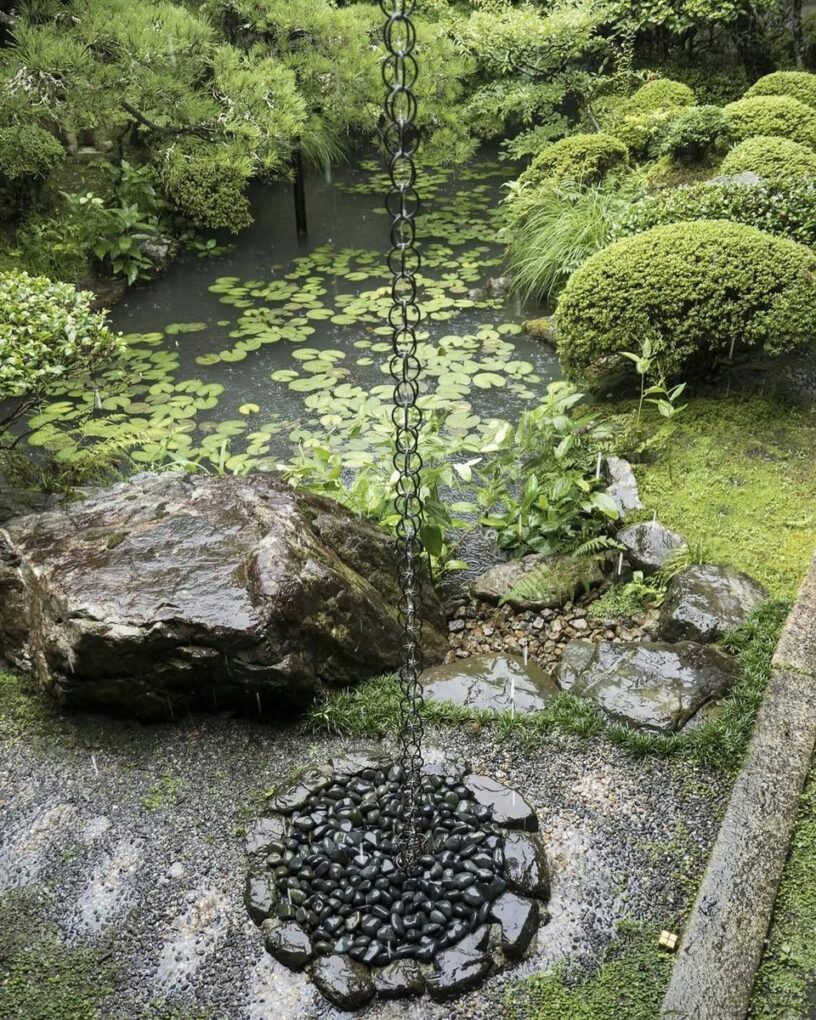
Rain chain tranquility transforms a functional element into a graceful, sensory experience rooted in Japanese tradition. As water travels down the delicate chain into a stone basin, it creates a soft, rhythmic sound that enhances the meditative atmosphere of the garden. It’s a quiet celebration of rainfall—natural, beautiful, and deeply calming.
13. Whispering Waters

Whispering waters flow gently over natural stones, creating a soft, continuous murmur that calms the senses and centers the mind. In Oriental garden design, sound is as important as sight, and a subtle cascade brings life and rhythm without disrupting the stillness. It’s a delicate balance of movement and quiet—a voice of nature speaking in hushed tones.
14. Living Sculpture in Form
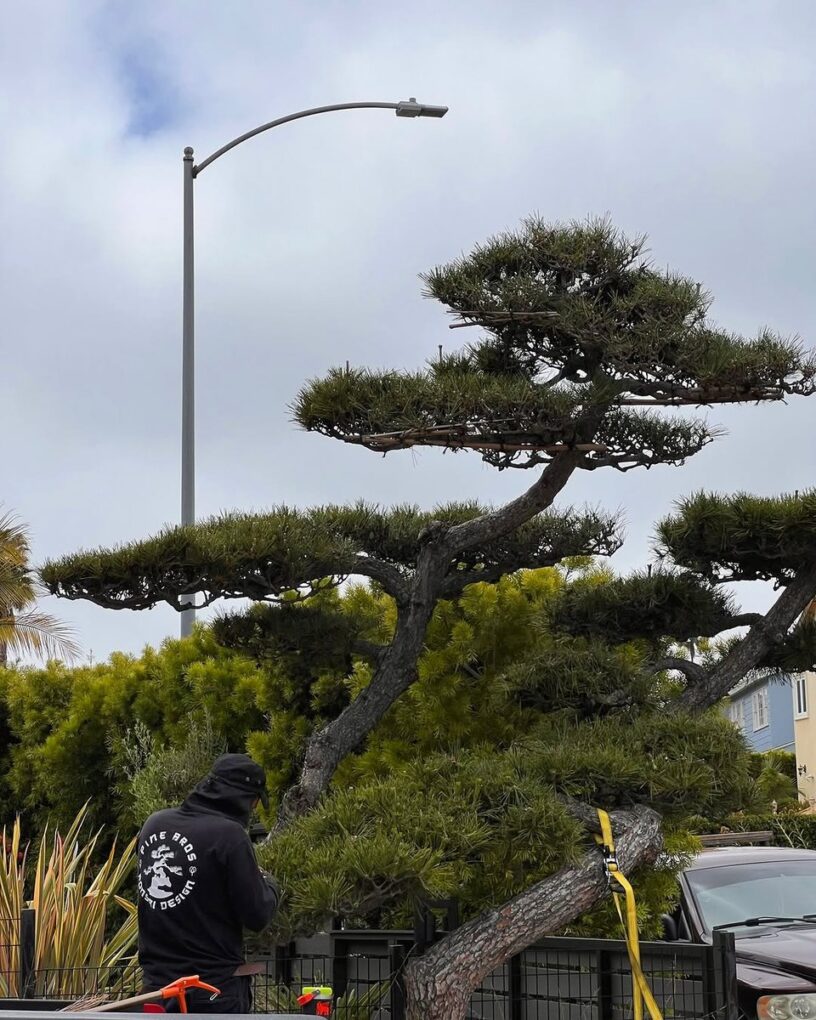
Living sculptures in form capture the artistry of carefully pruned trees, such as Japanese pines, shaped to reflect both natural beauty and disciplined craftsmanship. These sculpted forms provide structure and rhythm, guiding the eye through the garden while embodying the balance between control and wildness. Each branch and silhouette becomes a quiet expression of harmony, tradition, and time.
15. Sculpted Flame of Autumn

The sculpted flame of autumn captures the fiery brilliance of Japanese maples as they burst into seasonal color. With their delicate, layered leaves and dramatic branching, these trees become living focal points, highlighting the beauty of change and impermanence. Their presence brings both warmth and elegance, anchoring the garden in a moment of fleeting yet unforgettable grace.
16. Bamboo Grove Escape
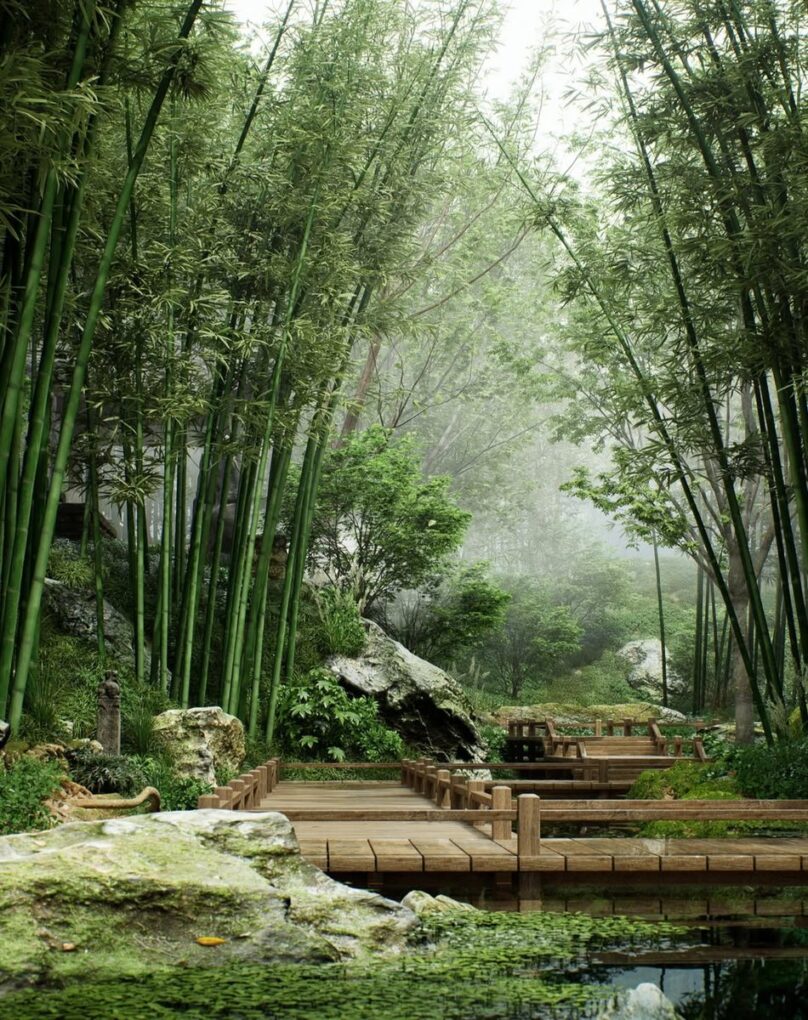
Bamboo grove escape offers a natural retreat defined by rustling leaves, filtered light, and rhythmic vertical lines. In Oriental garden design, bamboo symbolizes strength, flexibility, and tranquility, creating a serene enclosure that feels both open and protected. Walking through its soft canopy evokes a sense of calm detachment, like stepping into a quieter world just beyond the everyday.
17. Ephemeral Blossoms in Bloom
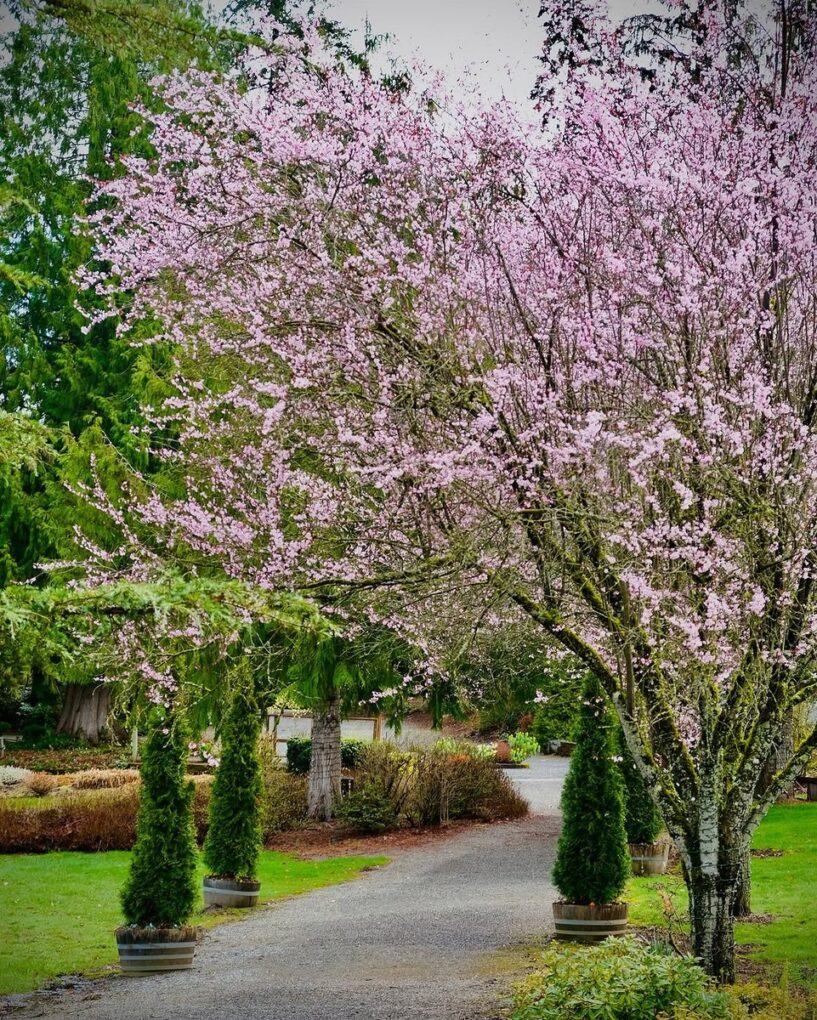
Ephemeral blossoms, such as those of cherry or plum trees, mark the fleeting beauty of spring in Oriental garden tradition. Their delicate petals fall like confetti on stone paths and still ponds, inviting reflection on the impermanence of life. Celebrated for centuries in Japanese and Chinese landscapes, these trees turn the garden into a poetic moment that lingers in memory even after the last bloom fades.
18. Blush of Spring Color
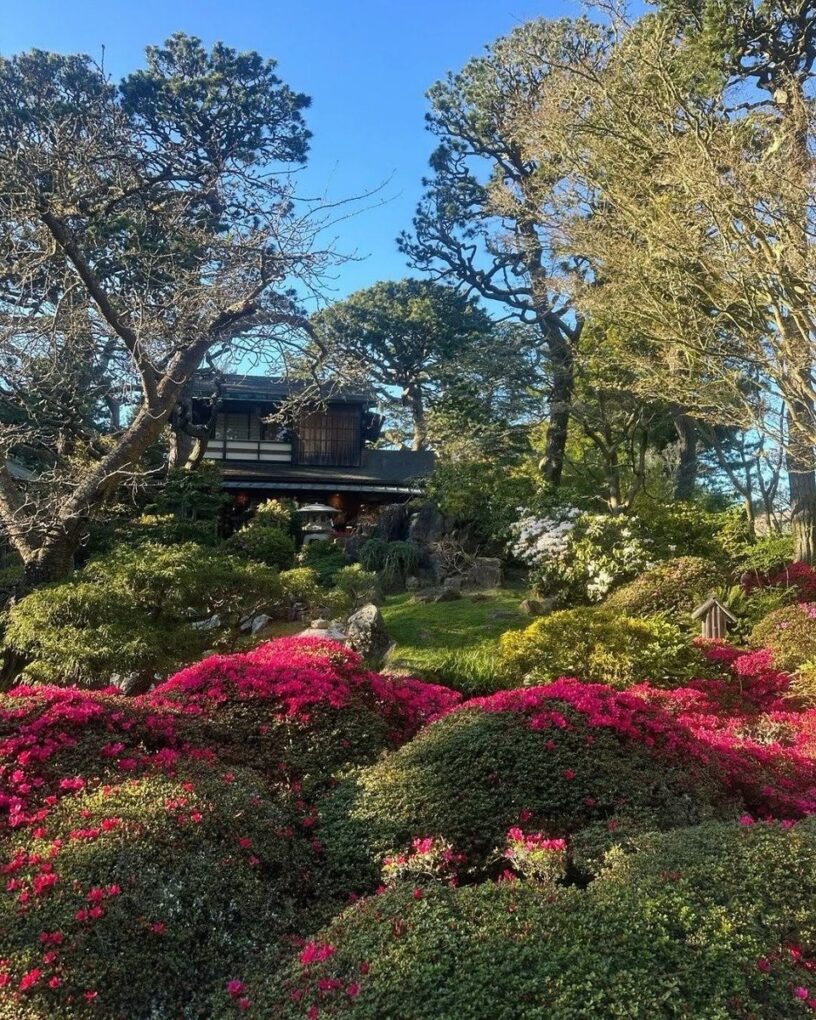
Blush of spring color unfolds through the vibrant blooms of azaleas and camellias, adding depth and drama to the tranquil palette of an Oriental garden. These flowering shrubs create pockets of intensity that contrast beautifully with evergreen foliage and mossy textures. Their seasonal bursts are a reminder of nature’s rhythm—vivid, brief, and always in harmony with the garden’s quiet elegance.
19. Hanging Lanterns with Paper Shades
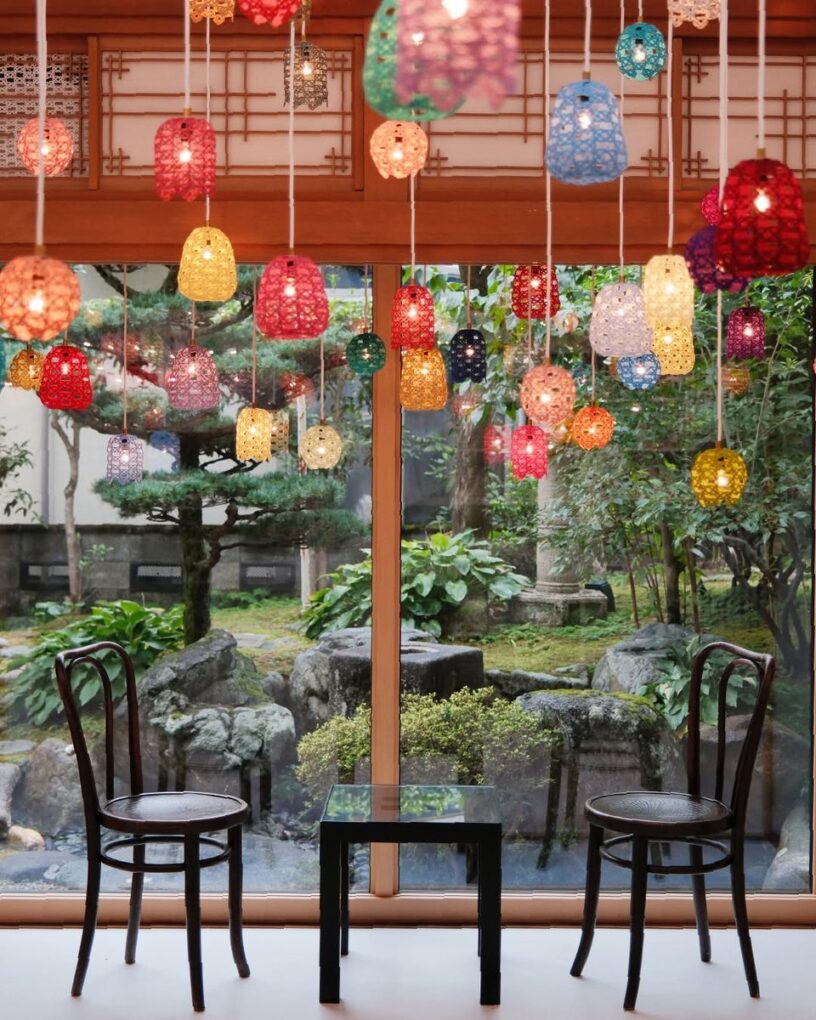
Hanging lanterns with paper shades bring a gentle glow to the garden, casting warm light that softens the transition from day to dusk. Rooted in Japanese and Chinese cultural traditions, these lanterns add both charm and symbolism, marking pathways, entryways, or seasonal celebrations with quiet beauty. Suspended among trees or architectural frames, they offer a serene and poetic ambiance.
20. Wind Chimes Tuned to Calming Notes
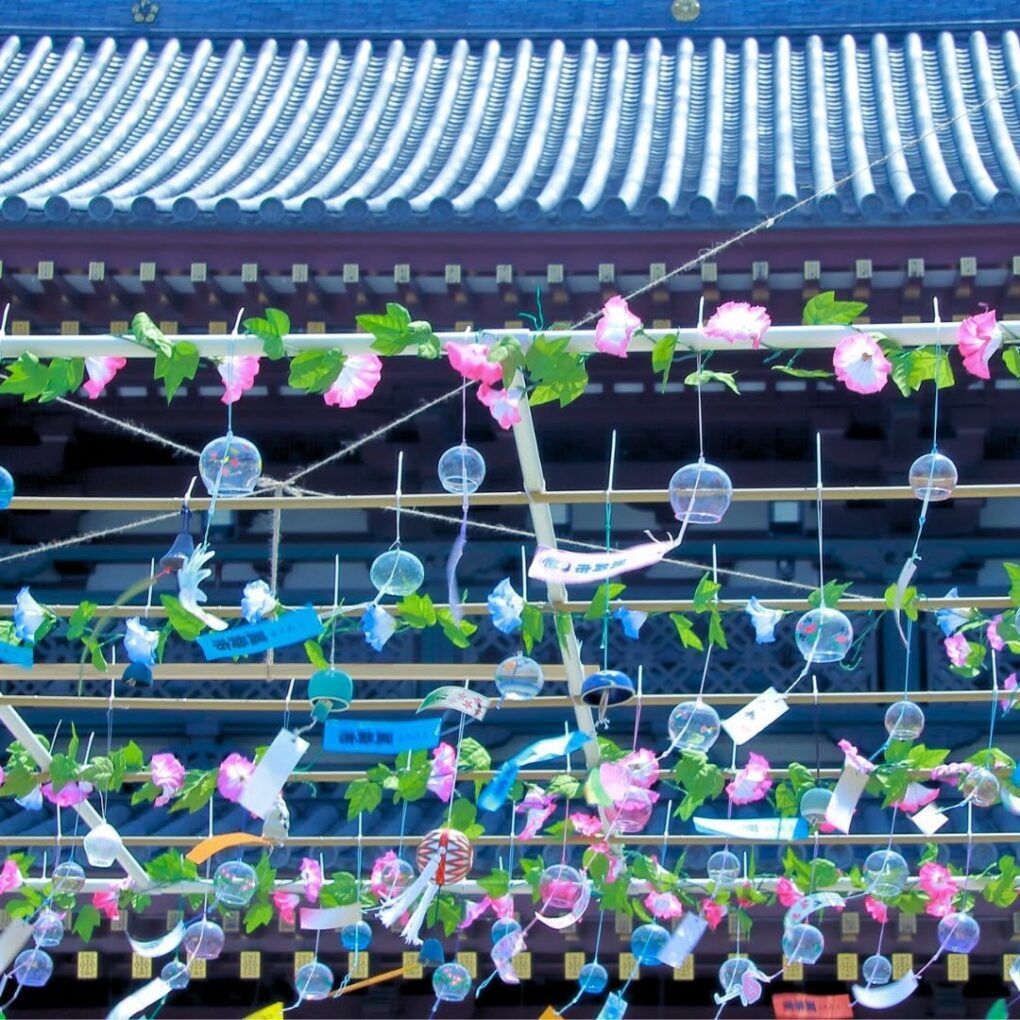
Wind chimes tuned to calming notes introduce a gentle melody that drifts through the garden with each breeze, enhancing the atmosphere of peace and presence. Oriental design employs sound sparingly yet purposefully, allowing these soft tones to remind us to slow down and listen with gentle care. Their placement in shaded corners or near entryways transforms passing wind into a moment of mindfulness.