
21 Creative Landscape Garden Ideas for Every Style: Lush and Lovely
Your outdoor space deserves more than a lawn and a few potted plants. With some creativity, you can transform any garden into a lush, inviting sanctuary that’s as beautiful as it is functional. Whether you love the look of a wildflower meadow, a sleek modern patio, or a cozy cottage garden, these landscape garden ideas offer plenty of inspiration to make your outdoor space feel like home.
Table of Contents
1. Lush Layered Borders
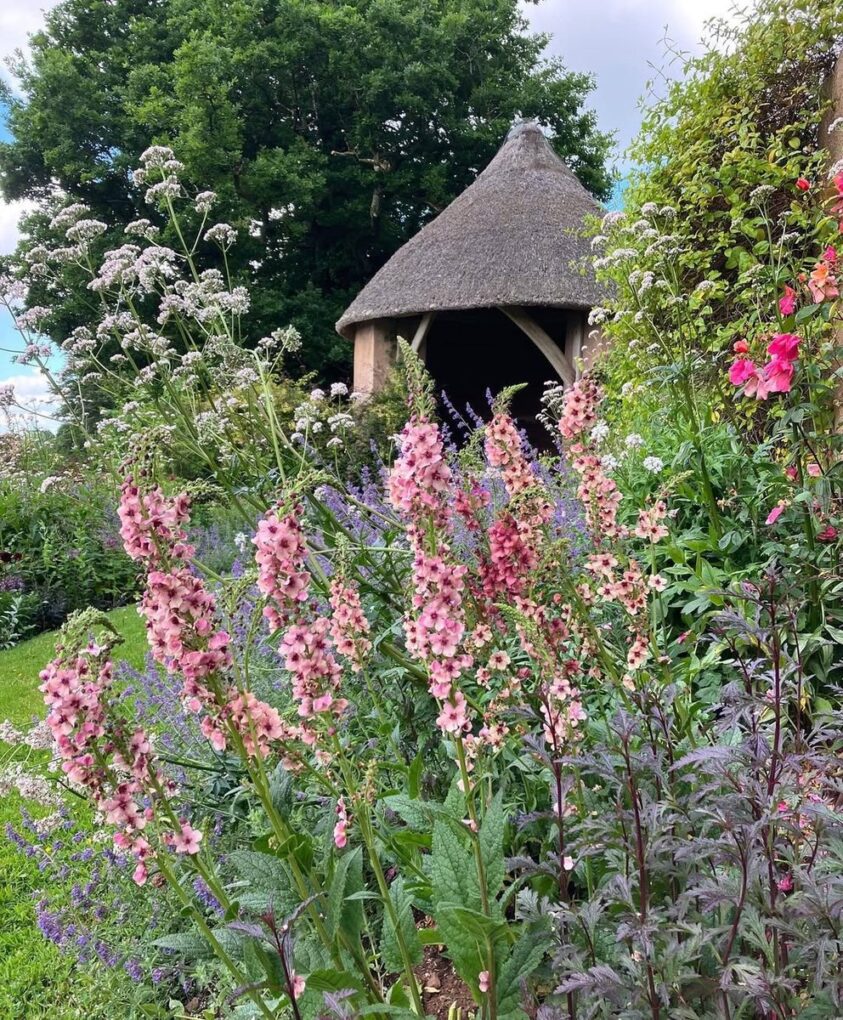
Lush, layered borders combine plants of varying heights, textures, and colors to create a rich, full garden bed that feels vibrant and alive. The key is to mix tall shrubs or perennials in the back, medium-height plants in the middle, and low-growing groundcovers up front, ensuring visual interest from every angle. Using various foliage shapes and flower forms makes the space feel dynamic and ever-changing throughout the seasons. This approach maximizes color and helps create a sense of depth and abundance in the garden.
2. Meandering Gravel Pathways
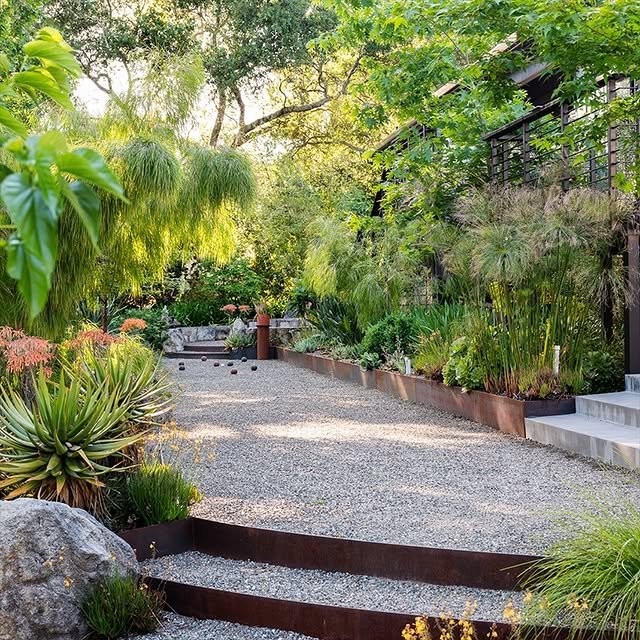
Meandering gravel pathways wind gently through a garden, creating a relaxed, informal feel that invites exploration. The loose texture of gravel contrasts beautifully with structured plantings and adds a subtle crunch underfoot, enhancing the sensory experience. These paths can curve around focal points or lead to hidden corners, softening hard edges and blending seamlessly into the landscape. Gravel pathways also offer excellent drainage, making them a practical and low-maintenance option for any garden style.
3. Vertical Garden Walls
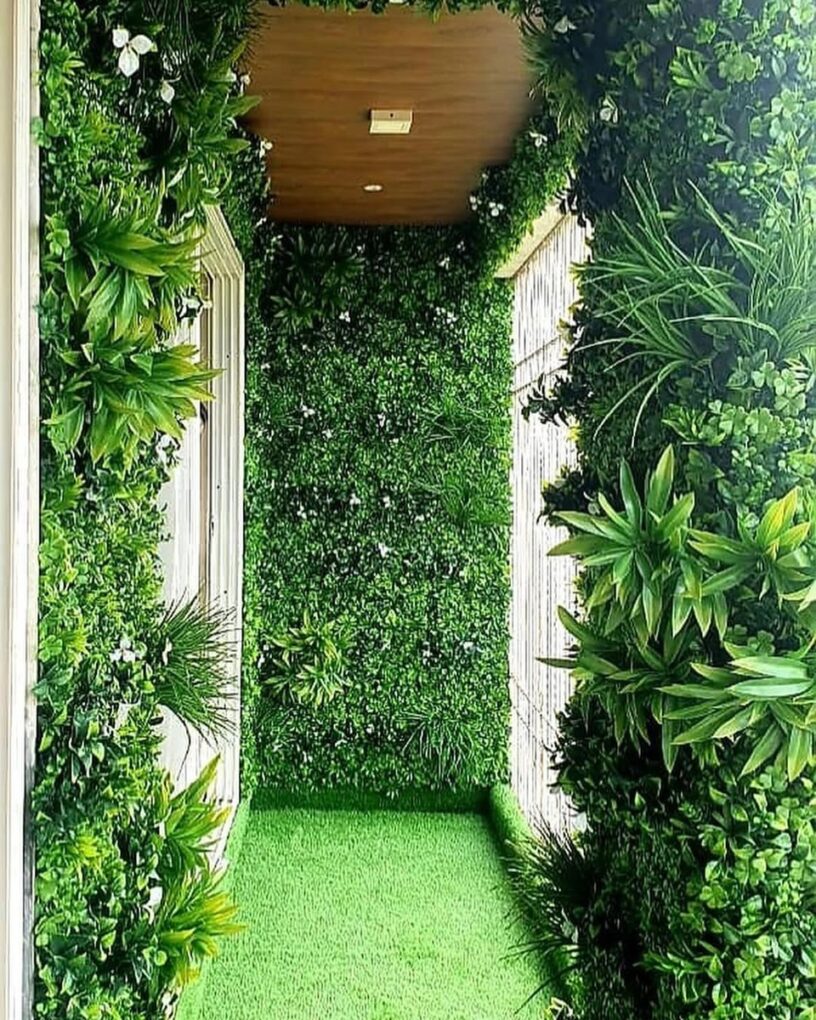
A vertical garden wall creatively brings greenery into small or underused spaces by growing plants on a vertical surface. It combines functionality with visual appeal, turning plain walls into lush, living artworks. Vertical gardens showcase a wide range of plants, including trailing vines, colorful flowers, and herbs, tailored to suit your preferred style. This design saves space, helps improve air quality, and creates a refreshing, nature-inspired atmosphere in any area.
4. Water Features
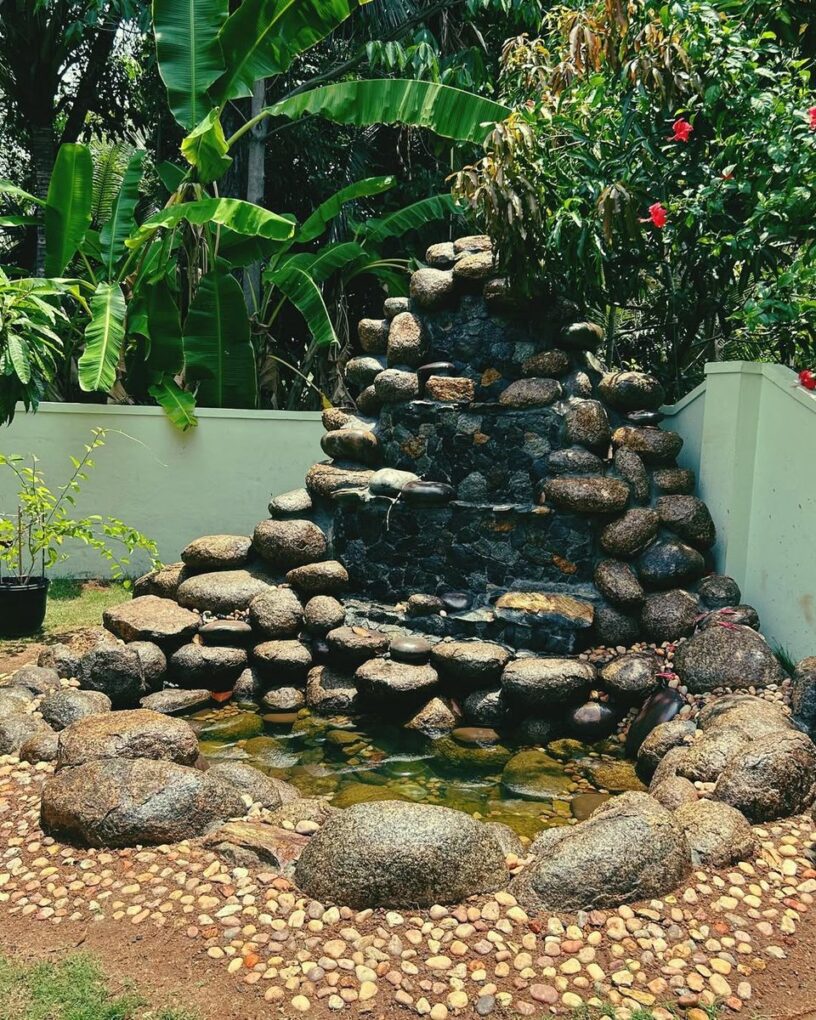
Water features bring movement, sound, and a sense of calm to outdoor spaces. Whether it’s a bubbling fountain, a trickling stream, or a reflective pond, the presence of water adds a natural, soothing element that draws the eye and soothes the senses. These elements can become a focal point in a garden while supporting local wildlife, including birds and pollinators. A well-placed water feature enhances relaxation, creating a tranquil retreat in your backyard.
5. Native Plant Gardens
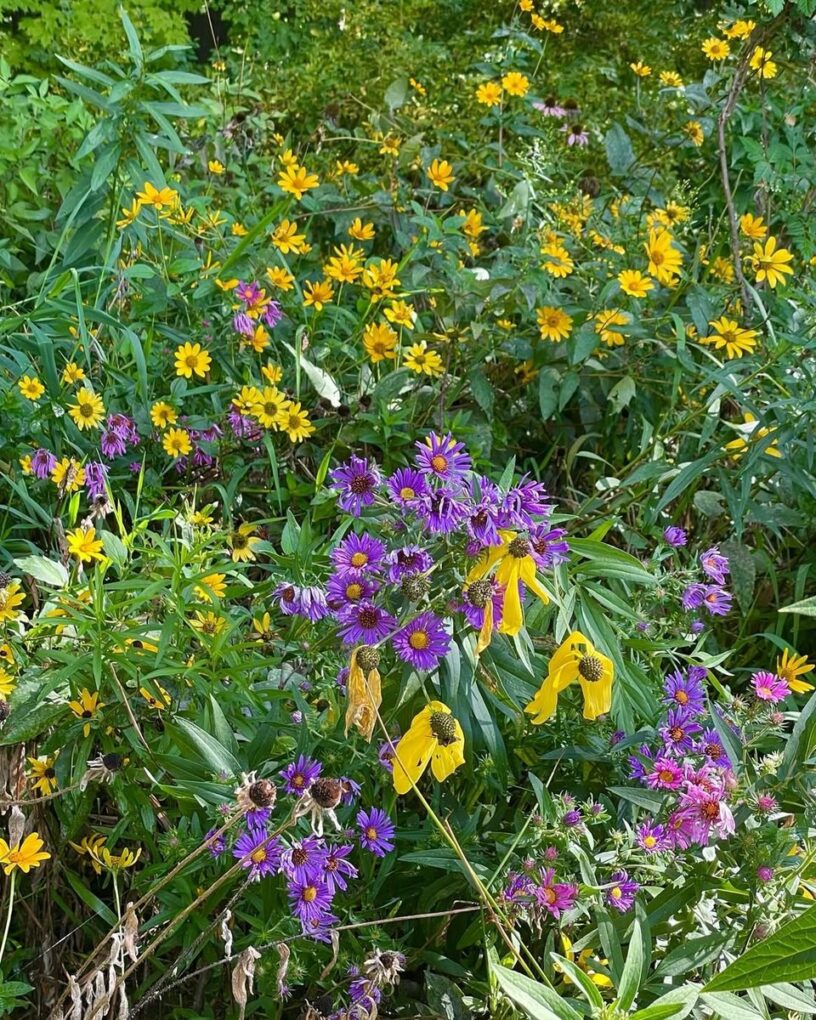
Native plant gardens embrace plants that naturally thrive in your region’s climate, soil, and conditions, creating a beautiful, low-maintenance landscape. These gardens support local wildlife, especially pollinators and birds, requiring less water and fewer chemicals than traditional gardens. Native plantings help preserve biodiversity and create a sense of place by showcasing the unique flora of your area. They’re a smart, sustainable choice that brings a natural, effortless beauty to your outdoor space.
6. Zen Garden Corners
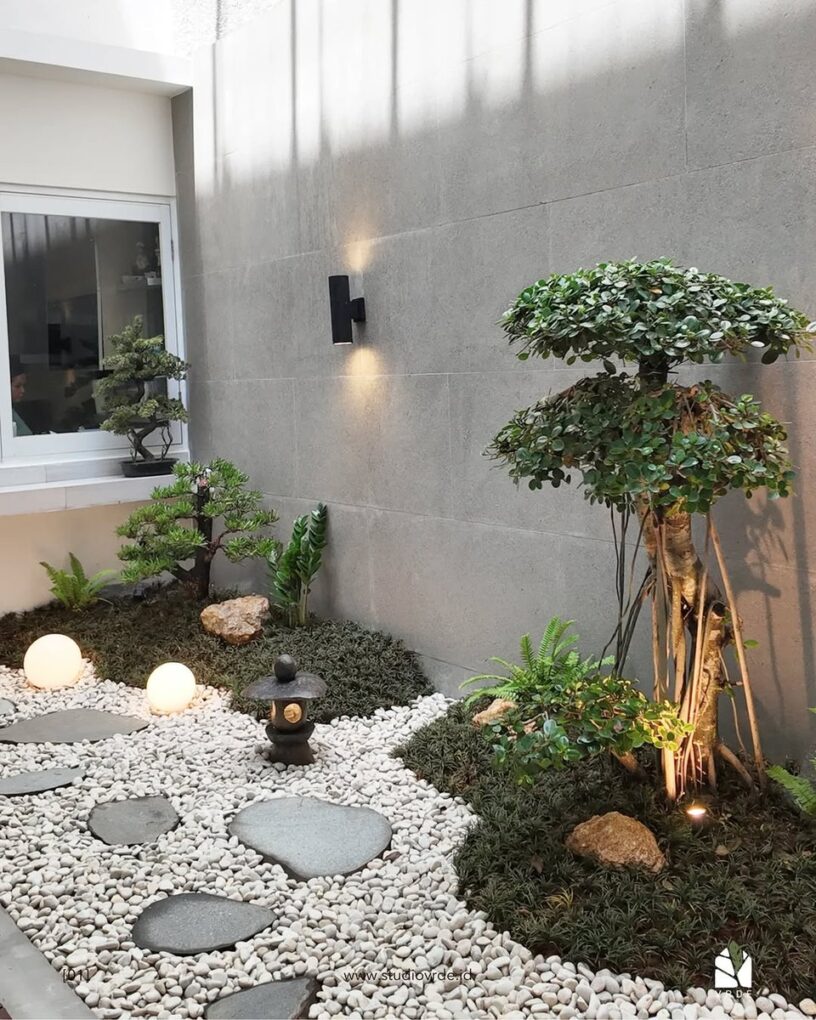
Zen garden corners create a serene, minimalist retreat within a garden, using simple elements like rocks, sand, and carefully chosen plants. These spaces invite mindfulness and reflection, offering a quiet spot to slow down and connect with nature. The balance of textures, shapes, and negative space creates a calming, open yet intentional atmosphere. A Zen corner is perfect for a peaceful escape that blends harmony and beauty.
7. Edible Landscapes
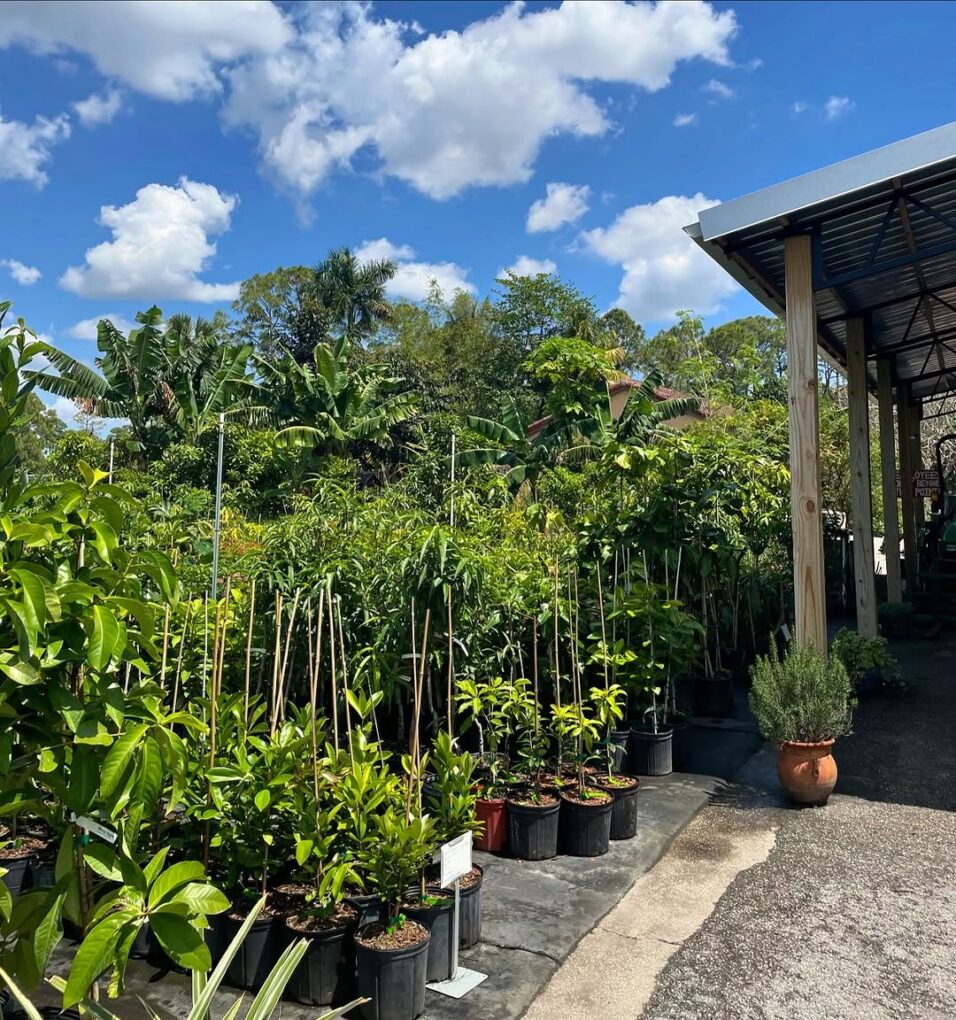
Edible landscapes blend beauty and functionality by incorporating fruits, vegetables, herbs, and edible flowers into ornamental garden designs. These gardens provide fresh, homegrown food while adding vibrant colors and textures to outdoor spaces. Mixing edible plants with traditional shrubs and perennials creates a lush, productive garden that nourishes the body and the senses. It’s a practical, sustainable approach that makes the most of every inch of your garden.
8. Pollinator-Friendly Plants
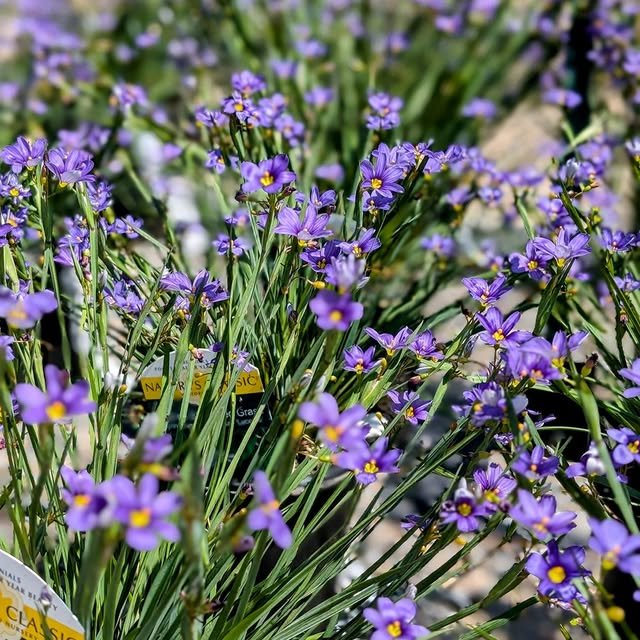
Pollinator-friendly plants offer nectar, pollen, and shelter to attract bees, butterflies, and hummingbirds. These plants—like lavender, coneflowers, and bee balm—add beauty and biodiversity to your garden while supporting the health of local ecosystems. Mixing different flower shapes and colors brings energy and biodiversity to a garden, supporting pollinators and creating a visually striking, ecologically balanced space. Pollinator-friendly plantings are a simple, impactful way to give back to nature while enjoying a vibrant, thriving outdoor space.
9. Sculptural Elements
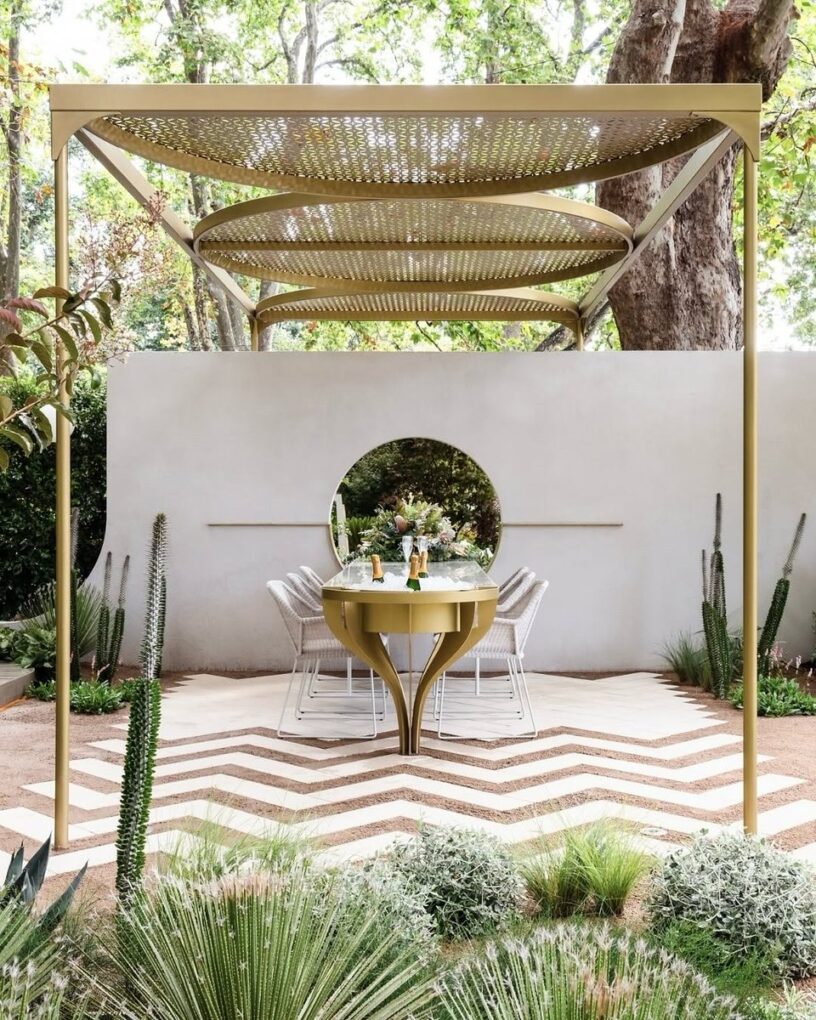
Sculptural elements in a garden introduce artful shapes and bold focal points that elevate the entire outdoor space. Whether it’s a striking metal sculpture, a carved stone, or a playful garden ornament, these features add personality, create visual interest, and reflect your style. They draw the eye, invite exploration, and add a distinctive depth and character to the garden’s overall design. Sculptural pieces can be bold and modern or soft and natural, seamlessly blending with the surrounding landscape.
10. Pergolas and Arbors
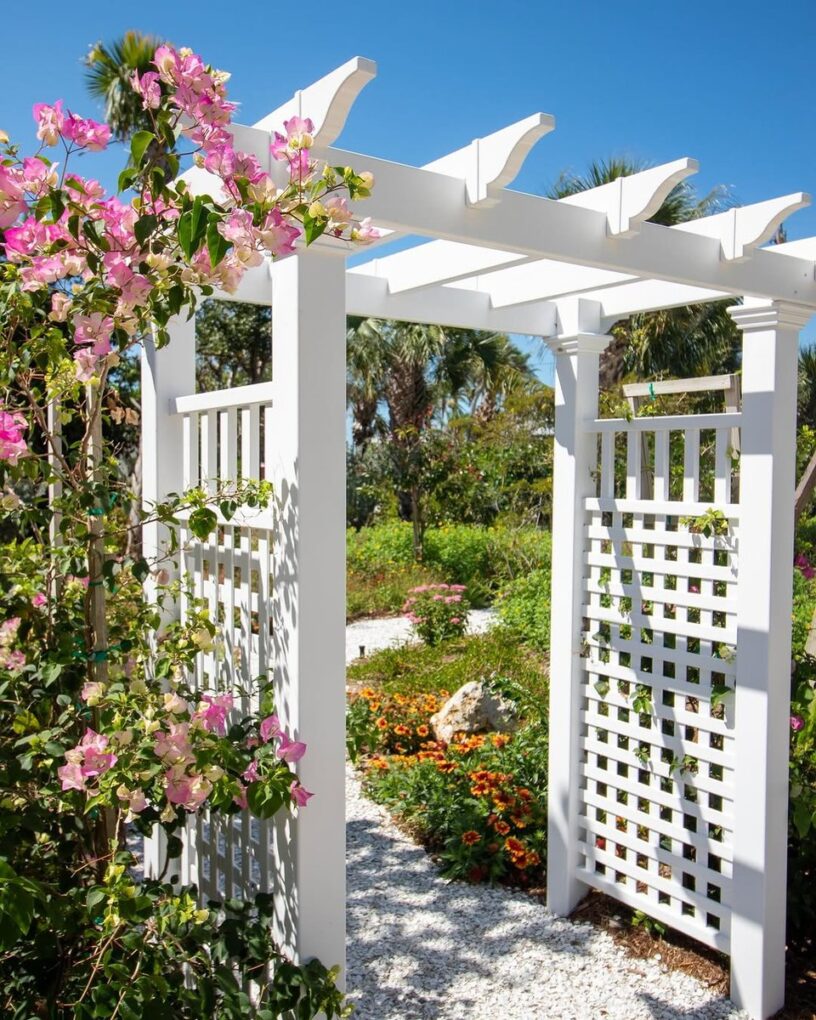
Pergolas and arbors add vertical interest and architectural charm to a garden, creating a sense of structure and intimacy. These features support climbing plants like roses, wisteria, or jasmine, adding softness and seasonal color. They also frame views, define spaces, and offer shade, making them beautiful and functional. Pergolas and arbors elevate outdoor spaces with timeless appeal, whether over a pathway or a cozy seating area.
11. Rock Gardens
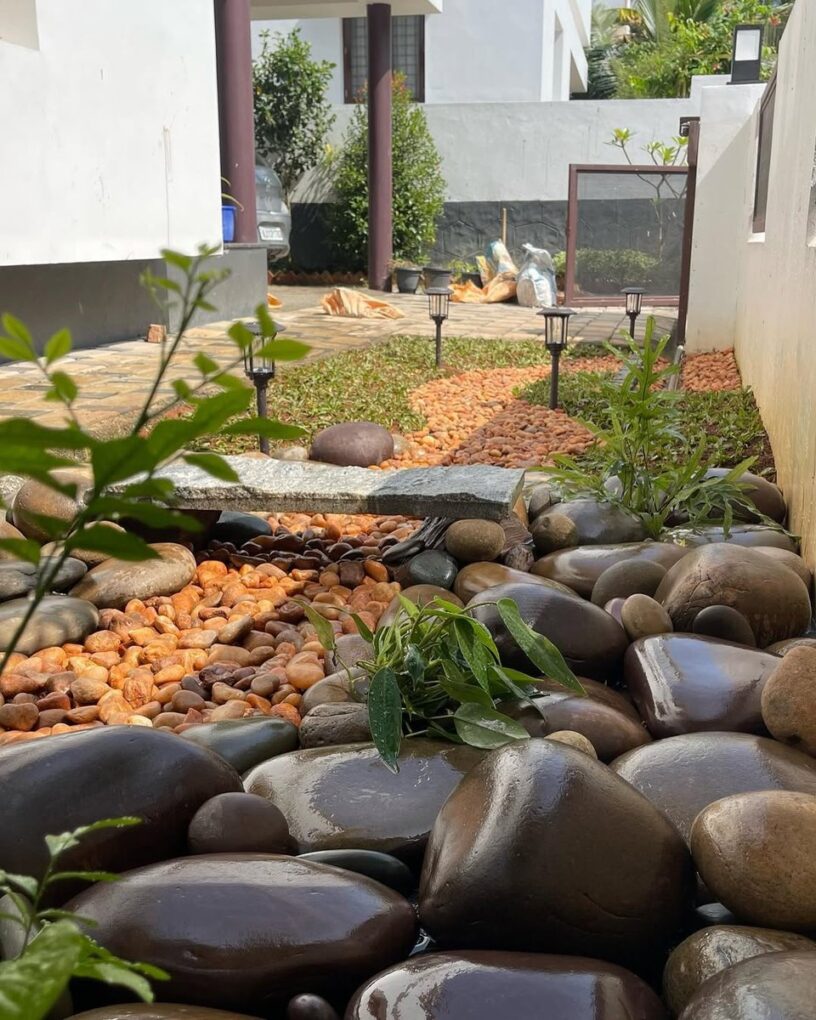
Rock gardens use stones, gravel, and drought-tolerant plants to create a low-maintenance, textured landscape that harmoniously blends natural elements. The contrast between rugged rocks and soft greenery adds depth and visual interest, while the careful placement of boulders and plants mimics the beauty of nature. Rock gardens are ideal for dry climates or sloped areas where traditional plantings may struggle, offering a peaceful, grounded look throughout the seasons.
12. Rain Gardens
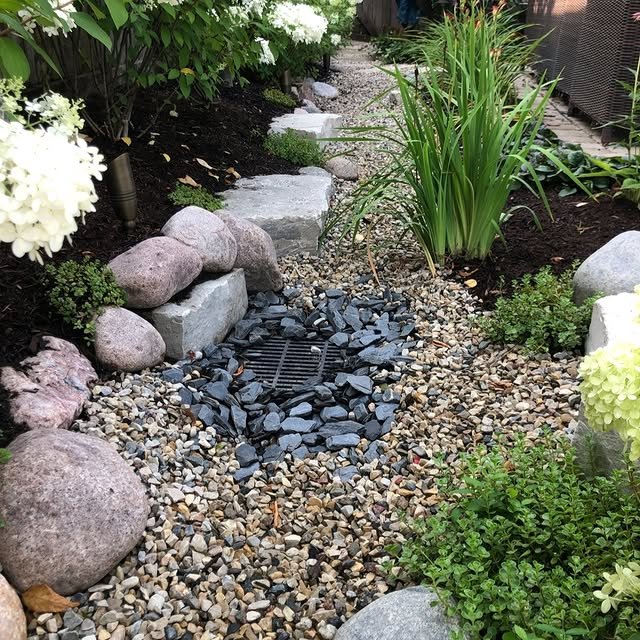
Rain gardens collect and absorb rainwater, reducing runoff and supporting native plants that thrive in wet and dry conditions. They help prevent erosion, filter pollutants, and create habitats for pollinators and wildlife. With a mix of stones, grasses, and colorful blooms, rain gardens bring a natural, layered look to the landscape while promoting sustainability. They are functional and beautiful, turning a practical solution into a lush, eco-friendly garden feature.
13. Butterfly Gardens
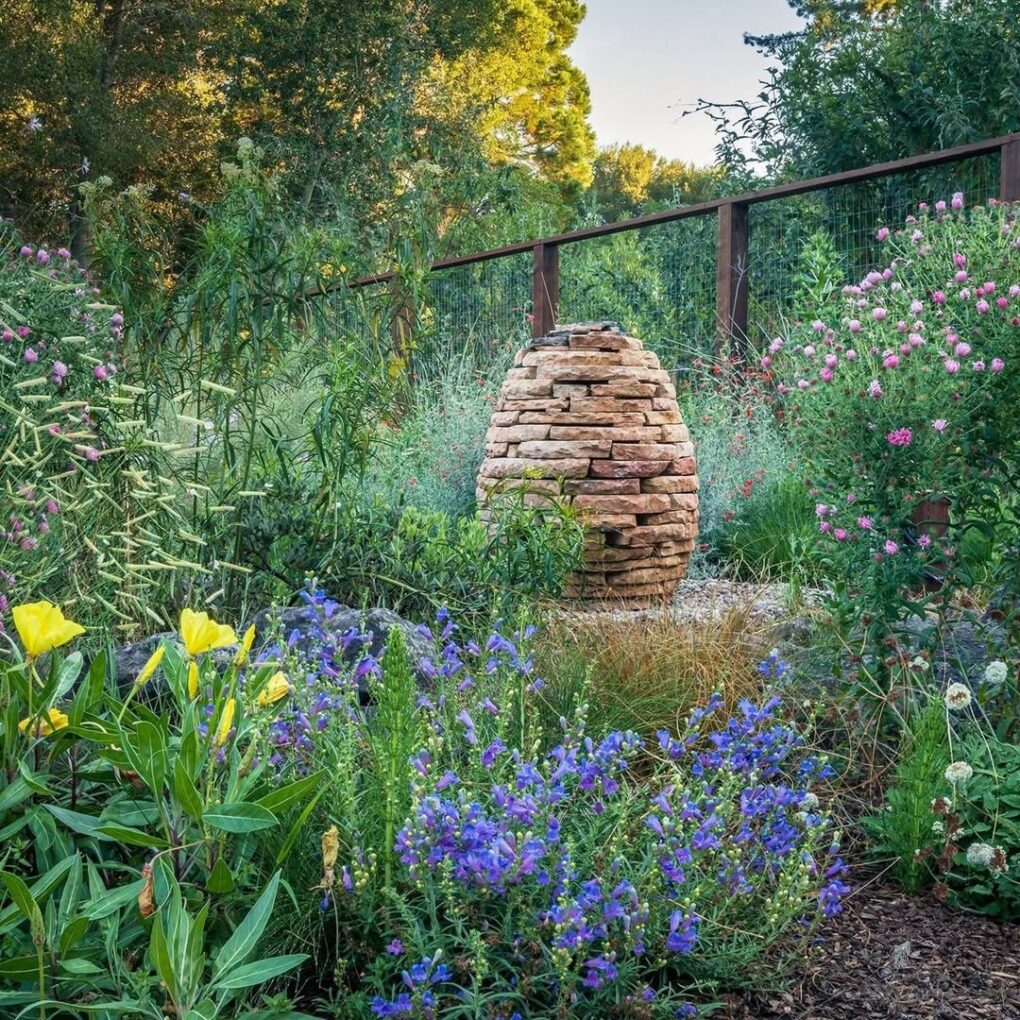
Butterfly gardens attract and support pollinators by offering a diverse mix of nectar-rich flowers and host plants. Brightly colored blooms like coneflowers, milkweed, and lantana draw in butterflies, while native grasses and shrubs provide shelter. These gardens add vibrant color and life to your outdoor space and create a haven for wildlife. A well-planned butterfly garden is a visual delight essential to supporting local ecosystems.
14. Wildflower Meadows
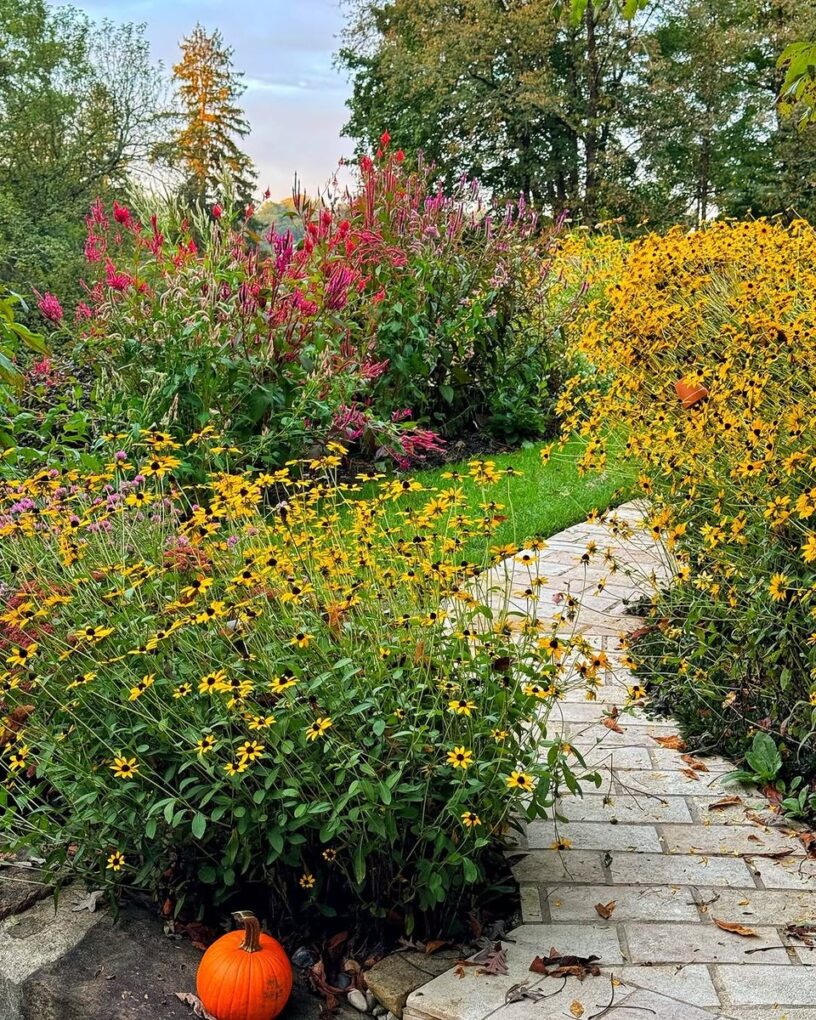
Wildflower meadows bring a natural, untamed beauty to outdoor spaces by blending colorful native flowers and grasses in a free-flowing, informal design. These meadows attract pollinators like bees, butterflies, and birds while supporting local ecosystems. With their ever-changing blooms throughout the seasons, wildflower meadows add visual interest, biodiversity, and a sense of movement and life to your garden. Plus, they’re low-maintenance, making them a sustainable and easy choice for large or small landscapes.
15. Topiary Art
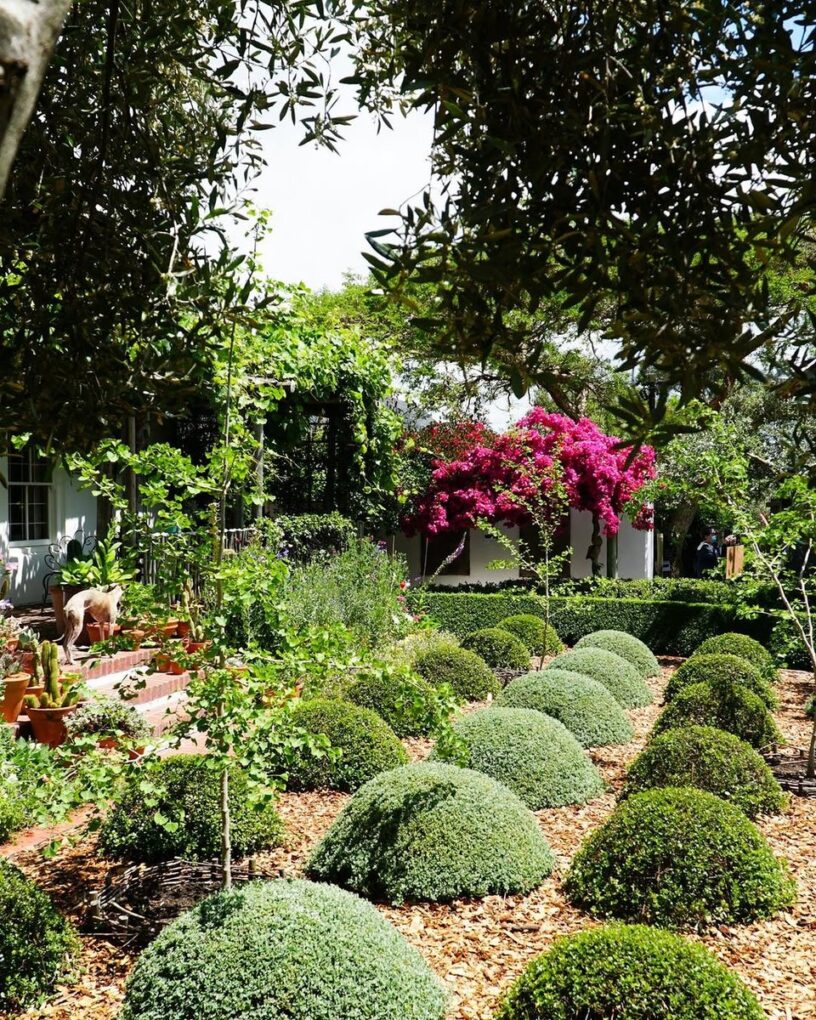
Topiary art transforms plants into living sculptures, shaping shrubs and trees into geometric forms, animals, or whimsical designs. This creative technique adds structure, formality, and a sense of playfulness to a garden, blending nature with artistry. Topiaries create strong focal points and can define pathways or frame entrances, making a bold design statement. Whether simple or elaborate, topiary brings a touch of timeless elegance and character to outdoor spaces.
16. Container Gardens
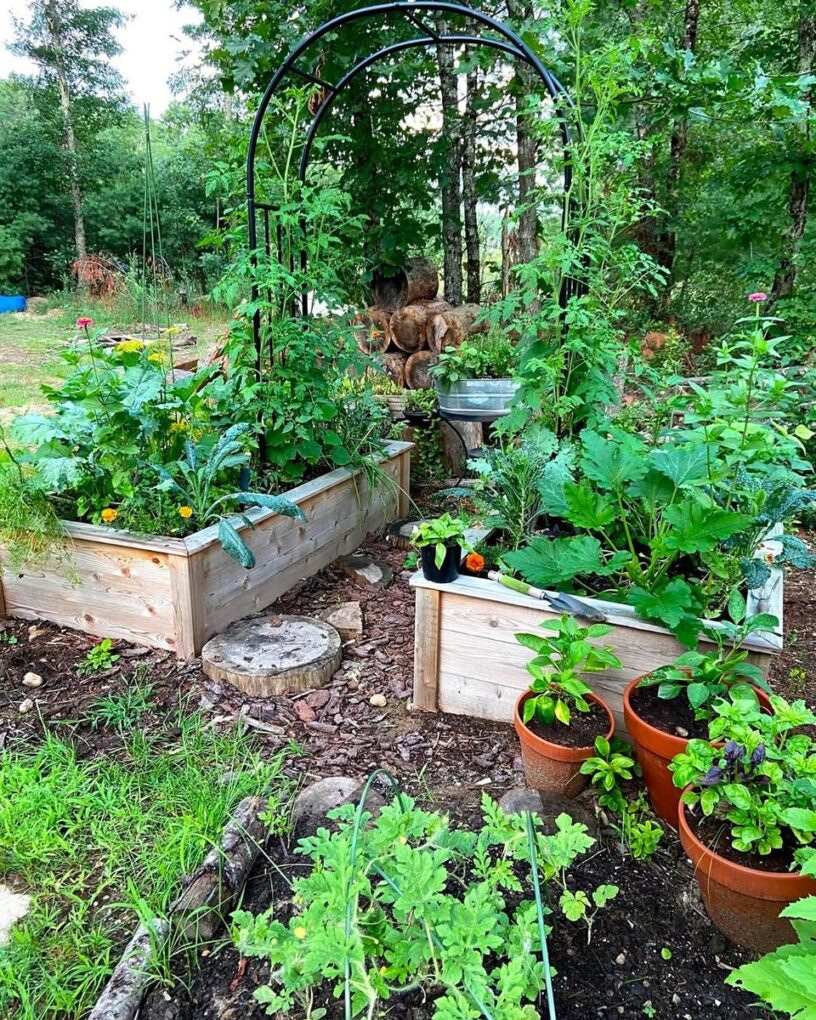
Container gardens are a versatile and practical way to bring greenery and color into any space, from patios to balconies. By grouping pots of various sizes, materials, and plants, you create a layered, dynamic look that can change with the seasons. Containers allow for flexibility—you can move them around, swap out plants, and experiment with different styles without commitment. Plus, they make gardening accessible, especially for small spaces, and provide a chance to showcase a mix of textures, colors, and shapes in a compact, manageable form.
17. Lighting Accents
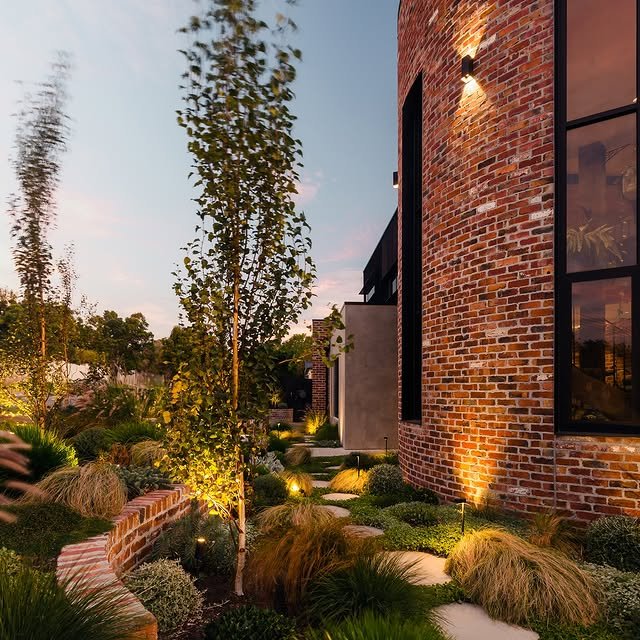
Lighting accents in a garden highlight key features, create depth, and set the mood after sunset. Soft uplighting on trees, warm string lights across a patio, or gentle path lighting transform the space into an inviting oasis that extends its usability into the evening. Thoughtfully placed lights enhance the natural beauty of plants and structures, improving safety and accessibility. With the right balance, garden lighting turns outdoor spaces into magical nighttime retreats.
18. Themed Gardens

Themed gardens bring a cohesive design vision to outdoor spaces, reflecting a specific mood, style, or cultural inspiration. Whether it’s a tranquil Japanese garden with raked gravel and bonsai, a vibrant cottage garden bursting with blooms, or a sleek modern oasis with minimalist lines, the theme guides plant choices, layout, and decor. These spaces tell a story and invite visitors into a carefully curated atmosphere that feels immersive and intentional. Themed gardens offer a sense of purpose and personality, making every visit feel like a unique experience.
19. Privacy Hedges
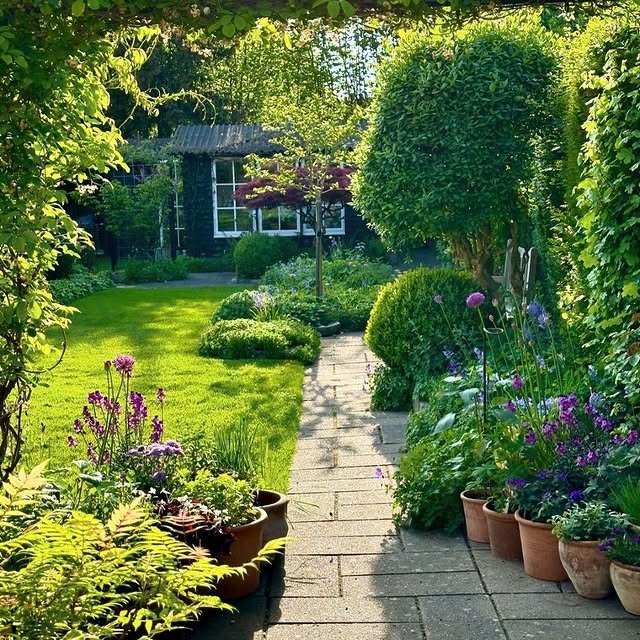
Privacy hedges create natural, living barriers that define outdoor spaces and shield them from prying eyes. They add a lush, green backdrop to the garden while softening hard edges and structures. With their dense foliage, hedges like boxwood, laurel, or privet provide year-round coverage, making them a practical and beautiful solution for creating seclusion. Beyond function, they also enhance the garden’s aesthetic, offering a sense of calm and enclosure.
20. Terraced Slopes
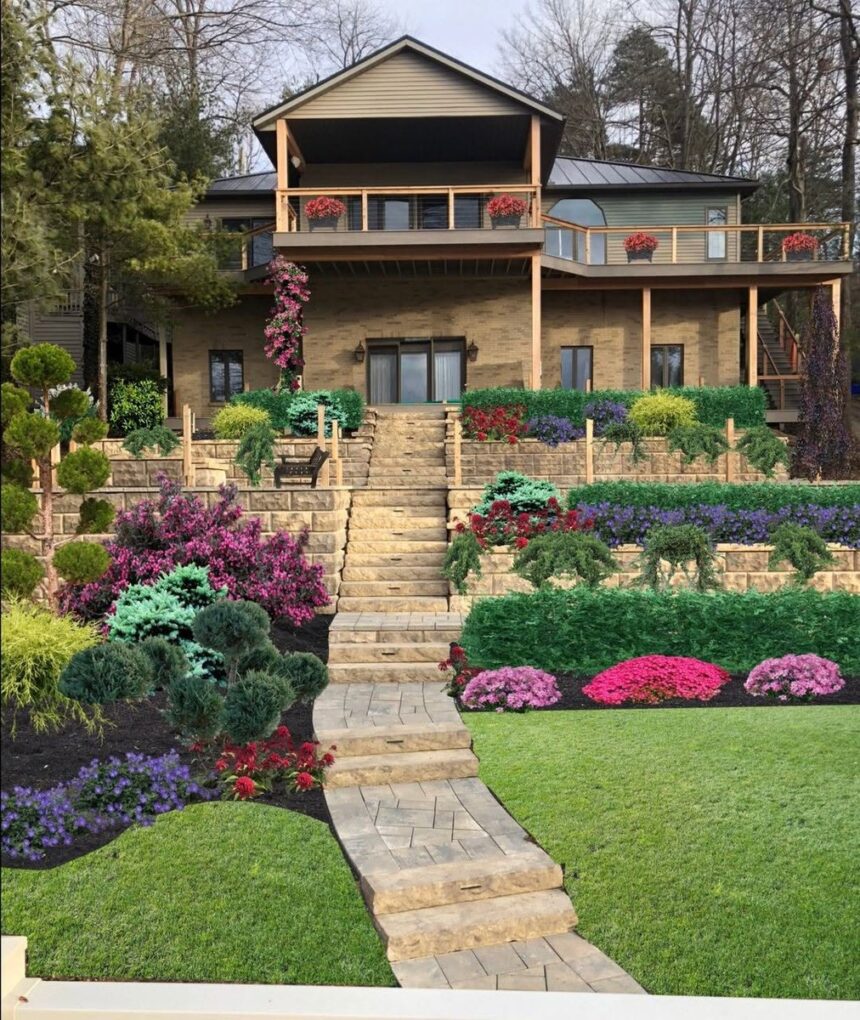
Terraced slopes turn challenging, uneven terrain into beautiful, functional garden spaces by creating a series of stepped levels. These terraces prevent erosion, improve drainage, and make planting areas more accessible, all while adding depth and visual interest to the landscape. Each level can feature different plants, textures, and focal points, transforming a steep slope into a stunning, multi-dimensional garden. Terracing is an innovative design strategy that maximizes space and makes hilly gardens practical and eye-catching.
21. Bird-Friendly Features
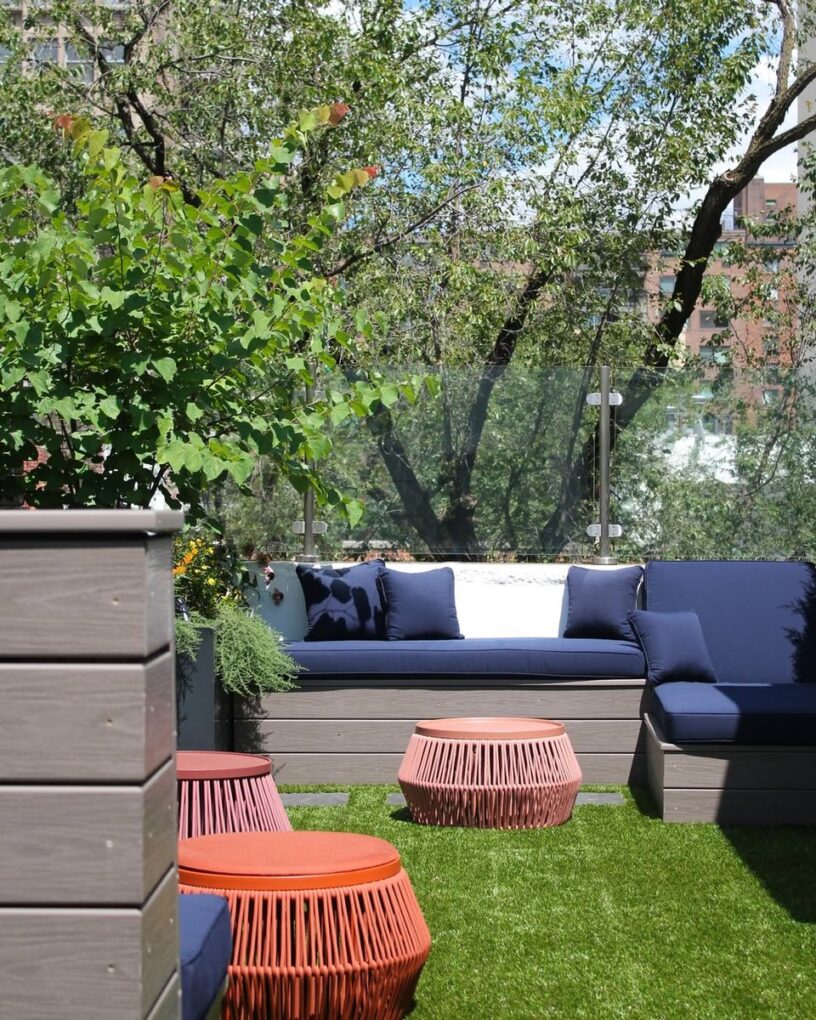
Bird-friendly features create a welcoming bird habitat by providing food, water, shelter, and nesting spots. They include planting native trees, shrubs, and flowers that produce berries, seeds, and nectar, and adding birdbaths, feeders, and houses. By supporting local bird species, these features enhance biodiversity and bring life and movement to the garden. A bird-friendly garden becomes a peaceful sanctuary where nature and beauty unite, enriching the outdoor experience.